 Insurance Curator
Losing your job or facing a major crisis can feel like the ground has disappeared beneath your feet. Your emergency fund, which once stood as a financial safety net, has been drained to cover rent, groceries, and unexpected medical bills.
You are not alone. The emotional weight is heavy, but rebuilding your emergency fund is entirely possible with a structured plan. This deep-dive guide walks you through every step of the recovery process, from assessing your current situation to automating your savings again. We will explore real budgeting tools that make the journey easier and share expert strategies to help you regain stability faster.
Why Rebuilding Your Emergency Fund Is a Non-Negotiable Priority
An emergency fund is your personal buffer against life’s unpredictability. After a job loss or crisis, that buffer is gone. Without it, even a minor set back — like a car repair or a medical copay — can force you into debt.
Rebuilding is not about living in fear of the next disaster. It is about reclaiming control over your finances and protecting your peace of mind. Every dollar you save reduces the likelihood of using high-interest credit cards or payday loans when the unexpected strikes again.
Key insight: According to a 2023 Federal Reserve report, 37% of U.S. adults would struggle to cover a $400 emergency expense. Rebuilding your fund means you are part of the resilient minority.
Step 1: Take Stock of Your Current Financial Reality
Before you can rebuild, you need an honest snapshot of where you stand. This is not the time for wishful thinking — clarity is your foundation.
Calculate Your Net Burn Rate
List every monthly expense: rent or mortgage, utilities, groceries, insurance, transportation, debt payments, and any discretionary spending. Subtract your current income (if any) from these expenses. The result is your monthly net burn rate — how fast your remaining savings are disappearing.
| Expense Category | Monthly Amount |
|---|---|
| Housing | $1,200 |
| Utilities | $250 |
| Food | $400 |
| Transport | $150 |
| Insurance | $200 |
| Debt payments | $300 |
| Total | $2,500 |
If your income is $0, your burn rate is $2,500 per month. This number tells you exactly how many months your current savings will last (divide savings by burn rate). It also becomes your target for reducing expenses and setting a realistic savings goal.
Identify the “Essential Only” Version of Your Budget
Your crisis budget should be lean. Cut all non-essential subscriptions, dining out, entertainment, and shopping. This is temporary — not permanent deprivation. Every dollar saved here accelerates your rebuild.
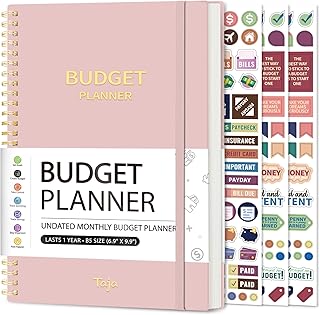
Use a budget planner to track your reduced expenses. A tool like the Budget Planner – Monthly Budget Book with Expense Tracker Notebook, Undated Bill Organizer & Finance Planner to Take Control of Your Money ($8.99, Rating 4.6) provides a physical structure to monitor every outflow. Writing down transactions reinforces mindfulness and prevents overspending.
Step 2: Generate Immediate Income — Even Small Amounts Help
Rebuilding an emergency fund after a job loss requires cash flow. While you search for a new full-time role, seek short-term income streams.
- Freelance work: Platforms like Upwork or Fiverr can bring in money within days.
- Gig economy: Driving, delivery, or dog walking may not be glamorous, but they pay.
- Selling unused items: Electronics, furniture, clothing — turn clutter into cash.
- Part-time retail or temp work: Even 20 hours a week at minimum wage can cover essential expenses.
Every dollar earned reduces the stress on your emergency fund and gives you a head start on rebuilding.
Step 3: Set a Realistic and Motivation-Preserving Savings Goal
Your first goal should not be the standard 3–6 months of expenses. That is overwhelming when you are starting from zero. Instead, aim for a micro emergency fund of $500–$1,000 first.
Once you hit that target, extend to 1 month of essential expenses. Then 2 months. Finally, aim for 3–6 months after you have stable income again.
For a deeper understanding of different fund sizes, read our guide on Micro Emergency Funds: a Starter Safety Net for People Living Paycheck to Paycheck.
Expert tip: Psychologically, hitting small milestones releases dopamine. Celebrate each one — it reinforces the habit of saving.
Step 4: Choose the Right Tools to Track and Manage Your Rebuild
Paper-based budgeting systems work exceptionally well during crisis recovery because they make every transaction tangible.
Product Deep Dive: Budget Binders
Two excellent options are the NICOOTH Budget Binder Cash Envelopes A6 Money Saving Binder with Zipper envelopes (Purple) ($6.28, Rating 4.6) and the SKYDUE Budget Binder, Money Saving Binder with Zipper Envelopes, Cash Envelopes and Expense Budget Sheets for Budgeting ($8.98, Rating 4.7).


Cash envelopes force you to spend only what you physically have. When the envelope is empty, you stop spending in that category. This method is especially powerful during a rebuild because it prevents the temptation to overspend using a debit card.
The Budget Planner in black is another option if you prefer a notebook-style tracker: Budget Planner – Monthly Budget Book with Expense Tracker Notebook, Undated Bill Organizer & Finance Planner to Take Control of Your Money, Account Book to Manage Your Finances-Black ($8.99, Rating 4.6).
Digital vs. Paper
If you prefer digital, apps like YNAB (You Need A Budget) or Mint work well. However, many financial therapists recommend paper-based tracking for the first 60 days after a crisis because it creates a stronger emotional connection to your money.
For a broad foundation on budgeting principles, the book Budgeting 101: From Getting Out of Debt and Tracking Expenses to Setting Financial Goals and Building Your Savings ($9.69, Rating 4.6) is a valuable resource. It covers everything from zero-based budgeting to envelope systems.

Step 5: Where to Park Your Rebuilt Fund for Quick Access and No Fees
After a job loss, liquidity is king. You need money that you can access instantly without penalties. The best places are:
- High-yield savings accounts (HYSA): Currently offering 4–5% APY. Completely liquid and FDIC-insured.
- Money market accounts: Often come with a debit card and check-writing abilities.
- No-penalty CDs: Slightly higher rates than HYSA, but you can withdraw early without fees.
Avoid locking your emergency fund in a long-term CD or investing it in the stock market during the rebuild phase. You need stability, not growth.
For a detailed comparison of account types, see our article on Where to Keep Your Emergency Fund: Best Accounts for Safety and Access?.
Step 6: Automate Once You Have Inconsistent Income — Yes, You Can
You may think automation is only for people with steady paychecks. But even with freelance or gig income, you can set up automatic transfers.
When you receive a payment, immediately send a fixed percentage (say 5–10%) to your emergency savings account before you can spend it. Treat this transfer like a non-negotiable bill.
If your income fluctuates wildly, adopt the “set and adjust” method: review your income weekly and transfer a safe amount. Over time, you will develop an instinct for how much you can reliably save.
Step 7: Protect Your Rebuild from the Most Common Sabotage Triggers
Three behaviors hurt emergency fund rebuilding the most:
- Lifestyle creep: Once you land a new job, resist the urge to immediately upgrade your life. Keep the crisis budget for at least 3 months after your first new paycheck.
- “Just this once” spending: That one coffee or takeout meal becomes a habit. Use cash envelopes to keep yourself honest.
- Ignoring irregular expenses: Car registration, annual insurance premiums, and holiday gifts sneak up. Plan for them in your budget so they do not drain your fund.
To learn more about when it is appropriate to dip into your emergency savings, read Using Your Emergency Fund the Right Way: When to Tap It and When Not To.
Step 8: Adjust Your Fund Target for Dual-Income or Unstable Income Scenarios
If you are part of a dual-income household, your rebuild strategy may differ. Both partners should contribute proportionally. Consider building a two-tier fund: one month of expenses in an easily accessible account, then three more months in a slightly higher-yield account.
For freelancers and gig workers, your emergency fund should be larger — six to nine months of expenses — because income dips can last longer. We cover this specifically in Emergency Funds for Freelancers and Gig Workers with Unstable Income.
Table: Rebuild Timeline Example (Single Individual, $2,500 Monthly Burn Rate)
| Month | Income | Savings Contribution | Total Fund Balance |
|---|---|---|---|
| 1 | $1,500 (gig) | $100 | $100 |
| 2 | $2,000 (part-time) | $200 | $300 |
| 3 | $3,000 (new full-time) | $500 | $800 |
| 4 | $3,500 (full-time) | $700 | $1,500 |
| 5 | $4,000 (full-time) | $1,000 | $2,500 |
| 6 | $4,000 | $1,000 | $3,500 |
This demonstrates that within 6 months of regaining stable income, you can rebuild a solid 1-month emergency fund.
The Role of Inflation in Your Rebuild
Inflation makes every dollar worth less over time. If your emergency fund sits in a 0.01% checking account, its purchasing power erodes. That is why a high-yield savings account is non-negotiable.
During a rebuild, however, do not chase yield. Safety and liquidity are paramount. Once your fund reaches 3 months of expenses, you can consider a CD ladder to earn slightly more without locking up all your money.
For more insights, read How Inflation Affects Your Emergency Fund and What to Do About It.
Maintaining Motivation When Progress Feels Slow
Saving $50 per week does not feel exciting. But over one year, that is $2,600 — enough to cover a medical deductible or a month of rent.
Track your progress visually. A budget binder allows you to see your savings grow. Color in a chart each time you hit a milestone. The act of visualizing progress keeps you committed.
Also, connect your savings to a deeper purpose. This fund is not just money — it is freedom from panic. Every dollar saved gives you more breathing room in the next crisis.
When to Rebalance Your Priorities
Rebuilding an emergency fund should take precedence over investing, paying down low-interest debt (like student loans), or saving for a vacation. The only exception is high-interest credit card debt: if you are paying 20%+ interest, focus on paying that down first, because it is costing you more than the savings can earn.
Once your emergency fund is fully rebuilt at 3–6 months of expenses, you can shift focus to retirement, debt reduction, and other financial goals. But do not start those until the safety net is back in place.
To understand the distinction between saving for emergencies and saving for goals, see Emergency Fund vs. Savings for Goals: How to Separate and Prioritize.
Final Thoughts: You Can and Will Rebuild
A job loss or crisis is not the end of your financial story. It is a painful chapter, but one that can teach you incredible resilience. The discipline you develop during this rebuild will serve you for life.
Start with a clear picture of your expenses, use a tangible budgeting tool like the SKYDUE Budget Binder to stay accountable, and celebrate every milestone. Before you know it, your emergency fund will be stronger than ever.
Frequently Asked Questions
How much should I aim to save each month when rebuilding after a job loss?
Start with whatever you can consistently set aside — even $20 per week. The goal is to build the habit. Once you have stable income, aim for 10–20% of your net income until you reach your target fund size.
Should I use my credit card while rebuilding my emergency fund?
Only if you can pay it off in full every month. Credit card interest will sabotage your rebuild. If you must use credit for emergencies, pay it off as soon as possible with your next income.
Can I invest my emergency fund while rebuilding?
No. During the rebuild phase, keep all savings in a liquid, FDIC-insured account. Investing your emergency fund risks losing principal when you need it most.
How do I handle a new job starting before I rebuilt my fund?
Immediately redirect a portion of your first few paychecks to the emergency fund before spending on anything else. Maintain the crisis budget for at least 3 months.
What if I have debt and no emergency fund? Which comes first?
Pay minimums on all debts, then build a $1,000 micro emergency fund. After that, aggressively pay down high-interest debt while contributing a small amount to savings. This balanced approach prevents further crises.