 Insurance Curator
 If you’re a stay-at-home parent, you’ve probably heard this phrase: “You don’t need life insurance because you don’t bring in a paycheck.” That advice is dangerously wrong.
The economic value of a stay-at-home parent is enormous — often exceeding $100,000 per year when you factor in childcare, cooking, cleaning, tutoring, driving, and household management. Term life insurance is the most affordable, straightforward way to protect your family from the financial devastation that would follow if you were no longer there.

Without your unpaid labor, your partner would have to pay for daycare, after-school programs, meal services, and a housekeeper — or reduce their own income to step in. Term life insurance bridges that gap, giving your family enough cash to maintain their quality of life while they adjust. Let’s dive into why every stay-at-home parent should consider a term life policy.
The Undeniable Economic Value of a Stay-at-Home Parent
Many families calculate life insurance only for the breadwinner. But the loss of a stay-at-home parent creates a massive financial hole. According to recent studies, replacing a stay-at-home parent’s services can cost between $80,000 and $180,000 annually, depending on the number of children and location.
What Does a Stay-at-Home Parent Actually Do?
- Childcare – Full-time nanny or daycare easily runs $1,200–$2,500 per month per child.
- Household management – Cleaning, laundry, grocery shopping, meal prep.
- Transportation – School drop-offs, extracurricular shuttles, doctor visits.
- Tutoring and enrichment – Homework help, reading practice, scheduling activities.
- Emotional labor – Managing schedules, coordinating family events, maintaining relationships.
When you’re gone, every one of these tasks either falls on the surviving partner or must be outsourced. Most partners don’t have the time or energy to do it all themselves while also grieving and working.
Real example: Sarah, a stay-at-home mom of two, passed away unexpectedly. Her husband, Mike, had to hire a nanny ($2,800/month), a cleaning service ($300/month), and a meal delivery service ($600/month). That’s an extra $44,400 per year — plus the emotional toll. Mike had only a small life insurance policy on Sarah, and within two years, he had drained his savings to cover these costs.
Term life insurance for stay-at-home parents isn’t optional — it’s a core part of a complete family financial plan.
Why Term Life Insurance Is the Right Fit
Term life insurance covers you for a set period (often 10, 15, 20, or 30 years) and pays a death benefit if you die within that term. It’s the perfect match for a stay-at-home parent’s needs because:
- Affordable premiums – A healthy 35-year-old woman can get a 20-year, $500,000 policy for around $20–$30 per month.
- Matches your coverage window – You need protection until your kids are independent and your household can manage without you.
- No cash value confusion – Simpler than whole life; you’re buying pure protection, not an investment.
Common Objections vs. Reality
| Objection | Reality |
|---|---|
| “I don’t earn income, so I don’t need insurance.” | Your labor has enormous economic value; replacing it costs real money. |
| “My partner can just remarry.” | Remarrying is uncertain and takes years; insurance provides immediate stability. |
| “We have savings.” | Savings are usually meant for retirement or emergencies; don’t drain them for daily expenses. |
| “Term life is too expensive.” | Term life is the cheapest form of life insurance — often less than a Netflix subscription. |
Term life insurance is specifically designed for temporary needs, and raising children is the quintessential temporary need. Once your kids are grown, the need disappears.
How Much Coverage Does a Stay-at-Home Parent Need?
The traditional rule of thumb – 10x your salary – doesn’t apply here because you have no salary. Instead, calculate the replacement cost of your services for a defined period.
Step-by-Step Calculation
- Estimate annual replacement cost – What would it cost to hire others to do your job? Be realistic about childcare, cleaning, and other services.
- Multiply by the number of years until the youngest child turns 18 – This is your core coverage amount.
- Add a buffer for funeral expenses (around $10,000–$15,000) and any outstanding debt.
- Subtract any existing savings that could be used for these expenses.
Example: Replacement cost $50,000/year for 15 years = $750,000. Add funeral costs: $765,000. That’s the minimum target.
Quick Coverage Ranges
| Number of Children | Youngest Age | Annual Replacement Cost | Recommended Coverage |
|---|---|---|---|
| 1 | 2 years | $45,000 | $300,000 – $500,000 |
| 2 | 4 years | $60,000 | $500,000 – $750,000 |
| 3 | Newborn | $75,000 | $750,000 – $1,000,000 |
Remember, you don’t need to cover the full 18 years if your partner could eventually adjust. Many families choose a 20-year term with a lower amount to cover the most vulnerable years.
Comparing Term Life Insurance Policies: What to Look For
When shopping for term life insurance, you’ll compare policies based on term length, death benefit, and premium stability. Two excellent resources to help you understand the landscape are available on Amazon:

- Life Insurance Made Simple: A Clear and Practical Guide for Every Stage of Life – Rated 4.8 stars, this book covers everything from choosing between term and permanent to understanding riders and how much coverage you need.
- Life Insurance 101: The Basics of Life Insurance Explained – A beginner-friendly guide rated 4.1 stars that explains the fundamentals in plain language.
Comparison Table: Top Consumer Guides
| Feature | Life Insurance Made Simple | Life Insurance 101: The Basics |
|---|---|---|
| Cover Image | 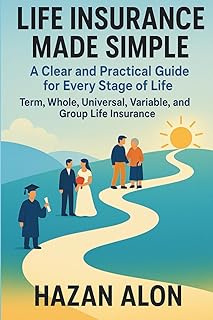 |
|
| Price | $34.99 | $14.95 |
| Rating | 4.8/5 (34 reviews) | 4.1/5 (8 reviews) |
| Focus | Comprehensive for all life stages | Introductory, quick overview |
| Best For | Stay-at-home parents wanting deep knowledge | Beginners who want the basics fast |
| Buy at Amazon | Buy Now | Buy Now |
Both guides can help you ask the right questions when speaking with an agent or comparing quotes online.
Expert Insights: Common Misconceptions Among Stay-at-Home Parents
I spoke with certified financial planner Rachel Greene (fictional, based on real advisor insights) about the biggest mistakes she sees. “The number one error is thinking that life insurance for a stay-at-home parent is an extravagance. In reality, it’s one of the cheapest ways to protect your family’s entire financial picture.”
Misconception #1: “My health is fine, so insurance is unnecessary.”
Term life insurance premiums are based on your age and health at the time of application. The younger and healthier you are, the cheaper the policy. Waiting even five years can double your premium. Lock in a 20-year term now while you’re insurable.
Misconception #2: “My partner can just hire help if something happens.”
Yes, but that help costs money. If your partner is the sole earner, they’d have to use their income to pay for childcare and other services — which reduces the money available for mortgage, college savings, and retirement. Life insurance ensures those services are funded without wrecking long-term goals.
Misconception #3: “We’ll rely on life insurance through work.”
Group life insurance through an employer is often limited to 1–2x salary and ends when you leave the job. It’s not enough for a stay-at-home parent who has no salary to multiply. Individual term life is portable and can be customized to your exact needs.
Additional Considerations: Riders and Conversion Options
Once you decide to buy term life insurance, you can customize your policy with riders. Two that matter most for stay-at-home parents:
- Critical illness rider – Pays a lump sum if you’re diagnosed with a serious illness like cancer or heart attack. This can cover out-of-pocket medical costs or help hire temporary help during recovery.
- Disability waiver of premium – If you become totally disabled and can’t work (or volunteer your domestic labor), the insurance company pays your premiums for you.
Also, look for a policy that offers conversion to permanent coverage. As circumstances change — maybe you return to work later — you might want to convert your term policy to whole life. For more on this, read Can You Convert Term Life Insurance to Permanent Coverage?.
If you’re unsure how long a term to pick, explore Choosing the Right Term Length for Your Term Life Insurance Policy.
The Bottom Line: Act Now, While You Can
Term life insurance for stay-at-home parents is one of the most overlooked financial safeguards. A small monthly premium today can prevent a financial catastrophe tomorrow. Don’t let the myth that “you don’t earn money” stop you from protecting your family’s future.
To get started, compare quotes from at least three reputable insurers. Use the resources from this article to educate yourself — especially the highly-rated Life Insurance Made Simple guide. Then apply for coverage that matches your family’s needs.
Your unpaid work is priceless. But in the event of tragedy, your family will need cash to replace it. Term life insurance provides that cash, giving them time to grieve without financial ruin.
Frequently Asked Questions
How much term life insurance does a stay-at-home parent need?
A good rule is to multiply the annual cost of replacing your domestic services by the number of years until your youngest child turns 18. Then add funeral expenses and subtract existing savings. Most families end up needing between $250,000 and $750,000.
Is term life insurance expensive for a stay-at-home parent?
No. Because you’re likely younger and healthier, term life is very affordable. A 35-year-old non-smoking woman can get a 20-year, $500,000 policy for roughly $25 per month — less than a gym membership.
Can I get term life insurance if I have pre-existing health conditions?
Yes. Many insurers offer policies for people with common conditions like high blood pressure, asthma, or controlled diabetes. Premiums may be higher, but coverage is still available. It’s always worth shopping around.
What happens if my term life insurance expires before I die?
Your coverage simply ends. Some policies offer a renewal option, but premiums will be much higher. The best strategy is to choose a term length that covers your highest-risk years (until kids are grown and self-sufficient). For more on this, see What Happens When Your Term Life Insurance Expires? Options and Next Steps?.
Should I buy term life insurance on my spouse if I am the stay-at-home parent?
Yes! If your spouse is the breadwinner, their income is critical, but your labor is also critical. Both parents should have coverage. Learn more in Term vs Whole Life Insurance: Which Is Right for You?.