 Insurance Curator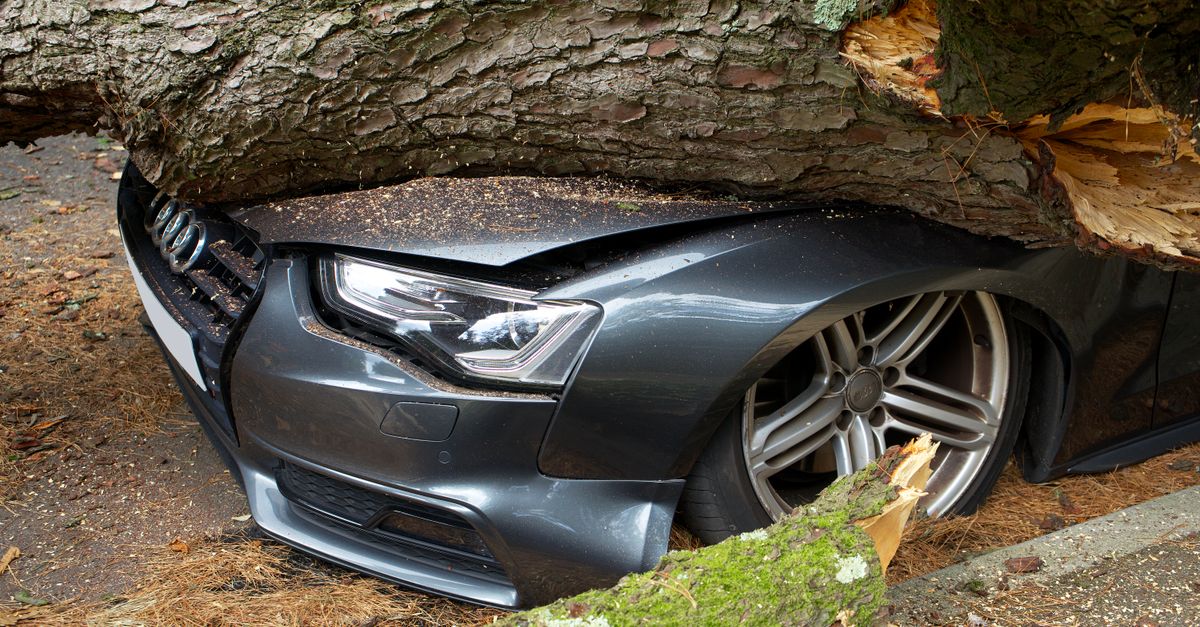
Understanding auto insurance coverage can feel like deciphering a foreign language. Between liability, collision, comprehensive, deductibles, and state minimums, it’s easy to wonder whether you’re truly protected or just paying for peace of mind. This guide will walk you through the core building blocks of a car insurance policy in plain English, so you can make confident, informed decisions about your coverage.
Understanding Auto Insurance Coverage: The Basics
When you buy car insurance, you’re not purchasing a single product. You’re assembling a package of coverages, each designed to protect you in a specific situation.
This is where many drivers get confused, and it’s no surprise. The insurance industry has its own vocabulary, and policy documents are rarely written with the average driver in mind. But once you understand the main categories, the whole picture becomes much clearer.
At the most basic level, auto insurance coverage breaks down into three main categories:
- Liability coverage, which protects others when you cause an accident
- Collision coverage, which repairs your own vehicle after a crash
- Comprehensive coverage, which handles damage from non-collision events
We’ll explore each of these in detail, along with the optional extras that can make a real difference when life throws a curveball.
Liability Coverage: The Foundation of Every Policy
Liability coverage is the only type of auto insurance required in nearly every state. It exists to protect you financially when you’re found at fault in an accident that injures someone or damages their property.
Think of it this way: if you cause a crash, the other driver shouldn’t have to pay for your mistake. Liability coverage steps in to cover their medical bills, lost wages, and repair costs, up to your policy limits.
Liability insurance is typically split into two parts:
- Bodily injury liability, which covers the other party’s medical expenses and related costs
- Property damage liability, which covers repairs to the other person’s vehicle or property
Most states require a minimum level of liability coverage, but those minimums are often surprisingly low. A serious accident can easily exceed your state minimums, leaving you personally responsible for the difference. That’s why many experts recommend carrying higher limits than the law requires—it’s an inexpensive way to shield your savings.
Collision Coverage: Protecting Your Vehicle in an Accident
Collision coverage is where your own car enters the picture. If you hit another vehicle, crash into a tree, or roll your car into a ditch, collision coverage pays to repair or replace your vehicle.
This coverage is usually required if you’re leasing or financing your car, because your lender wants to protect its investment. Once you own your vehicle outright, collision becomes optional, although dropping it is only wise if you can afford to replace the car yourself.
One important thing to remember is that collision coverage always comes with a deductible—the amount you pay out of pocket before your insurer covers the rest. That deductible plays a big role in both your premium and your out-of-pocket costs after a claim, so choose it thoughtfully.
Comprehensive Coverage: More Than Just Theft and Vandalism
Comprehensive coverage is often misunderstood. Many drivers assume it covers “everything,” but in reality, it covers the things that can happen to your car when you’re not in a crash.
Comprehensive steps in for what insurers call “other-than-collision” events. If your car is stolen, a falling tree branch damages your roof, hail dents your hood, or a deer jumps in front of you, comprehensive coverage is what protects you.
Common comprehensive claims include:
- Theft and attempted theft
- Vandalism and malicious mischief
- Fire and explosion
- Hail, windstorm, and flood damage
- Damage from animals, including deer strikes
- Falling objects like branches or debris
Liability vs. Collision vs. Comprehensive: What’s the Difference?
Now that we’ve covered each type individually, it helps to see them side by side. This comparison table can cut through the confusion and clarify how these coverages work together.
| Coverage Type | What It Covers | When It Applies | Is It Required? |
|---|---|---|---|
| Liability | Injuries and property damage you cause to others | When you are at fault in an accident | Required in nearly all states |
| Collision | Damage to your own vehicle from a crash | Hitting another car, an object, or a rollover | Required for leased or financed vehicles |
| Comprehensive | Non-crash damage to your own vehicle | Theft, weather, fire, vandalism, animals | Required for leased or financed vehicles |
The simplest way to remember the difference? Liability protects other people, collision protects you in a crash, and comprehensive protects you from everything else that can go wrong.
What Does Comprehensive Coverage Not Cover?
As valuable as comprehensive coverage is, it doesn’t cover everything. Understanding its exclusions is just as important as knowing what it includes.
Comprehensive does not cover:
- Damage from a collision with another vehicle, which falls under collision coverage
- Personal belongings stolen from your car
- Mechanical breakdown or engine failure
- Normal wear and tear
- Your medical expenses after an accident
- Injuries to other drivers or passengers
This is where some drivers run into trouble. They assume comprehensive acts as a safety net for all car-related problems, only to discover the gaps when they file a claim. Reviewing your policy’s declaration page is the best way to know exactly where you stand.
How to Choose Between a $500 or $1,000 Deductible
One of the most common questions drivers ask is whether a $500 deductible or a $1,000 deductible is the better choice. The answer depends on your financial situation and how much risk you’re comfortable carrying.
A lower deductible means lower out-of-pocket costs when you file a claim, but it also means a higher monthly premium. Conversely, a higher deductible can significantly lower your premium, but it requires you to absorb more cost if you’re in an accident. Consumer finance expert Martin Lewis often frames this kind of decision around protecting against the catastrophic, not the small stuff—a principle that serves drivers well.
Ask yourself these questions before deciding:
- Could you comfortably afford a $1,000 payment if your car is damaged tomorrow?
- How much would you save on premiums each year by choosing the higher deductible?
- How often have you filed claims in the past?
If you have an emergency fund and a clean driving record, the $1,000 deductible is often the smarter financial move. If saving that much cash would create a hardship, stick with the $500 deductible for additional peace of mind.
What Not to Tell Your Insurance Company (and Why)
Insurance fraud is a serious crime, and exaggerating a claim is never worth the risk. However, there are also things you should never volunteer to your insurer that could unfairly hurt your claim.
Never admit fault at the scene of an accident, no matter how sorry you feel. Fault determination is a legal process, and what you say in the moment can be used against you.
Be careful about what you share on social media. If you post photos of your car looking fine after you’ve claimed it was severely damaged, your insurer may use them as evidence against you. Insurance companies have dedicated teams that investigate suspicious claims.
Be honest, but stay focused on the facts. Stick to the details of the accident itself—where, when, and what happened. Avoid speculation about your injuries or the extent of the damage until you’ve received a professional evaluation. If you need guidance through the process, our guide on how to file insurance claims efficiently can help you avoid common missteps.
Beyond the Basics: PIP and Uninsured Motorist Coverage
Once you understand liability, collision, and comprehensive, it’s worth considering two additional coverages that offer vital protection.
Personal Injury Protection (PIP)
Available in no-fault states, Personal Injury Protection covers your own medical expenses regardless of who caused the accident. It can also extend to lost wages and other accident-related costs, making it a valuable layer of security.
Uninsured Motorist Coverage
Uninsured Motorist Coverage protects you when you’re hit by a driver with no insurance—or not enough insurance—to cover your damages. Given that a significant percentage of drivers on the road are uninsured, this coverage is surprisingly affordable and often worth adding.
These extras can close gaps in your coverage and make the difference between a manageable incident and a financial disaster. And if you ever feel your claim has been treated unfairly, understanding your rights during the claims process can give you important leverage.
Frequently Asked Questions About Car Insurance Coverage
What not to tell your insurance company?
Avoid admitting fault, speculating about injuries, or volunteering information beyond the basic facts of the accident. Never exaggerate damages or claim injuries you haven’t actually sustained, as this can constitute fraud. Keep conversations factual and focused—your insurer doesn’t need your theories about what happened, only the facts.
Is it better to have a $500 deductible or $1,000?
A $500 deductible gives you lower out-of-pocket costs at claim time, while a $1,000 deductible typically offers lower premiums. If you have enough savings to cover a $1,000 repair comfortably, the higher deductible is often more cost-effective. If that would strain your budget, the $500 deductible provides better financial peace of mind.
Is it better to have collision or comprehensive coverage?
These coverages serve different purposes, not competing ones. Collision covers crash-related damage to your vehicle, while comprehensive covers non-crash events like theft, weather, and animal strikes. Most drivers benefit from carrying both, particularly if they lease or finance their vehicle. If you must choose due to budget constraints, consider your vehicle’s value and the biggest risks in your area.
What is not covered by comprehensive?
Comprehensive doesn’t cover collision damage, mechanical breakdowns, normal wear and tear, personal items stolen from your car, or medical expenses. It’s limited specifically to “other-than-collision” damage to your vehicle. Reviewing your policy documents will clarify any state-specific exclusions, and our advice on preventing claims denials can help you avoid surprises.
Final Thoughts: Building the Right Coverage for Peace of Mind
Understanding auto insurance coverage doesn’t have to be overwhelming. Once you grasp the roles of liability, collision, and comprehensive coverage, you can look at your policy with fresh eyes and make changes that genuinely serve you.
Start by reviewing your state’s minimum requirements, then build upward based on your vehicle’s value, your financial situation, and your appetite for risk. No single policy is right for everyone, but the best policy is one you understand completely.
When in doubt, ask your insurer to walk you through your declaration page and explain every line item. Knowledge is the most valuable protection you can carry, and now you have the foundation to make confident, informed decisions about your auto insurance coverage.