 Insurance Curator
 When planning your financial future, choosing the right whole life insurance policy is one of the most important decisions you can make. Unlike term life insurance, which provides temporary coverage, whole life insurance builds cash value over time and offers lifetime protection.
This comprehensive guide examines the top 10 whole life insurance companies for 2025, breaking down their financial strength, dividend performance, cash value growth, and policy features. Whether you’re a first-time buyer or looking to switch providers, these reviews will help you find the best fit for your long-term security.
Before diving in, consider picking up Life Insurance Made Simple, a highly rated guide that explains whole life vs. term coverage in plain English. It’s a perfect companion as you compare policies.

Whole Life Insurance vs. Term Life Insurance: What’s the Difference?
Term life insurance covers you for a set period (10, 20, or 30 years) and pays out only if you die during that term. It’s affordable and straightforward, but it builds no cash value.
Whole life insurance, on the other hand, provides permanent coverage. A portion of your premium goes into a cash value account that grows tax‑deferred. You can borrow against it or withdraw it later in life. This dual benefit – protection plus a savings component – makes whole life a powerful tool for estate planning, wealth transfer, and even retirement income.
For a deeper dive into how the wealthy use whole life insurance as a tax‑free personal bank, check out Money. Wealth. Life Insurance. on Amazon.

How We Selected the Top 10 Whole Life Insurance Companies for 2025
Our rankings are based on five key factors:
- Financial strength ratings (A.M. Best, Moody’s, Standard & Poor’s)
- Dividend history (for mutual companies)
- Cash value accumulation (projected growth and guarantees)
- Policy flexibility (riders, loan options, payment terms)
- Customer satisfaction (J.D. Power scores and consumer feedback)
All companies listed have at least an A+ (Superior) A.M. Best rating and a proven track record of paying dividends or delivering strong non‑guaranteed values.
Top 10 Whole Life Insurance Companies for 2025 – Detailed Reviews
1. Northwestern Mutual
Northwestern Mutual consistently ranks as the top whole life insurer thanks to its exceptional financial strength and dividend performance. In 2024, the company announced a record $7.3 billion in dividends to policyholders, with the 2025 outlook remaining strong.
Key features:
- Highest A.M. Best rating (A++ Superior)
- Dividends paid every year for over 150 years
- Customizable policies with term conversion options
- Excellent cash value growth projections
Best for: Long‑term wealth building and legacy planning.
2. New York Life
New York Life is the largest mutual life insurance company in the United States. Its whole life policies offer competitive dividends and a wide array of riders, including a popular long‑term care benefit.
Key features:
- A++ financial strength rating
- Over 180 years of dividend‑paying history
- Cash value can be accessed via policy loans
- Flexible premium payment options
Best for: Those who want a trusted, century‑old institution with strong dividend payouts.
3. MassMutual
MassMutual (Massachusetts Mutual Life Insurance Company) is another mutual insurer with a stellar reputation. Its whole life policies are known for high early cash value and strong dividend‑adjusted returns.
Key features:
- A++ rated by A.M. Best
- Dividend interest rate historically stable
- Offers a “QuickPay” option to pay premiums faster
- Riders for disability, accidental death, and more
Best for: Accelerated cash value growth in the early policy years.
4. Guardian Life
Guardian Life provides whole life policies with a unique “Dividend Protection” rider that locks in future dividends. The company is a mutual insurer, meaning profits are returned to policyholders.
Key features:
- A++ financial strength
- Over 160 years of dividend payments
- Low‑cost policy loans
- Spouse and child coverage riders available
Best for: Policyholders who want guaranteed dividend performance.
5. MetLife
MetLife is a well‑known name in the insurance industry, offering both whole and term life policies. Its whole life product includes a “Return of Premium” rider and flexible premium schedules.
Key features:
- A+ (Superior) rating
- Strong brand recognition and financial stability
- Cash value can be used for retirement income
- Online policy management tools
Best for: Those who prefer a large, publicly traded insurer with digital convenience.
6. Prudential
Prudential Financial offers whole life insurance with a focus on flexible underwriting. Their policies can be tailored for high‑net‑worth individuals and business owners.
Key features:
- A+ (Superior) rating
- No‑lapse guarantee options
- Living benefits rider (accelerated death benefit)
- Competitive cash value growth
Best for: High‑income earners needing large face amounts with flexible terms.
7. Nationwide
Nationwide is a top choice for whole life insurance combined with retirement planning. Their “YourWhole Life” product allows you to choose your premium payment period and includes a “Future Purchase Option” rider.
Key features:
- A+ rating
- Flexible payment periods (10, 15, 20 years or to age 100)
- Cash value can be used to cover premiums if needed
- Excellent customer service (J.D. Power award winner)
Best for: Those who want to pay off their policy quickly and still get cash value growth.
8. John Hancock
John Hancock differentiates itself with a wellness program called “Vitality.” Policyholders earn discounts and rewards for healthy activities, which can also boost cash value growth.
Key features:
- A+ (Superior) rating
- Vitality program with premium discounts
- Dividend‑paying whole life (participating policies)
- Option to convert term policies
Best for: Health‑conscious individuals who want to save money while building cash value.
9. Pacific Life
Pacific Life specializes in variable and indexed universal life, but its whole life offerings are also competitive. The company has a long history of financial strength and offers policies with a focus on legacy creation.
Key features:
- A+ rating
- Competitive dividend scale
- Riders for chronic illness and terminal illness
- Strong estate planning solutions
Best for: Estate planning and transferring wealth to heirs.
10. Ohio National Life
Ohio National Life (now part of Legal & General America after partial sale) remains a solid choice for whole life insurance. Its policies are known for low premiums relative to cash value accumulation.
Key features:
- A+ rating
- High early cash value relative to premium
- Flexible loan options
- Simplified underwriting for some policies
Best for: Budget‑conscious buyers who still want strong cash value growth.
Top Resources to Master Whole Life Insurance
To truly understand whole life insurance, nothing beats reading from experts. Below are some of the best Amazon books and tools to help you make an informed decision.
Comparison of Two Essential Books
| Product | Price | Rating | Buy at Amazon |
|---|---|---|---|
| Life Insurance Made Simple: A Clear and Practical Guide |
$34.99 | 4.8 (34 reviews) | Buy Now |
 Life Insurance 101: The Basics of Life Insurance Explained Life Insurance 101: The Basics of Life Insurance Explained |
$14.95 | 4.1 (8 reviews) | Buy Now |
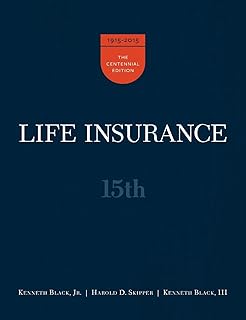
If you prefer a more academic approach, Life Insurance, 15th Ed. is a comprehensive textbook used in university courses. It covers whole life, term, and universal life in exceptional detail.
For agents and advisors, the Life and Health Insurance License Study Cards provide targeted practice tests for exam prep. These are especially helpful if you’re considering a career in the industry.

Additional Tools for Agents
If you’re an insurance agent marketing whole life policies, practical items like yard signs can boost your local presence. The Insurance Life Health Medicare Low Rates yard signs come in multi‑packs with metal stakes for easy installation.

Frequently Asked Questions About Whole Life Insurance
Q1: Is whole life insurance worth the higher premium compared to term?
Yes, if you need lifetime coverage and want to build cash value. Whole life acts as both protection and a forced‑savings vehicle. Term is cheaper but only covers you for a set period.
Q2: How does the cash value grow?
Cash value grows tax‑deferred based on the insurer’s dividend scale (for mutual companies) or a fixed interest rate. You can borrow against it at low interest rates.
Q3: Can I use whole life insurance for retirement?
Absolutely. Many people use policy loans or withdrawals to supplement retirement income. The cash value is not subject to market downturns, making it a stable source of funds.
Q4: What happens if I stop paying premiums?
Your policy may lapse, but you often have options: use accumulated cash value to pay premiums, reduce the face amount, or convert to a paid‑up policy with lower death benefit.
Q5: How are dividends taxed?
Dividends on whole life insurance are generally considered a return of premium and are not taxable. However, if total dividends exceed total premiums paid, the excess may be taxable as ordinary income.
Q6: Which company has the highest dividend for 2025?
Northwestern Mutual, New York Life, and MassMutual historically pay the largest dividends. Actual dividend rates depend on company performance and economic conditions.
Q7: Can I convert my term life policy to whole life?
Many companies offer conversion rights. Check your term policy for a conversion rider – you can typically convert without a medical exam if done before a certain age.
Q8: What are the best whole life insurance riders?
Common riders include accelerated death benefit (for terminal illness), waiver of premium (if you become disabled), and guaranteed insurability (allows you to buy more coverage later).
Q9: How do I choose between mutual and stock insurers?
Mutual insurers are owned by policyholders and pay dividends. Stock insurers are publicly traded and may offer lower premiums but no dividends. For whole life, mutual companies often provide better long‑term value.
Q10: Is whole life insurance a good investment?
It’s a low‑risk asset with guaranteed growth. It shouldn’t replace stocks or bonds, but it adds stability to a diversified portfolio. This is why the wealthy use it as a tax‑free personal bank.
Final Thoughts on the Top 10 Whole Life Insurance Companies for 2025
Choosing a whole life insurance provider requires careful evaluation of financial strength, dividend history, and your personal goals. The companies on this list – from Northwestern Mutual to Ohio National – represent the best in the industry for 2025.
Remember to read policy illustrations carefully and compare projected vs. guaranteed values. A trusted advisor can help you navigate riders and loan options. For further reading, explore related articles on our site:
- Top 10 Whole Life Insurance Companies: Ratings and Features
- Top 10 Whole Life Insurance Companies with the Best Cash Value
- Top 10 Whole Life Insurance Companies Compared: Which Is Best?
- Top 10 Whole Life Insurance Companies for Long-term Security
Finally, equip yourself with the right knowledge. Pick up Life Insurance Made Simple or Life Insurance 101 today and take control of your financial future.