 Insurance Curator
If you run a limited company in the UK, you already know that protecting your business against the loss of a key person or a shareholder is vital. But what about the tax implications? Getting the tax treatment wrong on your key person or shareholder protection insurance can cost your company thousands in unexpected corporation tax or inheritance tax (IHT). Directors across London, Manchester, Birmingham, and beyond often assume premiums are automatically deductible – they are not.
This guide breaks down exactly how HMRC views these policies. You will learn when premiums are tax-deductible, how policy proceeds are taxed, and what you must do to keep your cover efficient. We also include practical resources like Money. Wealth. Life Insurance.: How the Wealthy Use Life Insurance as a Tax-Free Personal Bank to Supercharge Their Savings to deepen your understanding.

Understanding Key Person and Shareholder Protection
Key person insurance covers the financial loss a company would suffer if a critical employee – often a director or top salesperson – dies or becomes critically ill. Shareholder protection (funded by life insurance) ensures that when a shareholder dies, the remaining shareholders have the cash to buy the deceased’s shares, keeping ownership stable.
Both types are essential for business continuity. But the tax treatment differs depending on whether the policy is written in trust, who pays the premiums, and who receives the payout. Let’s dive into the details.
Tax Treatment of Key Person Life Insurance Premiums and Payouts
Are Premiums Tax-Deductible?
HMRC does not automatically allow a corporation tax deduction for key person life insurance premiums. The key test is whether the expenditure is wholly and exclusively for the trade.
| Scenario | Premium Deductible? | Reason |
|---|---|---|
| Policy covers a true key person (e.g., CEO whose loss would seriously damage profits) | Yes, if cover is for lost profits/replacement costs | The expense is revenue in nature and incurred to protect the business’s income |
| Policy covers a shareholder who is not a key person | No | The benefit is capital in nature (protecting share value), not trading |
| Policy is written in trust for a key person’s family | No | Premiums are seen as a capital benefit for the individual |
Bold emphasis: If you want the premiums to be deductible, the policy must be owned by the company and intended to cover trading losses or recruitment costs – not to provide a capital sum for share purchase or personal benefit.
How Are Payouts Taxed?
- If the payout goes to the company and the policy is not written in trust: the proceeds are usually tax-free if the premiums were not deductible. If premiums were deducted, the payout is taxable as trading income (or as a chargeable gain in some cases).
- If the policy is written in trust for a key person’s family: the payout is paid to the trust, free from corporation tax, but may be subject to IHT depending on trust structure.
Key takeaway: Most advisers recommend not claiming a tax deduction on key person premiums so that the payout remains tax-free when the company needs it most. This is especially important for smaller businesses in cities like Leeds or Bristol where cash flow is tight.
Tax Treatment of Shareholder Protection (Buy-Sell Arrangements)
Shareholder protection policies are typically own-life policies written in trust – each shareholder takes out a policy on their own life, paying premiums personally or via the company. The tax treatment varies.
Premiums Paid by the Company
If the company pays the premiums on behalf of shareholders, these are usually treated as a benefit in kind (P11D) for each shareholder. The shareholder must pay income tax on the premium value, and the company pays Class 1A National Insurance. No corporation tax deduction is available because the cover relates to capital (share value), not trading.
Premiums Paid Personally
Shareholders pay premiums from their post-tax income. This is clean but has no tax relief. The upside: the payout (when the shareholder dies) is paid directly to the trust, free from IHT and corporation tax, and the surviving shareholders use it to buy the shares.
Pro tip: Directors in Glasgow or Edinburgh often prefer personal premium payment to avoid complex P11D reporting. But the trade-off is losing any potential tax relief.
Writing the Policy in Trust
Placing the policy in a flexible trust ensures the payout bypasses the deceased’s estate, avoiding IHT. It also ensures the money is available quickly for the buy-sell agreement. This is the most tax-efficient route for shareholder protection.
For a deeper look at buy-sell mechanics, see our guide on Funding a Buy-sell Agreement with Life Insurance: Protecting Remaining Shareholders.
Writing Policies in Trust: The Tax Impact
Trusts are not just for avoiding IHT – they also affect corporation tax treatment of premiums and proceeds.
- Absolute trust (Bare trust): The beneficiary has an immediate right to the policy. Premiums paid by the company are still likely a benefit in kind. Proceeds are paid to the trust tax-free.
- Flexible (Discretionary) trust: The trustees control distribution. Premiums are treated the same way (benefit in kind if company pays). Proceeds are outside the deceased’s estate.
Important: If the company is the beneficiary of the trust (unusual in shareholder protection), the payout could attract corporation tax. Always seek professional advice tailored to your company’s structure.
Practical Considerations for UK Directors
Whether you are a director in a London fintech startup or a family-run manufacturing firm in Sheffield, these principles apply:
- Separate personal and business cover. A Life Insurance for Limited Company Directors: Relevant Life Policies and Their Advantages can be more tax-efficient for death-in-service benefits.
- Check your policy wording. Some “key person” policies are actually designed to fund share purchase. That changes tax treatment completely.
- Consider a Relevant Life Policy for individual cover. Premiums are deductible, and there’s no benefit in kind if structured correctly. But it does not cover key person loss – only death benefit for the director’s family.
- Review your valuation method. Use our article on How to Value a Key Person for Insurance: Revenue, Profit, and Replacement Costs? to avoid under- or over-insuring.
City-Specific Considerations
- London: Higher salary levels mean key person cover often needs higher sums. Trust planning becomes critical to avoid IHT in high-value estates.
- Manchester & Birmingham: Growing SMEs often combine key person and shareholder protection in one policy. Be careful – HMRC may challenge the blend.
- Leeds & Bristol: Many businesses here are family-run. Writing policies in trust helps prevent forced sale of shares to cover IHT after a founder’s death.
Recommended Resources to Deepen Your Knowledge
Understanding tax treatment is only half the battle. To see how wealthy business owners use life insurance as a financial tool, consider these highly rated books:
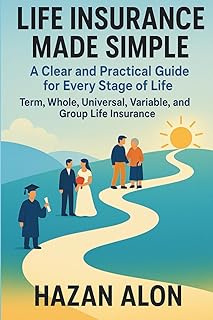
Life Insurance Made Simple (Rating: 4.8) offers a clear breakdown of personal and business policies. Ideal for directors who want to understand the broader role of life insurance.

How the Wealthy Would Grow YOUR Money (Rating: 5.0) reveals strategies that go beyond basic business protection – perfect for directors planning exit or retirement.
Both books provide context for using life insurance tax-efficiently, complementing the technical advice above.
Final Thoughts for UK Directors
The tax treatment of key person and shareholder protection insurance is nuanced. Premiums may be deductible only if the cover is truly for trading purposes. Payouts are often tax-free if premiums were not deducted – but HMRC scrutinises arrangements closely. Writing policies in trust is the strongest way to avoid IHT and ensure funds are used for their intended purpose.
Do not set and forget. Review your policies at least annually, especially if your business has grown or you’ve changed key personnel. And always consult a chartered tax adviser or insurance specialist who understands UK business protection.
For more guidance, explore our related articles:
- Key Person Insurance in the Uk: How It Works and Which Staff You Should Protect
- Shareholder Protection Insurance Explained: Keeping Ownership Stable after a Death
Stay protected, and make sure the tax tail does not wag the insurance dog.