 Insurance Curator
You started a side hustle for the freedom and extra income. Now comes the part nobody warns you about: taxes and legal paperwork. Ignoring these basics can turn your profit into a penalty nightmare.
Whether you’re selling crafts on Etsy, driving for rideshare apps, or freelancing after hours, the IRS considers you a business owner. That means new rules, new deadlines, and a new need for budgeting. The good news? With the right tools—like a Budget Planner or a Budgeting 101 book—you can stay organized and keep more of what you earn.
Why Tax and Legal Knowledge Matters for Side Hustlers
Many new earners treat their side hustle like a hobby until tax season hits. Then they realize they owe self-employment tax, missed quarterly deadlines, and have no records to claim deductions.
A side hustle is a business, even if you only make a few hundred dollars a month. The IRS expects you to report all income, regardless of amount. Failing to do so can lead to audits, penalties, and interest.
Budgeting for taxes from day one protects you. It also helps you make smarter decisions about legal structure, expense tracking, and growth. Let’s break down what you actually need to know.
Do You Need to Register Your Side Hustle? Legal Structures Explained
You don’t always need a formal business structure for a small side hustle. But as you grow, choosing the right legal form can save you money and protect your personal assets.
Sole Proprietorship vs. LLC: Which Is Right for You?
| Factor | Sole Proprietorship | LLC (Limited Liability Company) |
|---|---|---|
| Setup cost | Free (just use your SSN) | $50–$500+ depending on state |
| Liability protection | None (personal assets at risk) | Strong protection |
| Tax complexity | Simple (Schedule C) | Moderate (can be taxed as sole prop or S-corp) |
| Best for | Low-risk businesses, testing ideas | High-risk services, significant income |
Key insight: If your side hustle includes physical products, client contracts, or any risk of lawsuits, an LLC is worth the investment. For freelance writing or low-risk consulting, a sole proprietorship is fine initially.
Internal link: For help deciding based on your lifestyle, read How to Choose the Right Side Hustle Based on Your Skills and Lifestyle?.
Understanding Self-Employment Tax
When you’re an employee, your employer pays half of your Social Security and Medicare taxes. As a side hustler, you pay both halves—that’s 15.3% on your net earnings.
How it works:
- 12.4% for Social Security (up to the annual wage base)
- 2.9% for Medicare (no cap)
You calculate self-employment tax on your net profit (income minus allowable expenses). This is in addition to your regular income tax.
Example: If your side hustle earns $10,000 in profit, you owe roughly $1,530 in self-employment tax alone. Add income tax, and your total tax could be 25–35% of that profit.
That’s why budgeting for taxes is critical. Many new earners set aside 30% of every side hustle payment into a separate savings account.
How to Budget for Taxes as a Side Hustler
Budgeting for taxes isn’t optional—it’s survival. Without a plan, you’ll scramble in April and may miss estimated tax deadlines.
The 30% Rule and Savings Strategies
A common rule of thumb: save 30% of your side hustle income for taxes. This covers self-employment tax plus federal and state income tax for most earners in lower to middle brackets.
Steps to implement:
- Open a separate “tax savings” account.
- Transfer 30% of each payment immediately.
- Never touch that money except for tax payments.
This simple habit turns tax season from a crisis into a routine transaction.
Tools to Help You Budget and Track Expenses
You need a system to track income, expenses, and tax savings. Physical planners and budget binders work wonders for many side hustlers who prefer analog methods.
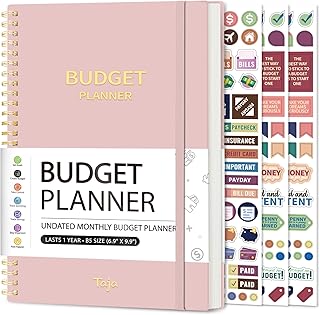
The Budget Planner (Pink) is a monthly budget book that helps you track every dollar. With an expense tracker and bill organizer, it’s perfect for side hustlers who want to separate business and personal spending. Rated 4.6 stars at $8.99, it’s an affordable way to stay on top of your finances.

The NICOOTH Budget Binder uses the cash envelope system to allocate money for different categories, including taxes. The A6 size fits in your bag, and the zipper envelopes keep cash and receipts secure. At $6.28, it’s a low-cost solution for visual budgeters.

The SKYDUE Budget Binder includes expense budget sheets and cash envelopes, making it easy to categorize side hustle expenses. Its 4.7-star rating reflects its durability and ease of use. Great for tracking mileage, supplies, and other deductible costs.

The Budget Planner (Black) offers the same features as the pink version but in a sleek design. Pair it with your side hustle income log for a complete accounting system. Undated pages mean you can start any month.

For deeper knowledge, pick up Budgeting 101 by Michele Cagan. This book explains how to set financial goals, track expenses, and build savings—all essential for side hustle success. At $9.69 with a 4.6 rating, it’s a solid reference for new earners.
Internal link: Looking for more ideas that require little to no upfront money? Check out Side Hustles You Can Start with Little to No Money Upfront.
Quarterly Estimated Taxes: What New Earners Often Miss
If you expect to owe $1,000 or more in taxes for the year, you must pay estimated taxes quarterly. This applies to most side hustlers with significant profit.
Deadlines:
- April 15 (for Jan–Mar income)
- June 15 (for Apr–May)
- September 15 (for Jun–Aug)
- January 15 next year (for Sep–Dec)
How to calculate: Use Form 1040-ES. Estimate your total side hustle income, subtract deductions, then divide by 4. Pay each quarter.
Common mistake: Waiting until December to pay. Late payments trigger penalties and interest. Budgeting with a SKYDUE Budget Binder helps you set aside money each month so you have funds ready for quarterly payments.
Top Tax Deductions for Side Hustles (and How to Track Them)
Every dollar you legitimately deduct reduces your taxable income. Here are the most common deductions for side hustlers:
- Home office deduction – if you use a dedicated space exclusively for work
- Supplies and materials – paper, ink, software, etc.
- Mileage – standard rate (65.5 cents per mile in 2023 for business driving)
- Phone and internet – percentage based on business use
- Marketing and advertising – website hosting, social media ads
- Professional services – accountant, lawyer, bookkeeper
- Education – courses, books, webinars related to your hustle
Tracking tip: Use a Budget Planner to log expenses daily. Keep receipts either physically in your NICOOTH binder or digitally scanned. At year-end, you’ll have a complete record for your tax preparer.
Internal link: To prevent burnout from managing everything, read How to Avoid Burnout While Balancing a Full-time Job and a Side Hustle?.
Record Keeping Best Practices
Good records protect you in an audit and maximize your deductions. The IRS recommends keeping records for at least three years after filing.
What to save:
- Invoices and payment receipts
- Bank and credit card statements
- Mileage logs
- Contracts and agreements
- Receipts for all business expenses
Analog vs. digital: Many side hustlers prefer a physical binder for receipts and a spreadsheet for totals. The Budget Planner gives you a dedicated section for expenses. If you go digital, use apps like QuickBooks or Wave.
Pro tip: Set a weekly reminder to update your records. Ten minutes on Sunday beats four hours in April.
Common Tax and Legal Mistakes to Avoid
Even experienced side hustlers slip up. Watch out for these pitfalls:
- Mixing personal and business finances – Open a separate bank account.
- Ignoring self-employment tax – It’s not optional.
- Failing to register with your state – Many require a business license.
- Missing quarterly deadlines – Set calendar alerts.
- Overlooking sales tax – If you sell physical goods, you may need to collect sales tax.
- Not filing Schedule C – Even if you have no profit, file it to document the business.
Internal link: For parents juggling family and a side hustle, see Side Hustles for Parents: Flexible Ways to Earn Around Family Life.
Frequently Asked Questions (FAQ)
1. Do I have to pay taxes if my side hustle makes less than $600?
Yes. The $600 threshold is for the payer to issue a 1099-NEC, but you must report all income regardless of amount.
2. Can I deduct startup costs before I earn any money?
Yes. Many startup costs (up to $5,000) are deductible in your first year. Keep receipts.
3. What is the home office deduction and does it trigger an audit?
It allows you to deduct a portion of rent, utilities, and insurance. It does not trigger an audit if you use the simplified method ( $5 per square foot, up to 300 sq. ft.).
4. Should I form an LLC for my side hustle?
Consider an LLC if you have liability exposure (physical products, client contracts) or plan to scale significantly.
5. How do I pay quarterly estimated taxes?
Use IRS Direct Pay or the Electronic Federal Tax Payment System (EFTPS). You can also mail Form 1040-ES.
6. What records must I keep for mileage?
A log with date, miles, destination, and business purpose. The standard rate covers gas, maintenance, and depreciation.
Final Thoughts
Tax and legal basics don’t have to overwhelm you. Start with a simple structure—sole proprietorship is fine for most beginners. Set aside 30% of every payment in a dedicated account. Use a Budget Planner or Budget Binder to track expenses and income.
Once you have those habits, revisit your legal structure as you scale. Read up on Scaling a Side Hustle: When and How to Raise Prices, Outsource, or Expand to know when to evolve.
Your side hustle is a business. Treat it like one, budget for taxes, and keep clean records. You’ll sleep better at night—and keep more of your hard-earned money.