 Insurance Curator
Choosing between a no-exam policy and a fully underwritten life insurance plan can feel like a gamble. One promises speed and convenience; the other digs deep into your health history to reward you with lower rates. But which path actually saves you money over a decade or more? The answer isn’t always obvious, and the wrong choice could cost you thousands.
Understanding how insurers calculate risk is the first step. No-exam policies skip the medical check, but they often charge a premium for that convenience. Fully underwritten plans require a nurse visit, blood tests, and a thorough review of your GP records. The trade-off? Far cheaper premiums if you’re in good health. For a deeper dive into smart life insurance strategies, consider a trusted resource like Life Insurance Made Simple. Its 4.8-star rating reflects how many readers have saved by understanding these nuances.

What’s the Difference Between No-exam and Fully Underwritten Policies?
No-exam life insurance, also called accelerated underwriting or guaranteed issue, does not require a medical examination. You answer a few health questions, and the insurer decides based on databases like the UK’s Medical Information Bureau. Approval can happen in days — sometimes hours.
Fully underwritten policies involve a comprehensive health assessment. A nurse measures your height, weight, blood pressure, and takes blood and urine samples. The insurer also requests your medical records from your GP. This process takes weeks, but it gives the insurer a precise picture of your risk profile. Healthy applicants are rewarded with lower premiums.
The Short-Term Cost Comparison
In the short term, a no-exam policy often appears cheaper because you avoid the upfront cost of medical tests. However, the monthly premium is almost always higher than a fully underwritten policy for someone in good health.
Key differences at the start:
- No-exam premiums can be 20% to 40% higher than fully underwritten for the same coverage amount.
- Some no-exam policies include a “look-back” period — if you die within two years, the insurer may only refund premiums, not pay the full death benefit.
- Fully underwritten policies have a standard 13-month contestability period, but after that, the cover is much more secure.
For a healthy 35-year-old in London, a £500,000 fully underwritten term policy might cost £25 per month. A similar no-exam policy could cost £35–£40. That difference adds up quickly.
The Long-Term Cost Picture
Over a 20-year term, paying an extra £15 per month amounts to £3,600. If you live in a city like Manchester or Birmingham, that extra cash could fund a family holiday or an ISA contribution.
Why fully underwritten often wins over the long haul:
- Premiums are typically level and guaranteed for the full term.
- You lock in a rate based on your actual health, not an average.
- Many no-exam policies have lower maximum coverage amounts (often capped at £300,000 to £500,000 in the UK).
If your health declines later, you’re stuck with the no-exam premium. Fully underwritten policies, once issued, cannot be repriced due to health changes — so you benefit from the lower rate for life.
When No-exam Makes Financial Sense
No-exam isn’t always the wrong choice. There are specific situations where it can be cheaper in the long run because you simply could not get fully underwritten cover at all — or only at a very high price.
Scenarios where no-exam is smarter:
- You have a chronic condition like diabetes or heart disease that would result in heavy premium loadings.
- You need immediate cover (e.g., for a mortgage exchange) and can’t wait weeks for underwriting.
- You’re over 60 and only need a small policy to cover funeral costs.
In these cases, the “long run” cost of a fully underwritten policy might be unaffordable or denied outright. No-exam becomes your most cost-effective option.
Hidden Costs of No-exam Policies
Beyond higher premiums, no-exam policies have finer print that can increase your long-term costs.
Watch out for:
- Limited coverage amounts — you may need to buy multiple policies to reach your desired sum.
- Exclusion periods for natural death — if you pass away within the first two years, the payout is zero or limited.
- Gaps in protection — some no-exam policies exclude pre-existing conditions even if they weren’t diagnosed at application.
A fully underwritten policy, while slower to set up, offers more certainty and often includes conversion options to permanent cover later.
How to Decide Based on Your Profile
Use this simple table to compare which route is likely cheaper for you over the long run.
| Your Profile | Best Option | Why |
|---|---|---|
| Healthy non-smoker under 50 | Fully underwritten | Lowest premiums, high coverage limits |
| Smoker or has a manageable condition | Fully underwritten | Quitting smoking or improving health can lower rates on review |
| Chronic illness or older applicant | No-exam | May be the only affordable cover available |
| Need cover urgently (e.g., mortgage exchange) | No-exam | Speed outweighs the premium difference |
| Low coverage needed (£50k or less) | No-exam | Simplicity and lower absolute cost difference |
Expert Tips to Get the Cheapest Life Insurance in the UK
Regardless of which type you choose, you can lower your costs with smart preparation.
Actionable steps:
- Compare quotes from at least five UK insurers. Use comparison sites wisely — but be aware of how policy add-ons can inflate prices. Read our guide on Using Life Insurance Comparison Sites Wisely: Tricks to Avoid Overpaying in the Uk to see where traps hide.
- Consider the timing of your application. Premiums increase with age, so apply when you’re healthiest. Learn more in Timing Your Life Insurance Purchase: Why Applying at the Right Moment Cuts Costs.
- Make lifestyle changes like losing weight or reducing alcohol intake. Even small improvements can move you to a better risk class. See Lifestyle Changes That Lower Life Insurance Premiums: from Weight Loss to Drinking Less.
- Don’t over-insure. Find the sweet spot between sum assured and premium length. Our article How Policy Length and Sum Assured Affect Price: Finding the Sweet Spot for Savings? explains the math.
Further Reading: Books to Master Life Insurance Strategy
Understanding how the wealthy leverage life insurance can change your perspective on value. Two highly rated books break down these concepts.
Money. Wealth. Life Insurance.: How the Wealthy Use Life Insurance as a Tax-Free Personal Bank to Supercharge Their Savings — Rating 4.6, priced at $8.95. This book reveals how permanent policies can double as investment vehicles. A must-read for anyone considering cash value strategies in the UK.

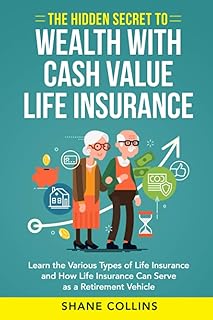
The Hidden Secret to Wealth with Cash Value Life Insurance — Rating 4.5, $7.99. It explains how life insurance can serve as a retirement vehicle. Perfect if you’re exploring whole life or universal life options.
Final Verdict: Which Is Cheaper in the Long Run?
For the vast majority of UK residents, a fully underwritten life insurance policy is cheaper over the long run — often by hundreds or thousands of pounds. The medical exam is a small inconvenience for a lifetime of lower premiums and higher coverage limits.
But no-exam policies have their place. If you’re older, have health issues, or need cover fast, the convenience can outweigh the cost. The key is to run the numbers for your specific situation.
Start by comparing quotes for both types. Use the premium difference to decide whether the speed of no-exam is worth the extra money. And if you’re healthy, don’t skip the medical – it’s your ticket to true cheap life insurance without cutting corners.