 Insurance Curator
You pay your premiums month after month, year after year, and you never die during the policy term. So was it all a waste of money? This question haunts many UK policyholders, especially those who have held term life insurance for decades without a claim. The instinct is to see life insurance as a bet you hope to lose—but that’s a dangerous oversimplification.
The real value of life insurance isn’t just the payout. It’s the financial security, the peace of mind, and sometimes even the living benefits that make it a cornerstone of smart financial planning. Let’s bust the myth that life insurance is a waste if you never claim.
The Myth: “Why Pay for Something You May Never Use?”
This is the most common objection in the UK. People compare life insurance to a lottery ticket—you only win if you die. But that’s not how protection works. You don’t call your car insurance a waste if you go a year without an accident. You don’t call your home insurance a waste if your house never burns down. Insurance exists to protect against the financial catastrophe of an unlikely event.
Life insurance is the same. In fact, UK insurers pay out over 97% of life insurance claims—a fact that contradicts the myth that companies avoid paying. For a deeper dive, read our piece on Myth vs Reality: How Often Uk Life Insurance Claims Are Actually Paid out. When you buy cover, you’re buying the certainty that your loved ones won’t be left with debt, mortgage payments, or funeral costs if you’re gone.
Beyond the Payout: The Tangible Benefits While You’re Alive
Even if you never claim the death benefit, life insurance can deliver value during your lifetime. Here are some overlooked benefits:
- Peace of mind: The psychological relief of knowing your family is protected is priceless. Stress over financial “what-ifs” decreases.
- Critical illness cover: Many UK life insurance policies include a terminal illness or critical illness benefit that pays out if you’re diagnosed with a serious condition. That’s a living claim.
- Savings and investment elements: Whole life and universal life policies build cash value that you can borrow against or withdraw. This isn’t “use it or lose it”—it’s a financial asset.
Life insurance isn’t just for the wealthy or for property owners. Affordable options exist for ordinary UK earners. Check out Why Life Insurance Is Not Just for the Wealthy: Affordable Options for Ordinary Uk Earners? to see how low monthly premiums can protect a family.
How the Wealthy Use Life Insurance as a Financial Tool
The richest individuals don’t view life insurance as a mere safety net—they use it as a tax-efficient savings vehicle. Cash value life insurance can grow tax-deferred, and policy loans can be taken without triggering immediate taxes. This strategy is explained in depth in the top-rated book Money. Wealth. Life Insurance. by Tom Hegna.

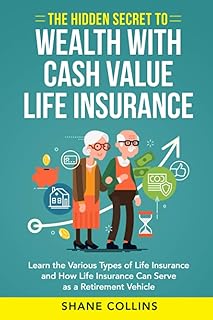
Another excellent resource is The Hidden Secret to Wealth with Cash Value Life Insurance, which teaches how life insurance can serve as a retirement vehicle. With a rating of 4.5 stars, it shows that life insurance can be much more than a death benefit.
In the UK, while the tax treatment differs, the principle remains: permanent life insurance policies can build cash value that you can access later. This is especially relevant for self-employed individuals or those looking to diversify their savings.
The Cost of Waiting: Why Young, Healthy Adults Benefit Most
One of the biggest mistakes people make is delaying buying life insurance because they think they won’t need it soon. But premiums increase with age and health deterioration. A 25-year-old in London can lock in a low rate for 30 years. A 45-year-old smoker in Manchester will pay dramatically more.
Waiting also means you risk developing a condition that makes you uninsurable or subject to a premium loading. The truth is, life insurance is cheapest and easiest when you’re young and healthy. Read why in Why Young, Healthy Adults Often Get the Best Life Insurance Deals (And Why Waiting Costs More)?.
What Happens to Your Premiums If You Never Claim?
A common feeling is that your premiums vanish into a black hole. That’s true for term life insurance—it’s pure protection, like a fire insurance policy. But that doesn’t mean it’s a waste. Consider these points:
- Pooled risk: Your premiums help pay claims for those who do die, ensuring the system works for everyone.
- Return of premium (ROP) riders: Some UK policies offer a “money-back” option where you get all premiums back at the end of the term if no claim occurs. Yes, it costs more, but it removes the “waste” feeling.
- Convertible term: You can turn your term policy into a permanent one that builds cash value, avoiding the “nothing to show” scenario.
For most people, the fear of leaving dependents unprotected far outweighs the cost of premiums. Even in cities like Birmingham or Glasgow, a modest term life policy can cost less than a daily coffee.
Real Stories: Families Who Were Glad They Had Cover
While we can’t share individual client anecdotes, industry data speaks volumes. The Association of British Insurers (ABI) reports that over £2 billion in life insurance claims are paid each year. Behind every claim is a family that avoided financial ruin because a parent or partner had cover.
Imagine a single mother in Liverpool who passes away unexpectedly. Without life insurance, her children could lose the family home and face significant debt. With a simple level-term policy, the mortgage is paid off, and there’s money for education and living expenses. That’s not a waste—that’s a lifeline.
Is It a Waste? A Balanced Verdict
Let’s compare term life insurance (most affordable, no cash value) and whole life (premium, but includes savings). Use this table to decide based on your situation:
| Aspect | Term Life Insurance | Whole Life Insurance |
|---|---|---|
| Premiums | Low, fixed for term | Higher, fixed for life |
| Death benefit | Paid if you die during term | Paid regardless of when you die |
| Cash value | None | Builds over time |
| Best for | Protecting dependents short-term | Estate planning, savings, long-term cover |
| Feel like a “waste” if never claimed? | Possibly if you don’t die during term | Less so because you can access cash value |
For most UK families, a 20- or 30-year term policy covering the mortgage and childcare costs makes sense. If you never claim, you’ve still enjoyed decades of protection. That’s like buying a smoke alarm you never use—you still appreciate it.
Additional Resources to Deepen Your Understanding
If you want to explore life insurance beyond the basics, these Amazon bestsellers are excellent reads:
-
Life Insurance Made Simple (Rating 4.8) — A clear guide for every stage of life.

-
How the Wealthy Would Grow YOUR Money (Rating 5.0) — Reveals how life insurance can build tax-free wealth.

-
The Digital Life Insurance Agent (Rating 4.5) — For professionals, but insightful for consumers too.

These books underscore the fact that life insurance is an asset, not an expense. Whether in London, Edinburgh, or Cardiff, understanding its real value transforms the “waste” question into a strategic financial decision.
Final Thought
Life insurance is a waste only if you never buy it and your family suffers financially. If you hold a policy and never claim, you’ve simply won the game of life—you survived. And during those years, you had the peace of mind that your loved ones would be okay no matter what. That peace is the ultimate value.
Don’t let the myth stop you from protecting what matters. Explore your options, compare quotes, and see how affordable life insurance can be in your city. Your family’s future is worth it.