 Insurance Curator
 You might think you can run a quick license plate check and uncover any insurance policy tied to a driver. But the reality is far more complex.
When you’re trying to locate a term life insurance policy — perhaps for a deceased relative or your own records — swiping a plate number won’t help. License plates are designed for vehicle registration and auto insurance verification, not for life coverage. However, there are legitimate ways to perform an insurance policy lookup that actually deliver results. In this deep dive, we’ll separate fact from fiction and show you exactly what works, what doesn’t, and how to find that lost life policy.
Why a License Plate Number Won’t Find Your Term Life Policy
License plates are tied to the vehicle, not the person’s life insurance. Auto insurers use VIN numbers and plate data because state DMVs maintain that link. Term life insurance policies, on the other hand, are issued to an individual using their Social Security Number, name, and date of birth. No central database connects a plate number to a life insurance company.
Privacy laws (like the Driver’s Privacy Protection Act) strictly limit who can access DMV records. Even if you could look up the registered owner, that information gives you no clue about their life insurance carrier or policy number. So if you’re searching for a term life policy and all you have is a license plate, you’re out of luck — unless you pivot to the right methods.
Common Misconceptions About Insurance Policy Lookup Using License Plate Number
Many people assume that a license plate lookup is a one-stop shop for all insurance types. Let’s bust those myths:
-
Myth #1: “I can find the life insurance policy of my deceased father by entering his old license plate number online.”
Truth: Life insurance is not registered with any vehicle database. -
Myth #2: “Free plate lookup sites will show me the provider and policy limits.”
Truth: Those sites only show auto insurance status (in some states) and are often unreliable. -
Myth #3: “The DMV links life insurance policies to the vehicle registration.”
Truth: The DMV only requires proof of auto liability insurance, not life insurance.
If you’re looking for a term life insurance policy you or a loved one purchased, you must use personal identifying information — not a plate number.
What Actually Works: Proven Methods for Term Life Insurance Policy Lookup
1. The NAIC Life Insurance Policy Locator
The National Association of Insurance Commissioners (NAIC) offers a free, secure policy locator tool. You submit the deceased person’s name, SSN, and date of birth. Participating insurers search their records and respond within 90 days.
Steps:
- Visit the NAIC website.
- Complete the online request form.
- Provide as many identifiers as possible (address, previous names).
- Wait for insurers to respond if they find a match.
This is the most effective method for locating a lost term life insurance policy of a deceased relative.
2. State Unclaimed Property Databases
When a life insurance company cannot find the beneficiary, they turn the policy proceeds over to the state as unclaimed property. Each state maintains a free searchable database.
How to use it:
- Go to your state’s unclaimed property website (usually run by the state treasurer).
- Enter the name of the deceased.
- If a policy is listed, you can file a claim to receive the death benefit.
For more detail, read our guide: Free Insurance Policy Lookup Services for Unclaimed Property
3. Contact the Deceased’s Financial Advisor or Attorney
Many term life policies are purchased through an agent, bank, or financial planner. If you have access to the deceased’s professional advisors, they can check their records.
Ask them to:
- Search for any life insurance policies on file.
- Look through old emails, correspondence, or premium notices.
- Check for automatic premium payments from bank accounts.
4. Review Bank Statements and Canceled Checks
Term life insurance premiums are usually paid monthly or annually. Scan the deceased’s bank statements for recurring payments to known insurance companies.
Look for:
- Check images with company logos.
- Electronic payments with descriptions like “Prudential Life” or “MetLife term.”
- Automatic withdrawals that stopped after death.
5. Check with Employers (Past and Present)
Many employers offer group term life insurance as a benefit. Contact the HR department of any company the deceased worked for. Even if the person retired, they may have kept a conversion policy.
Pro tip: If the policy was purchased through an employer, the beneficiary might not be immediately notified. It’s worth checking multiple past employers.
How to Locate Your Own Term Life Insurance Policy (Without a License Plate)
Maybe you misplaced your policy documents but you know you bought term life insurance. Here’s what to do:
- Search your email inbox for policy delivery documents, welcome letters, or premium receipts.
- Log into your bank or credit card accounts and look for premium payments. Note the payee name.
- Call the insurance company you believe issued the policy. Provide your name, SSN, and DOB. They can locate the policy and issue a duplicate.
- Use the Medical Information Bureau (MIB) policy locator. If you applied for life insurance in the last several years, MIB may have a record. There’s a small fee for this service.
Important: License plate lookup will never help you find your own policy. Your personal identity is the key.
Expert Insights: Why License Plate Data Is Restricted for Life Insurance
We spoke with industry professionals to understand why a license plate can’t unlock life insurance data.
“Term life insurance policies are not registered with any motor vehicle database. The DMV only cares about auto liability coverage. Life insurance is a private contract between the insured and the carrier. The only way to access it is through the policyholder’s personal information or through beneficiary notification.”
— Karen S., Licensed Insurance Advisor, 15 years experience
Legal restrictions under the Driver’s Privacy Protection Act (DPPA) prohibit the release of personal information from DMV records without consent. Even if you could obtain the registered owner’s name, that doesn’t give you access to their life insurance data.
Why this matters for your search: Instead of wasting time on plate lookups, focus on the methods that respect privacy laws and actually work.
How to Perform an Insurance Policy Lookup for Auto and Home Policies Using a License Plate
While life insurance can’t be found with a plate number, auto insurance can — in many states. If you need to verify that a driver has coverage, you have options:
- State auto insurance verification systems – Some states (like Texas, California, and New York) allow police and third parties to check active auto policies using the plate or VIN.
- Commercial services – Companies like Insurance Information Institute and property lookup tools can sometimes return auto policy status. Use with caution; accuracy varies.
- After an accident – If you’re in a collision, the other driver’s insurance information is on the exchange form. If they refuse, report to police and your insurer.
For a deep dive, see our guide: How to Do an Insurance Policy Lookup for Auto and Home Policies?
Also check: Insurance Policy Lookup by Vin: Finding Auto Coverage Fast
Step-by-Step Insurance Policy Lookup for Deceased Relatives (Term Life Focus)
When a loved one passes away, finding their term life insurance can be overwhelming. Follow this systematic approach:
- Gather personal documents – Social Security card, birth certificate, recent mail, address history.
- Use the NAIC Locator – Submit the request online. Wait up to 90 days.
- Search state unclaimed property – Do this simultaneously; often faster.
- Contact financial advisors – Banks, CPAs, and attorneys may have records.
- Check safe deposit boxes – Policy documents are often stored there.
- Examine tax returns – Interest income from cash value policies appears on Schedule B.
For a full walkthrough, read: Step-by-step Insurance Policy Lookup for Deceased Relatives
Recommended Resources to Understand Term Life Insurance
To make the best decisions about insurance policy lookup and coverage, education is key. Below are top-rated books and tools available on Amazon. We’ve selected the most helpful for understanding term life insurance and improving your search strategies.

Life Insurance 101 — A concise, beginner-friendly book that explains how term life policies work, how to find lost policies, and what to watch for. Rated 4.1 stars, $14.95.

Life Insurance Made Simple — A highly rated (4.8 stars) comprehensive guide covering term vs. whole life, beneficiaries, and how to locate policies. $34.99.

Questions and Answers on Life Insurance — An advanced reference for agents and consumers. Covers product details, policy lookup techniques, and legal issues. $16.30, 4.3 stars.
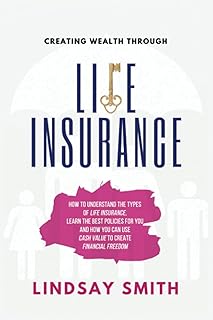
Creating Wealth Through Life Insurance — Explains how to use life insurance as a financial tool, plus how to track policies efficiently. $24.99, 4.6 stars.
Comparison of Top Life Insurance Books
| Product | Price | Rating | Key Focus | Buy at Amazon |
|---|---|---|---|---|
| Life Insurance 101 | $14.95 | 4.1 / 5 | Basics, policy lookup | |
| Life Insurance Made Simple | $34.99 | 4.8 / 5 | Comprehensive guide | |
| Questions and Answers on Life Insurance | $16.30 | 4.3 / 5 | Expert reference | |
| Creating Wealth Through Life Insurance | $24.99 | 4.6 / 5 | Financial strategy | |
These resources will help you understand the insurance landscape and improve your ability to locate and manage term life policies.
Protect Your Digital Insurance Records
Once you find a policy, keep your documents safe. Consider using a laptop protection plan like the ASURION 4 Year Laptop Protection Plan to guard the device where you store your insurance PDFs and records. It covers accidents, drops, and spills — peace of mind for important paperwork.

ASURION Laptop Protection Plan — $279.99, 4.4 stars, 1300+ reviews. Covers devices $1500-$1999.
Frequently Asked Questions (FAQ)
Can you look up a life insurance policy with a license plate number?
No. License plate numbers are linked to vehicle registration and auto insurance, not to term life insurance policies. Life insurance requires personal identifiers such as name, SSN, and date of birth.
How do I find a lost term life insurance policy?
Use the NAIC Life Insurance Policy Locator, search state unclaimed property databases, contact the deceased’s employer and financial advisor, and review bank statements for premium payments.
Is there a free way to search for life insurance policies?
Yes. The NAIC Policy Locator is free. State unclaimed property searches are also free. Avoid paid “lookup services” that promise results from plate numbers — they rarely work for life insurance.
What information do I need for a life insurance policy lookup?
You typically need the full name, Social Security Number, and date of birth of the policyholder. For a deceased person, also have a death certificate and proof of relationship (if you’re the beneficiary).
Why can’t I just use a license plate to find someone’s life insurance?
Life insurance policies are private contracts between the insured and the insurer. There is no central database linking plate numbers to life insurance companies, and privacy laws prevent DMV data from being used for that purpose.
JSON-LD FAQ Schema
Final Thoughts
Insurance policy lookup using license plate number is a powerful concept — but only for auto insurance. For term life insurance, you need to use the right tools: the NAIC locator, state unclaimed property, and personal records. Don’t fall for myths or paid services that promise plate-based results.
Take charge of your search today. Gather the necessary personal details, use the free resources above, and you’ll have the best chance of locating that missing life insurance policy.
Need more help? Explore our related guides: