 Insurance Curator
 Choosing the right life insurance company to launch or advance your career isn’t a small decision. It directly impacts your income, your professional development, and your long-term satisfaction. If you’re focusing on term life insurance—the simplest, most affordable, and highest-volume product in the industry—you need an employer that supports that mission with solid training, fair compensation, and real growth potential.
The best life insurance companies to work for don’t just sell policies. They invest in their agents, offer transparent career paths, and foster a culture where you can thrive. Below, we break down exactly what to look for, which resources can accelerate your success, and how to make a smart, informed choice.
Why Term Life Insurance Is a Smart Career Focus
Term life insurance is the entry point for most consumers—and for many agents. It’s straightforward: a fixed premium for a set period (10, 20, or 30 years) with a death benefit if the policyholder passes away. No cash value, no complexity.
Why this matters for your career:
- High demand: Families need affordable protection. Term life is the go-to solution.
- Fast sales cycles: Simplicity means less time explaining, more time closing.
- Recurring commissions: Many companies offer renewal commissions, building residual income.
- Natural upsell path: Once you build trust with term clients, you can introduce whole life or other products.
Companies that dominate term life insurance—like Banner Life, Protective, and AIG—often provide dedicated training and marketing support for term specialists. When evaluating employers, check if they offer a strong term life portfolio and if their sales systems emphasize it.
Key Factors to Evaluate When Choosing an Employer
Not all insurance carriers or agencies are created equal. Use these criteria to filter your options.
Compensation and Commission Structure
Your earning potential depends heavily on how commissions are structured. Look for companies that offer:
- High first-year commissions (often 80–100% of the first-year premium for term life)
- Renewal commissions (usually 5–10% in years 2–10)
- Vested contracts so you keep renewals even if you leave
- Bonus programs for production milestones
A common mistake is focusing only on the headline commission percentage. Ask about chargebacks, clawbacks, and how long it takes to get paid. Companies with weekly commission advances can help with cash flow.
Training and Licensing Support
If you’re new to the industry, you need a company that provides licensing resources. Many top carriers reimburse exam fees and supply study materials.
For example, the Life and Health Insurance License Study Cards from the selected products list are a popular tool for passing the state exam quickly. They contain full-color, digestible flashcards covering key concepts. Pairing this with company-provided training can cut your licensing time in half.
Pro tip: Some employers offer a signing bonus or a forgivable loan to cover licensing costs. Always negotiate.
Company Culture and Work-Life Balance
You’ll spend countless hours prospecting, meeting clients, and learning new products. A toxic culture will burn you out. Research the work environment through:
- Employee reviews on Glassdoor and Indeed
- Agent testimonials on the carrier’s website
- Conversations with current or former agents
The best life insurance companies to work for prioritize mental health, flexible schedules, and manageable sales expectations. If an agency pushes hard for 50+ cold calls per day without support, that’s a red flag.
Product Portfolio and Market Reputation
While term life insurance is your focus, the ability to offer other products (whole life, universal life, disability, critical illness) boosts credibility. Look for carriers with:
- Strong financial ratings (A.M. Best A or higher)
- Fast underwriting especially for term policies
- Online quoting and e-application tools
- Consumer-friendly term life options (no-exam, same-day decisions)
Companies like Mutual of Omaha, Transamerica, and Prudential are known for excellent term life offerings and agent support.
Advancement Opportunities and Career Path
Will you be stuck selling term life for the next decade? The best employers offer clear progression:
- From agent to team leader
- From sales to management
- From captive to independent (if desired)
- Recruiting bonuses and overrides
Ask about the “average time to promotion” during interviews. Also see if the company provides leadership development programs.
For more insight on industry leaders, check out our article on Why These Life Insurance Companies Rank Highest for Employee Satisfaction?.
Top Traits of the Best Life Insurance Companies to Work For
Based on agent feedback and industry data, the following traits consistently appear among top employers:
- Transparent commission structures – no hidden reductions
- Ongoing education – webinars, mentorship, CE credits
- Marketing support – leads, co-op advertising, CRM tools
- Work-life balance – no mandatory evening/weekend office hours
- Recognition culture – awards, trips, public acknowledgment
If you’re comparing multiple offers, create a weighted scorecard using these traits. Then visit Employee Perks and Benefits at the Best Life Insurance Firms for a detailed breakdown of what top carriers offer.
Essential Resources to Accelerate Your Career
Arm yourself with knowledge before you sign a contract. The following Amazon products are hand-picked to boost your insurance IQ and prepare you for success.
1. Life and Health Insurance License Study Cards

These comprehensive flashcards cover every topic on the state licensing exam. They’re full-color, portable, and designed for active recall—a research-backed way to memorize key terms and concepts. With a 4.3-star rating and 83 reviews, they’re a go-to resource for new agents.
Price: $43.99
Best for: Self-paced learners who want to pass the exam on their first attempt.
2. Life Insurance Made Simple: A Clear and Practical Guide for Every Stage of Life

With a 4.8-star rating and rave reviews, this book demystifies both term and permanent life insurance. It’s perfect for agents who want to explain policies clearly to clients. The author uses real-world examples to illustrate coverage needs, from young families to retirees.
Price: $34.99
Best for: Agents who struggle with client communication and need a conversational framework.
3. Life Insurance 101: The Basics of Life Insurance Explained

A no-frills introduction to life insurance fundamentals. This book breaks down policy types, riders, and underwriting in plain English. At only $14.95, it’s an affordable addition to any agent’s library.
Rating: 4.1 stars
Best for: Beginners who need a quick overview before diving into advanced training.
4. The Digital Life Insurance Agent: How to Market Life Insurance Online and Sell Over the Phone
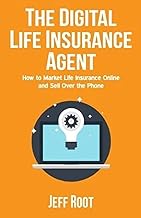
From the real data list, this book focuses on modern sales techniques—social media, email marketing, and phone scripts. In today’s remote-work environment, these skills are essential for career growth. Rating: 4.5 stars, Price: $15.30.
Best for: Agents who want to stop cold-calling and start generating leads online.
Comparison Table: Top Resources for New Life Insurance Agents
| Product | Price | Rating | Best For | Buy at Amazon |
|---|---|---|---|---|
| Life Insurance Made Simple |
$34.99 | 4.8 | Client communication and policy clarity | Buy Now |
| License Study Cards |
$43.99 | 4.3 | Exam prep and memorization | Buy Now |
| Life Insurance 101 |
$14.95 | 4.1 | Foundational knowledge | Buy Now |
| The Digital Life Insurance Agent |
$15.30 | 4.5 | Online marketing and phone sales | Buy Now |
Investing in even one of these resources can dramatically shorten your learning curve. Many top-producing agents credit their success to mastering both product knowledge and sales psychology early on.
How to Research and Vet Life Insurance Companies
Now that you know what to look for, here’s a step-by-step approach to evaluating potential employers.
Step 1: Check Financial Strength
Use A.M. Best, Moody’s, and Standard & Poor’s to confirm the carrier is financially stable. You don’t want to sell policies for a company that might fail.
Step 2: Read Agent Reviews
Glassdoor, Indeed, and the NAILBA (National Association of Insurance and Financial Advisors) forums are goldmines. Search for “agent experience at [company name].”
Step 3: Interview Current Agents
Ask for references from the agency you’re considering. Good questions:
- How long did it take you to get your first commission check?
- What percentage of agents succeed here in the first two years?
- Do you provide warm leads or expect cold prospecting?
Step 4: Examine the Contract
Look for non-compete clauses and vesting schedules. If you leave after two years, do you keep your renewals? The best life insurance companies to work for offer immediate vesting or a short vesting period.
Step 5: Test the Training
Ask to see a sample training calendar. Does it cover product knowledge, sales scripts, compliance, and prospecting? A one-week orientation is rarely enough. Look for ongoing coaching.
For a deeper dive into company cultures, read Work-life Balance at Leading Life Insurance Companies: an Insider Look.
Frequently Asked Questions
What is the best life insurance company for an entry-level agent?
There’s no single answer, but companies like Mutual of Omaha, New York Life, and Northwestern Mutual are known for excellent training. For agents focused solely on term life, consider Banner Life or Protective, both of which offer competitive term portfolios.
How much can I earn selling term life insurance in my first year?
Earnings vary widely. A full-time agent selling term life can expect $40,000–$70,000 in the first year, depending on leads and effort. Top earners in term life often exceed $100,000 by year three.
Do I need a college degree to become a life insurance agent?
No. Licensing requires passing your state exam and completing pre-licensing education. A degree may help with certain captive agencies, but it’s not mandatory.
Which is better: captive or independent agency?
Captive agencies (you sell only one carrier’s products) offer deep training and leads. Independent agencies let you shop multiple carriers, which can increase your closing rate. Many successful career agents start captive and transition to independent after a few years.
How long does it take to get licensed?
Most states require 20–40 hours of pre-licensing education. After that, you schedule the exam. With dedicated study using tools like the Life and Health Insurance License Study Cards, you can be licensed in 2–4 weeks.
Your Next Move
Choosing the best life insurance company for your career growth starts with self-assessment. What’s your sales style? Do you prefer structure or freedom? Are you willing to invest in your education?
Then use the criteria above to shortlist carriers. Talk to agents, review contracts, and visit company websites. Don’t rush. The difference between a supportive employer and a high-pressure one can be the difference between burning out and building a lifelong career.
Meanwhile, continue exploring related content to sharpen your decision: Top Life Insurance Employers: Where Agents Love to Work.
Your career in term life insurance starts with one smart choice. Make it count.