 Insurance Curator
Losing a partner is devastating, and the last thing you need is confusion over money. If a life insurance payout arrives, you might worry it will push you over the benefit threshold. The truth is more nuanced: some bereavement benefits ignore the cash, while means-tested support sees it as capital.
This guide cuts through the jargon. You’ll learn exactly how a life insurance lump sum interacts with Bereavement Support Payment, Universal Credit, and other state help. We’ll also share practical steps to protect your entitlement – including the power of a life insurance trust.
 Understanding the rules now can save thousands later.
What Are the Main UK Bereavement Benefits?
Before we tackle the life insurance question, let’s recap the key state supports available after a death.
Bereavement Support Payment (BSP)
This is a tax-free, non-means-tested benefit for widowed partners under state pension age. It depends on your late partner’s National Insurance contributions, not your savings or income.
Widowed Parent’s Allowance (WPA)
Also non-means-tested. You can claim it if you’re bringing up a child under 20 and your partner paid enough NI.
Funeral Expenses Payment
A means-tested grant to help with funeral costs. It’s paid from the Social Fund and does take capital into account.
Means-tested Benefits That Are Affected
- Universal Credit (UC)
- Housing Benefit
- Council Tax Reduction
- Pension Credit
- Income Support
- Jobseeker’s Allowance (income-based)
These all use capital rules – and life insurance payouts count as capital.
How Does a Life Insurance Payout Affect Capital Thresholds?
The Department for Work and Pensions (DWP) treats a lump sum from a life insurance policy as savings or capital from the day you receive it. The exact impact depends on which benefit you’re claiming.
Capital Thresholds at a Glance
| Benefit | Lower Limit | Taper Rate | Upper Limit | Notes |
|---|---|---|---|---|
| Universal Credit | £6,000 | £4.35 per £250/month | £16,000 | Over £16,000 = no UC at all |
| Pension Credit | £10,000 | £1 per £500/week (deemed income) | No hard cap | Over £10,000 affects entitlement |
| Housing Benefit | £6,000 (local rules vary) | Same as UC | £16,000 | Councils may differ |
| Council Tax Reduction | Varies by council | Varies | Often £16,000 | Check local scheme |
| Funeral Expenses Payment | £1,000 (tax credits/benefits) | – | £1,000 (capital) | Over £1,000 reduces payment |
Example: £50,000 Life Insurance Payout
Let’s say you receive £50,000 from a policy. For Universal Credit, that puts you over £16,000, so you lose all UC entitlement. Even if you spend some on funeral costs or debts, the DWP will look at your total capital at the time of assessment.
Pro tip: If you pay for the funeral directly from the payout, keep receipts. The DWP may treat funds spent within a reasonable time as “not capital” – but this is discretionary.
Do Bereavement Benefits Themselves Get Reduced?
Bereavement Support Payment and Widowed Parent’s Allowance are not means-tested. That means a life insurance payout does not affect your eligibility or the amount you receive for these specific benefits.
However, if you also claim Universal Credit or Housing Benefit, the combined income (including BSP) may be taken into account. The capital rules still apply to your overall savings.
Bottom line: The life insurance lump sum won’t touch your BSP, but it can wipe out your means-tested top‑ups.
Life Insurance Trusts: The Simple Way to Protect Your Benefits
If you’re worried about a payout pushing you over the capital limit, consider writing your life insurance policy in trust. A trust means the money goes directly to your chosen beneficiaries – it never forms part of your (the deceased’s) estate.
For the surviving partner, a properly set up trust can mean the payout is not treated as their capital either, because they never legally own the money. Instead, the trustee holds it for the beneficiary (e.g., children).
Key points:
- The policy must be placed in trust before death.
- Trusts avoid inheritance tax and probate delays.
- The beneficiary can still access the money for specific needs, but the DWP may look at their control over the funds.
Speak to a financial adviser or solicitor to set up a trust correctly.
What About Workplace Death-in-Service Benefits?
Many employers offer a death-in-service lump sum, often four times salary. These are typically paid to a nominated beneficiary or a trust.
If you receive a death-in-service payout directly, it counts as capital in the same way as life insurance. However, if the scheme pays into a discretionary trust (common for group schemes), the trustees decide who gets what. You may have no automatic entitlement, so the DWP may treat it differently.
Check with your HR department or scheme administrator.
Rules Across UK Cities: London vs Manchester vs Glasgow
The capital thresholds for means-tested benefits are the same national rules regardless of where you live in the UK. However, two local factors can make a difference:
- Local Housing Allowance (LHA) rates vary by city. A larger payout might mean you lose Housing Benefit – and the rent cap in cities like London (higher LHA) means you’d need to cover more yourself.
- Council Tax Reduction schemes differ between councils. Some have higher capital limits, others are stricter.
Example across cities:
- London (Westminster): Council Tax Reduction capital limit is £16,000 (same as UC). A £25,000 payout would disqualify you.
- Manchester: Same rule, but the reduction amount is based on lower council tax bands.
- Glasgow: Scotland has its own Council Tax Reduction system, but capital limits are identical to England.
If you’re unsure, check your local council’s website or call the Money Advice Service.
How to Manage a Payout Without Losing All Support
Receiving a large life insurance lump sum doesn’t have to mean losing everything. Here are proven strategies:
- Spend down on exempt assets: Pay off debts, buy a car (if needed for work or mobility), or make home adaptations. These are not counted as capital.
- Prepay funeral costs: A pre-paid funeral plan is not part of your savings.
- Use a trust: As discussed, this can keep the money outside your personal capital.
- Repay mortgage or rent arrears: This reduces your outgoings and may help with Universal Credit’s housing element.
- Give to charity (subject to deprivation rules): The DWP may treat large gifts as “deliberate deprivation” if done to claim benefits.
Always seek independent financial advice before making big decisions.
Internal Links to Related Guides
For deeper dives into each benefit, see our detailed articles:
- A Plain-english Guide to Bereavement Support Payment in the Uk: Who Qualifies and How to Claim
- Widowed Parent’s Allowance Explained: Help for Bereaved Parents of School-age Children
- Funeral Expenses Payment: What It Covers, Who Can Apply and How Much You Might Get
- Step-by-step: Applying for Bereavement Benefits after a Partner’s Death in England, Scotland, Wales and Northern Ireland
- Coordinating Life Insurance, Workplace Death-in-service and State Support: Building a Complete Safety Net
Recommended Reading to Understand Life Insurance Better
Whether you’re buying a new policy or reviewing an existing one, these highly rated books offer practical wisdom.

Money. Wealth. Life Insurance. (Rating 4.6) – Perfect for understanding how life insurance can also build wealth while protecting your family.

How To Be Successful Your First Year Selling Life Insurance (Rating 4.5) – Not just for agents. It gives you an insider view of policy structures that may affect your claim.
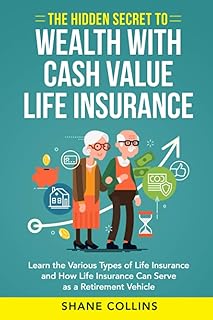
The Hidden Secret to Wealth with Cash Value Life Insurance (Rating 4.5) – Explains how cash value policies can be used as a retirement vehicle – important to know because surrender values also count as capital.
Life Insurance Made Simple (Rating 4.8) – The highest-rated on our list. Straight‑forward advice for every stage, including how payouts interact with state support.

How the Wealthy Would Grow YOUR Money (Rating 5) – A top-rated beginner’s guide that includes strategies to keep payouts outside benefit calculations.
Final Takeaway
A life insurance payout is a lifeline, not a trap. Bereavement Support Payment and Widowed Parent’s Allowance won’t be cut. But means-tested benefits like Universal Credit and Housing Benefit can be reduced or lost if your savings exceed £16,000.
The solution is simple: use a trust when you buy the policy, or spend the lump sum wisely on exempt items. For personalised advice, speak to a benefits adviser or an independent financial planner.
And if you’re still choosing a policy, check out the books above – they’ll help you make informed decisions that keep your state support intact.