 Insurance Curator
 Planning for final expenses can feel overwhelming, especially when health issues make traditional coverage hard to obtain. Guaranteed acceptance whole life insurance for seniors offers a way to secure a death benefit without medical exams or health questions. This type of policy is designed specifically for older adults who may have been turned down elsewhere.
Colonial Penn is one of the most recognized names in this space, offering plans that promise acceptance regardless of health history. Unlike term life insurance, which covers you for a set period and often requires underwriting, guaranteed acceptance whole life provides lifelong protection with fixed premiums. Whether you are looking for a policy to cover burial costs or simply want to leave a small financial legacy, understanding the details is essential.
For a broader foundation on how these policies work and how to compare options, consider the highly rated resource Life Insurance Made Simple: A Clear and Practical Guide for Every Stage of Life. This book covers everything from whole life to term insurance, helping you make an informed choice.
What Is Guaranteed Acceptance Whole Life Insurance?
Guaranteed acceptance whole life insurance is a permanent life insurance policy that does not require a medical exam or health questionnaire. Applicants between the ages of 50 and 85 are typically accepted as long as they meet age and residency requirements.
Key features include:
- No health questions or exams – Your acceptance is guaranteed regardless of pre-existing conditions.
- Lifetime coverage – The policy remains in force as long as premiums are paid.
- Fixed premiums – Your monthly or annual payment never increases.
- Cash value accumulation – Over time, the policy builds cash value that you can borrow against or withdraw.
- Graded death benefit – Most policies have a waiting period (usually 2–3 years) during which the death benefit is limited to a return of premiums plus interest, unless death is due to an accident.
The death benefit amounts are relatively small—typically between $2,000 and $25,000—making these policies ideal for covering final expenses, unpaid medical bills, or small debts. This is a key distinction from term life insurance, which often provides larger coverage for a specific period and may require you to prove insurability.
How Guaranteed Acceptance Whole Life Differs from Term Life
Understanding the differences between guaranteed acceptance whole life and term life insurance helps you choose the right protection for your situation. Below is a side-by-side comparison.
| Feature | Guaranteed Acceptance Whole Life | Term Life Insurance |
|---|---|---|
| Medical Exam | None required | Usually required for standard rates |
| Health Questions | None | Yes (full underwriting) |
| Coverage Length | Permanent (lifetime) | Temporary (10–30 years) |
| Premium | Fixed for life | Fixed for the term, then may increase |
| Cash Value | Yes (grows slowly) | None |
| Death Benefit Amount | Small ($2k–$25k) | Larger ($50k–$1M+) |
| Waiting Period | 2–3 years graded benefit | None |
| Cost per $1,000 of coverage | Higher | Lower (especially for healthy people) |
While term life insurance is a great choice for healthy seniors who need larger coverage for a limited time (like paying off a mortgage or supporting dependents), guaranteed acceptance whole life is the go-to option for those who cannot pass a medical exam and want to cover final expenses.
Why Seniors Choose Guaranteed Acceptance Policies
Many older adults face the reality that their health history—diabetes, heart disease, cancer, or even past strokes—makes traditional term life insurance either unaffordable or unavailable. Guaranteed acceptance policies remove that barrier.
Common reasons seniors opt for these plans:
- Protecting loved ones from funeral costs – The average funeral in the U.S. exceeds $7,000. A small policy can prevent family members from bearing that financial burden.
- Peace of mind – Knowing that a policy is in place, no matter what health issues arise, reduces stress.
- No risk of denial – For those with chronic conditions or a history of serious illness, this is often the only option.
- Simple application process – No doctor visits, no blood tests, just a quick form.
Colonial Penn’s guaranteed acceptance plan, for example, offers coverage starting at just $9.95 per month for a limited initial benefit, then grows over time. This makes it accessible even on a fixed retirement income.
The Role of Colonial Penn in Guaranteed Acceptance Life Insurance
Colonial Penn has been a household name in life insurance for seniors for decades. Their guaranteed acceptance whole life insurance is one of the most advertised products on television and online. The company focuses on simplicity: you cannot be turned down due to age or health.
How Colonial Penn’s plan works:
- You choose a coverage amount (typically from $2,000 to $25,000).
- Your premium is based on your age and the face amount you select.
- There is a two-year graded benefit period. If you pass away from natural causes during that time, beneficiaries receive only the premiums paid plus interest. If the death is accidental, the full benefit is paid immediately.
- After the two-year period, the full death benefit is payable regardless of cause.
Colonial Penn also offers a “$9.95 plan” where the initial coverage amount is smaller but remains affordable. Over time, the policy builds cash value that you can borrow against.
Because Colonial Penn is such a major player in this niche, many seniors start their search with a Colonial Penn quote. However, it’s always wise to compare offers from multiple insurers, especially if you are considering alternative options like direct-to-consumer life insurance providers. For a detailed look at the pros and cons of buying directly, read our guide on Direct-to-consumer Life Insurance: Pros and Cons for Seniors.
Things to Watch Out For (Pros and Cons)
No financial product is perfect. Guaranteed acceptance whole life insurance has clear advantages, but also some drawbacks you must consider.
Pros
- Guaranteed acceptance – No health questions mean anyone can qualify.
- Lifelong coverage – As long as you pay premiums, the policy remains active.
- Fixed premiums – Your payment never changes, which is helpful on a fixed income.
- Cash value – Although it grows slowly, you can borrow against it if needed.
- Easy application – Simple forms, no medical appointments.
Cons
- Graded death benefit – If you die from natural causes within the first two to three years, the payout is limited. This is a major risk for those with serious illnesses.
- Higher premiums per dollar of coverage – Compared to term life insurance for healthy people, guaranteed acceptance is expensive.
- Low maximum coverage – Typically capped at $25,000, which may not be enough for larger estate planning needs.
- Inflation risk – A fixed $10,000 benefit will be worth less in 20 years due to rising costs.
Before committing, consider whether you might qualify for a simplified issue whole life policy, which asks a few health questions but still requires no exam. These often have no waiting period and lower costs. Many insurers offer such plans through direct channels. Explore our breakdown of Affordable No-exam Life Insurance for Seniors on a Budget to see if that route might work for you.
Who Should Consider This Type of Insurance?
Guaranteed acceptance whole life is not for everyone. It is best suited for:
- Seniors aged 50–85 who have been declined for other types of life insurance.
- Individuals with serious health conditions like heart disease, cancer, or diabetes.
- Those who only need a small policy to cover burial and final expenses.
- People who want a simple application without medical exams or blood tests.
If you are still relatively healthy and can qualify for a term life policy at a reasonable rate, term insurance will usually give you more coverage for the same premium. However, if your health is compromised or you simply want the peace of mind that comes with guaranteed acceptance, this product is a solid choice.
For those who need just a small death benefit without the waiting period, consider Small Face Amount Life Insurance Policies for Seniors, which often have lower premiums than guaranteed acceptance plans and no graded benefit.
How to Apply for Guaranteed Acceptance Life Insurance
The application process is straightforward and can often be completed online or over the phone in minutes.
Step-by-step:
- Compare quotes – Check rates from Colonial Penn and a few other top-rated companies. Remember that premiums vary by age and coverage amount.
- Choose your benefit amount – Decide how much coverage you need to cover funeral costs, medical bills, or other final expenses.
- Fill out the application – Provide your name, address, date of birth, and beneficiary information. You will not be asked any health questions.
- Review the policy details – Pay attention to the graded benefit period and what triggers immediate full payment (usually accidental death).
- Make the first premium payment – Once paid, coverage begins immediately (subject to the waiting period).
Since no medical questions are involved, there are no exam delays or underwriting hurdles. This is one of the fastest ways to secure life insurance later in life. For a broader look at policies that skip the health questions entirely, check out How to Apply for Life Insurance Without Medical Questions?.
Expert Insights: Is Guaranteed Acceptance Right for You?
Industry experts agree that guaranteed acceptance whole life insurance serves a very specific purpose: it is the safety net for seniors who have no other options. The trade-off is cost versus certainty.
Key considerations from financial planners:
- If you have a terminal illness, the graded benefit period could mean your beneficiaries receive very little if you die within two years. In that case, look for a policy with a shorter waiting period or consider a prepaid funeral plan.
- The cash value accumulation is extremely slow. Do not rely on it as a savings vehicle; treat it only as death benefit protection.
- Always read the fine print about what constitutes “natural causes” versus “accidental death.” Some policies pay full benefits immediately for accidents.
- Compare the total premium you will pay over your life expectancy with the death benefit. If you live many years, you might pay more in premiums than the benefit itself. That is not necessarily bad—it is the cost of guaranteed coverage.
For a deeper dive into how life insurance can be used strategically (including cash value for retirement), consider reading Life Insurance 101: The Basics of Life Insurance Explained. This book earned a 4.1 rating from users and clarifies many common misconceptions. You can find it here: Life Insurance 101: The Basics of Life Insurance Explained.
Another top-rated resource is Life Insurance Made Simple: A Clear and Practical Guide for Every Stage of Life with a 4.8 rating. It covers whole life, term, and the nuances of guaranteed acceptance policies in easy-to-understand language.
Recommended Resources to Learn More
Whether you are an agent looking to deepen your knowledge or a senior researching your options, these books offer valuable insights. They complement the information in this article and help you make an educated decision.
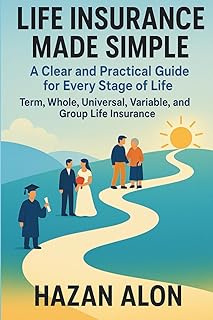
Life Insurance Made Simple: A Clear and Practical Guide for Every Stage of Life – Price: $34.99 – Rating: 4.8

Life Insurance 101: The Basics of Life Insurance Explained – Price: $14.95 – Rating: 4.1
Both books explain the difference between term and whole life, how guaranteed acceptance plans operate, and practical steps for choosing the right coverage. Below is a comparison to help you decide which to read first.
| Feature | Life Insurance Made Simple | Life Insurance 101 |
|---|---|---|
| Price | $34.99 | $14.95 |
| Rating | 4.8 (34 reviews) | 4.1 (8 reviews) |
| Pages/Length | Comprehensive guide | Concise overview |
| Best For | Readers wanting a thorough, stage-by-stage plan | Quick, foundational knowledge |
| Buy Link | Buy at Amazon | Buy at Amazon |
Both are excellent resources. If you are just starting, Life Insurance 101 gives you a fast introduction. If you want to dive deep, Life Insurance Made Simple offers more detail and real-life examples.
Frequently Asked Questions (FAQ)
Does guaranteed acceptance whole life insurance have a waiting period?
Yes, most policies have a graded death benefit period of two to three years. During that time, if you die from natural causes, the beneficiary receives only the premiums paid plus interest. Full coverage typically begins after the waiting period.
Can I get a policy if I am over 80?
Yes, many insurers offer guaranteed acceptance plans for applicants up to age 85. Some even go to age 90. Age limits vary by company.
How do I know if Colonial Penn is the best option?
Colonial Penn is a reputable provider, but it is wise to compare quotes from at least two or three companies. Other insurers may offer lower premiums or a shorter waiting period.
What happens if I stop paying premiums?
If you stop paying, the policy will lapse. However, if it has built up cash value, that value may be used to keep the policy active for a time. You can also surrender the policy for its cash value.
Is guaranteed acceptance whole life insurance worth it?
For seniors who cannot qualify for other coverage due to health issues, it is almost always worth it because it guarantees a death benefit. For those in good health, term or simplified issue policies offer more value per dollar.