 Insurance Curator
As a parent, your number one priority is ensuring your children have a secure future—even if you’re no longer around. Life insurance isn’t just about replacing your income; it’s about funding their biggest milestones: school fees, university, a first home. In the UK, these costs can easily top £100,000 per child. Without proper planning, your family could be left struggling to afford the opportunities you dreamed of giving them.
This article will walk you through the real costs of raising a child in the UK, from private schooling to university and beyond. We’ll show you exactly how to factor these into your life insurance sum, using practical tools like the DIME method. Plus, we’ll recommend resources—like the Money. Wealth. Life Insurance. book—that can help you build a smarter financial safety net.

The True Cost of Schooling in the UK
Whether you choose state or private education, the expenses add up. Private school fees in the UK average £15,000 per year per child, according to the Independent Schools Council. Boarding schools can exceed £40,000 annually. In London and the South East, fees are often 20–30% higher.
But even state school children cost money: uniforms, school trips, extracurricular activities, and tutoring. Over a child’s school life (ages 4–18), these extras can total £10,000–£20,000. If you plan to cover these costs with life insurance, you need to include them in your cover target.
- Private day school (11 years): £165,000 per child
- Boarding school (7 years secondary): £280,000+
- State school extras (14 years): £15,000
When calculating your life insurance sum, multiply these figures by the number of children you have. Don’t forget inflation—use an index-linked policy or adjust your sum annually. For more detail, read our guide on Inflation-proofing Your Life Insurance: Should You Choose Index-linked Cover?.
University Costs: The Big Ticket
University is often the most significant future expense. UK tuition fees cap at £9,250 per year, but living costs vary hugely. Outside London, a student needs around £12,000–£15,000 per year for accommodation, food, and transport. In London, that figure jumps to £18,000+.
A standard three-year degree therefore costs between £60,000 and £75,000 per child. Medical or veterinary degrees (five years) push that above £120,000. If you want your child to graduate debt-free, your life insurance needs to cover these amounts.
City comparison (living costs per year):
| City | Average annual living costs (student) |
|---|---|
| London | £18,000 – £20,000 |
| Manchester | £12,000 – £14,000 |
| Birmingham | £11,500 – £13,500 |
| Edinburgh | £13,000 – £15,000 |
| Cardiff | £10,000 – £12,000 |
Factor in the number of children and the likelihood of postgraduate study (another £10,000–£30,000). Use our step-by-step framework: How to Calculate Your Ideal Life Insurance Amount: a Step-by-step Uk Framework? to get your precise figure.
Beyond Uni: Weddings, House Deposits, and First Cars
Many parents dream of helping their children onto the property ladder. The average first-time buyer deposit in the UK is now £53,000—and over £100,000 in London. Weddings cost an average £30,000. Even a used car can be £5,000–£10,000.
While these are optional, they represent the kind of financial support many families want to guarantee. If you include them in your life insurance sum, you give your children a head start even if you’re gone.
- House deposit (average UK): £53,000
- Wedding (average): £30,000
- First car + insurance: £8,000
Add these to your education total. That could mean £150,000–£250,000 per child in total future costs. Without life insurance, these dreams may vanish.
How to Factor These into Your Life Insurance Sum
The most reliable way to estimate your cover is the DIME method (Debt, Income, Mortgage, Education). Here’s how it applies to children’s future costs:
- Debt: Include any outstanding loans or credit cards—if you die, your children shouldn’t inherit your debt.
- Income: Replace your earnings until your youngest turns 18 (or 23 if they go to uni). Multiply your annual salary by the number of years.
- Mortgage: Ensure the mortgage is fully paid off so your family has a secure home.
- Education: Add up school fees + university + deposits for each child.
For a more detailed breakdown, see Using the Dime Method and Other Rules of Thumb to Estimate Life Cover in the Uk.
Example calculation for one child in London:
- Private school (11 years): £180,000
- University (3 years, London): £75,000
- House deposit: £100,000
- Total education/future costs: £355,000
Add that to mortgage (£300,000) and income replacement (5x salary = £250,000), and your total life insurance need could be £905,000. That’s not unrealistic for a professional family.
Product Spotlight: Smart Life Insurance Planning Resources
To help you design a policy that covers these costs, consider two excellent guides. First, the Life Insurance Made Simple book is a step-by-step roadmap for families—perfect for understanding how to tailor a policy to your children’s future.

Second, The Hidden Secret to Wealth with Cash Value Life Insurance explains how you can use a whole life policy as a savings vehicle. This “banking” approach builds cash value that can be borrowed tax-free for school fees or a house deposit—a smart way to cover future costs while you’re still alive.
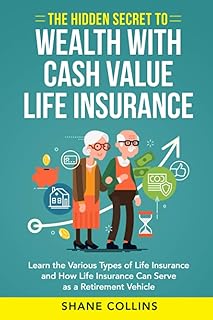
Both books are available on Amazon and can transform your approach to life insurance.
City-Specific Considerations
Children’s future costs vary dramatically by location. Here’s a quick comparison for a family with two children:
| City | Private school (11 years x2) | Uni living costs (3 years each) | House deposits (2 children) | Total education + future |
|---|---|---|---|---|
| London | £360,000 | £108,000 | £200,000 | £668,000 |
| Manchester | £300,000 | £78,000 | £100,000 | £478,000 |
| Birmingham | £280,000 | £75,000 | £90,000 | £445,000 |
| Edinburgh | £330,000 | £84,000 | £110,000 | £524,000 |
These figures highlight why a one-size-fits-all policy won’t work. You need to tailor your cover to your city and lifestyle. For dual-income families, see our guide: How Dual-income Families Should Split Life Insurance: Fair Shares and Overlap?.
Final Thoughts: Protect Their Future, No Matter What
Children’s future costs are too large to ignore when calculating life insurance. By adding school fees, university, and major life milestones into your sum, you ensure your family can continue living the life you planned for them.
Start today by using the interactive tool in our content pillar: “Interactive: How Much Life Insurance Do You Really Need?” Then review your policy after every major life event—marriage, a new child, a house move. For a practical checklist, read Reviewing Your Life Insurance Amount after Major Life Events: a Practical Checklist.
Your children’s dreams are worth protecting. Give them the gift of a secure future, no matter what happens.