 Insurance Curator
 Are you looking for a career that offers unlimited earning potential, flexible hours, and the chance to make a real difference in people’s lives? Entry-level life insurance sales jobs with no experience required are more common than you think. Insurance companies across the country actively hire people from all backgrounds—teachers, retail workers, veterans, and recent graduates—and train them from scratch.
The secret? Term life insurance is one of the simplest and most affordable products to sell. You don’t need a finance degree or a decade of sales experience. You just need the right mindset, a license (which many employers help you get), and a willingness to learn.
In this comprehensive guide, we’ll walk you through everything you need to know about landing your first life insurance sales role, what to expect, how to earn a great income, and the best resources to accelerate your success. Let’s dive in.
What Exactly Are Entry-Level Life Insurance Sales Jobs?
An entry-level life insurance sales job typically refers to a position where you sell life insurance policies — most commonly term life insurance — to individuals and families. Your title might be insurance agent, producer, or sales representative.
Many companies hire people with zero experience because they provide extensive training. You’ll learn about policy types, underwriting, objections handling, and compliance. Your employer may even sponsor you to take the state licensing exam.
- Captive agents work for one insurance carrier exclusively.
- Independent agents or brokers represent multiple companies.
Both paths offer entry-level opportunities. Captive roles often include a salary during training; independent roles usually start on commission but give you more product flexibility.
If you’re curious about the difference between the two models, check out this in-depth comparison: Life Insurance Sales Jobs: Independent Agent vs Captive Agent.
Why No Experience Is Required
Insurance companies know that the best salespeople are made, not born. Personality traits like empathy, persistence, and good communication matter far more than previous job titles.
Here’s why so many firms open their doors to newcomers:
- Comprehensive training programs – Many carriers run week-long training schools followed by field mentoring.
- Licensing support – They provide study materials and reimburse exam fees.
- Lead generation tools – You often get free leads or warm transfers from the carrier.
- Straightforward product – Term life insurance is easy to understand and explain. Compare it to whole life or universal life — the sales process is much faster.
As a beginner, you can start with term life policies because they are simple and affordable. Clients appreciate the clarity, and you build confidence quickly.
How to Get Licensed for Entry-Level Life Insurance Sales
Before you can sell life insurance, you must hold a state-issued life insurance license (usually combined with health insurance). Most employers require you to get this license before or during your first weeks on the job.
Step 1: Meet basic requirements
You must be at least 18 years old, a legal resident of the state, and have no disqualifying criminal record.
Step 2: Complete pre-licensing education
Each state mandates a certain number of hours of study. You can take courses online or in person.
Step 3: Pass the state licensing exam
The exam covers life insurance fundamentals, policy types, regulations, and ethics. Many people pass it after two to four weeks of dedicated study.
Step 4: Get appointed with an insurance company
Your employer will help you become appointed, which is a legal requirement to sell their policies.
To ace the exam, you need solid study materials. One of the top resources is the Life and Health Insurance License Study Cards set, which includes practice test questions in full color.

These cards are designed to reinforce key concepts through repetition — a proven method for exam success. They cover everything from policy provisions to state regulations.
Skills You Need to Succeed (Even with No Experience)
While education and licensing get you in the door, your soft skills determine how long you stay. Here are the most important abilities for entry-level life insurance sales jobs:
Active Listening
You must understand what your client truly needs. Term life insurance is about protection, not investment. Asking the right questions builds trust.
Time Management
You’ll juggle prospecting, calls, appointments, and paperwork. Successful agents structure their day and stick to a schedule.
Resilience
Rejection is part of the game. The best agents bounce back quickly and focus on the next opportunity.
Product Knowledge
You don’t need to be an expert on day one, but you should keep learning. Reading books on life insurance can give you an edge. For example, Life Insurance 101: The Basics of Life Insurance Explained is a quick read that covers everything a new agent needs.

This book explains term versus permanent, riders, beneficiaries, and how to determine coverage amounts. It’s an excellent starting point.
If you are a career changer over 40, you might also want to read: Best Life Insurance Sales Jobs for Career Changers over 40.
Day-to-Day of an Entry-Level Life Insurance Agent
A typical day varies depending on whether you work in an office or remotely, but here’s a snapshot:
- Morning – Review lead list, make calls, set appointments.
- Midday – Meet with clients (in person or via video call) to discuss their term life insurance needs.
- Afternoon – Follow up on pending applications, send quotes, handle paperwork.
- Evening – Attend training webinars or study for advanced designations.
Some agents also use offline marketing tools like yard signs or banners to generate local leads. A popular choice among new agents is the Life Insurance Now Open Extra Large 13 oz Banner with metal grommets for high visibility.

Hanging a banner near your office or at local events can drive walk-in traffic. It’s a low-cost way to get your name out.
Earning Potential: How Much Can You Make?
Entry-level life insurance sales jobs are often 100% commission, though some companies offer a base salary for the first few months. Commission rates for term life insurance typically range from 50% to 90% of the first-year premium, plus renewals in subsequent years.
Here’s a realistic example:
- You sell a 20-year term policy with a $500,000 death benefit. The annual premium is $400.
- First-year commission at 80% = $320.
- Renewal commission in year two = 10% = $40.
If you sell 10 policies per month, that’s $3,200 per month in first-year commissions, plus residual income from previous sales. Top producers earn six figures within two to three years.
Many agents also sell other products like health insurance or annuities to increase income. But term life remains the easiest entry point.
Resources for New Agents: Books That Make a Difference
Continuous learning separates top agents from average ones. Here are two highly rated books that every new life insurance agent should read.
The first is Life Insurance 101: The Basics of Life Insurance Explained — perfect for building foundational knowledge.
The second is Life Insurance Made Simple: A Clear and Practical Guide for Every Stage of Life, which walks through real-world scenarios and policy comparisons.
| Product | Price | Rating | Image | Buy at Amazon |
|---|---|---|---|---|
| Life Insurance 101 | $14.95 | 4.1 |  |
Buy Now |
| Life Insurance Made Simple | $34.99 | 4.8 | 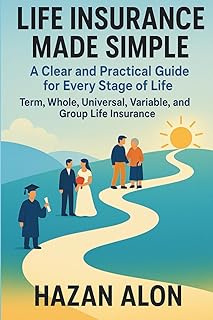 |
Buy Now |
Both books are available on Amazon and will give you a solid understanding of term life insurance sales. Investing in a few good books early on pays for itself many times over.
Common Challenges and How to Overcome Them
Even with no experience required, you’ll face obstacles. Here are the top three and how successful agents handle them.
1. Rejection
You will hear “no” a lot. The key is to detach emotionally and see every no as a step closer to a yes. Role-play objections with a mentor.
2. Licensing Exam Anxiety
The exam seems intimidating, but consistent study for two weeks is usually enough. Use the Life and Health Insurance License Study Cards to drill key facts. The repetition builds confidence.
3. Finding Clients
Many entry-level agents struggle with leads. If your company doesn’t provide them, you can buy leads, network in your community, or use social media. Consider a yard sign for local visibility. The Insurance Life Health Medicare Low Rates 18″ x 24″ yard sign with metal step stake is an affordable option to attract foot traffic.

Place it at high-traffic intersections with your phone number. It generates steady calls.
How to Find Entry-Level Life Insurance Sales Jobs
Now that you know what the job entails, where do you look?
- Online job boards – Indeed, LinkedIn, and Glassdoor list thousands of openings. Search for “life insurance agent trainee” or “entry-level insurance sales.”
- Insurance company career pages – Companies like New York Life, Prudential, and Mutual of Omaha have dedicated career portals.
- Local independent agencies – Small agencies often hire eager new agents and provide hands-on training.
Make sure your resume highlights transferable skills like customer service, sales (even retail), and communication.
For more specific job search strategies, read these guides:
- How to Find Life Insurance Sales Jobs with Flexible Hours?
- Remote Life Insurance Sales Jobs: Top Companies Hiring Now
Frequently Asked Questions
What is the minimum age for entry-level life insurance sales jobs?
You must be at least 18 years old. Some states require you to be 18 or 21 to hold a license; check your state’s insurance department.
Do I need a college degree to get hired?
No. Most insurance companies do not require a degree. Successful agents come from all educational backgrounds.
How long does it take to get licensed?
The pre-licensing course takes about 20–40 hours. Most people complete it in 1–3 weeks. Then you schedule the exam, which lasts 1.5–2 hours.
Can I work part-time in life insurance sales?
Yes. Many entry-level positions offer flexible hours. You can start part-time while keeping another job. Check out the article on flexible hours linked above.
What is the average first-year income for a new agent?
First-year incomes vary widely. Full-time agents often earn between $30,000 and $60,000 in their first year. Top performers can exceed $100,000.
How do I get customers if I have no experience?
Your employer may supply leads. You can also use online lead generation, buy leads from vendors, or market through local ads like yard signs. Networking with friends and family is also a common starting point.
Start Your Journey Today
Entry-level life insurance sales jobs with no experience required are real, accessible, and potentially lucrative. If you are willing to learn, get licensed, and put in the effort, you can build a rewarding career selling term life insurance — a product that protects families and gives you financial freedom.
Take the first step today: explore job listings, grab a study guide for your license, and invest in reading a few foundational books. The industry needs more dedicated agents, and there’s no better time to start than now.