 Insurance Curator
When a heart attack strikes or cancer is diagnosed, the last thing anyone wants is a denial letter from their insurer. Yet thousands of critical illness claims are paid every year in the UK – and the stories behind them share striking similarities. From a builder in Manchester to a lawyer in London, successful claimants didn’t just get lucky. They followed a playbook that maximised their chances of a payout. If you hold critical illness cover alongside your life insurance, understanding these patterns could mean the difference between financial security and a prolonged battle.
What Makes a Critical Illness Claim Successful?
Every UK insurer pays out the majority of claims it receives – the Association of British Insurers reports that over 90% of critical illness claims are accepted. But the small percentage that fail often share the same mistakes. By studying the common denominators of successful claims, you can tilt the odds heavily in your favour.
Full and honest disclosure from day one
The number one reason claims are declined? Non-disclosure. When you applied for your policy, any missed medical history – even a minor issue from years ago – can come back to bite you. Successful claimants are the ones who were transparent about smoking, family history, and pre-existing conditions. They treated the application form like a legal document.
Meeting the precise medical definition
Critical illness policies contain very specific definitions for each condition. A “heart attack” isn’t just any cardiac event – it must meet certain criteria. Claimants who succeed have usually discussed these definitions with their broker before a crisis hits. They know, for example, that some policies require a certain level of troponin in the blood.
Keeping meticulous records
Doctors’ notes, test results, hospital admission papers – successful claimants maintain a paper trail. When a diagnosis comes, they immediately request copies of all medical records. This speeds up the claims process and leaves no room for ambiguity.
Real-Life Lessons from Successful Claimants
Let’s look at a few anonymised stories that highlight what works.
The London lawyer who survived a stroke – Sarah, a 42-year-old solicitor, had a combined life and critical illness policy. When she suffered a stroke, her claim was paid in three weeks. Her secret? She had read the policy’s definition of “stroke” and ensured her neurologist’s report explicitly used the required terminology.
The Birmingham factory worker with cancer – John was diagnosed with stage 2 bowel cancer. His critical illness cover paid out £50,000 tax-free. He had declared his occasional back pain on the application, which turned out to be unrelated. Because he was honest from the start, the insurer never questioned his claim.
The self-employed electrician in Cardiff – Mark had added children’s critical illness cover to his policy. When his daughter was diagnosed with leukaemia, the family received a lump sum that covered hospital stays and time off work. The key? He had updated his policy when his family expanded.
Common Factors Across Successful Claims
Based on industry data and expert interviews, here’s what nearly every successful claim shares:
| Factor | Why It Matters |
|---|---|
| Complete disclosure on application | Eliminates grounds for declinature |
| Understanding policy definitions | Ensures medical evidence matches the criteria |
| Using an independent broker | Brokers help interpret complex wording |
| Prompt notification after diagnosis | Avoids time-related exclusions |
| Keeping a medical file | Speeds up the assessment process |
Why Critical Illness Cover Is a Supercharged Life Insurance Add-On
Life insurance pays out when you die – critical illness cover pays out while you’re still alive, often with a lump sum that can be used for anything: mortgage payments, home adaptations, or private treatment. This is why it’s described as a “supercharged add-on.” You get the death benefit plus a living benefit.
But the power of this combination depends on the quality of your policy. A budget policy might exclude dozens of conditions, while a comprehensive one covers the most common claims. The difference in price is often surprisingly small. For a deeper understanding of how the wealthy use life insurance as a financial tool, consider reading Money. Wealth. Life Insurance. – it explores how cash value life insurance can also serve as a tax-free savings vehicle alongside critical illness protection.

How to Set Yourself Up for a Successful Claim
You don’t need to wait for a diagnosis to act. Follow these steps now to protect your future claim.
- Read your policy definitions – Know exactly what constitutes a covered heart attack, stroke, or cancer. If anything is unclear, ask your insurer or broker.
- Inform your doctor – Many GPs are unaware of insurance definitions. When you’re diagnosed, hand them a copy of the relevant page from your policy.
- Keep your application records – Save a copy of your original application. This proves what you disclosed.
- Review your cover annually – As your health or lifestyle changes, update your policy. Adding a spouse or child, or changing jobs, may affect your risk profile.
- Work with a specialist broker – Brokers who focus on protection insurance know which insurers are lenient on certain conditions.
If you are self-employed, critical illness cover becomes even more vital. It replaces lost income during recovery. Many self-employed professionals in cities like Glasgow and Bristol have used payouts to keep their businesses afloat.
UK-Specific Considerations for Critical Illness Claims
The UK market has its own quirks. For example, policies from different insurers vary dramatically in how they define “full recovery” or “permanent symptoms.” While a standardised definition exists for some conditions (like the UK’s Financial Conduct Authority rules), others remain up to each provider.
Londoners often have access to top private hospitals, but a claim can still be delayed if the insurer requires reports from specific specialists. In cities like Manchester and Birmingham, local claim handlers may be more familiar with regional NHS pathways. The lesson is the same: promptness and clarity beat hesitation.
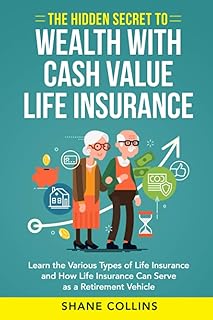
For those interested in the broader strategy of using life insurance as a wealth-building tool, The Hidden Secret to Wealth with Cash Value Life Insurance offers a detailed roadmap. It explains how cash value policies can complement critical illness cover, creating a financial safety net that grows over time.
Final Lessons: The Common Thread
Every successful critical illness claim shares one undeniable trait: preparation. The claimant knew what their policy covered, they had disclosed everything, and they acted quickly when symptoms appeared. They didn’t treat their policy as a dusty document – they treated it as a contract that needs to be understood.
Whether you live in a bustling city like London or a smaller town in Scotland, the same principles apply. Critical illness cover, when added to your life insurance, transforms a simple death benefit into a living safety net. It’s the supercharged add-on that can catch you when life takes an unexpected turn.
If you haven’t reviewed your policy in the last year, now is the time. Pull out that document, check the definitions, and ensure your disclosure is complete. Your future self will thank you.