 Insurance Curator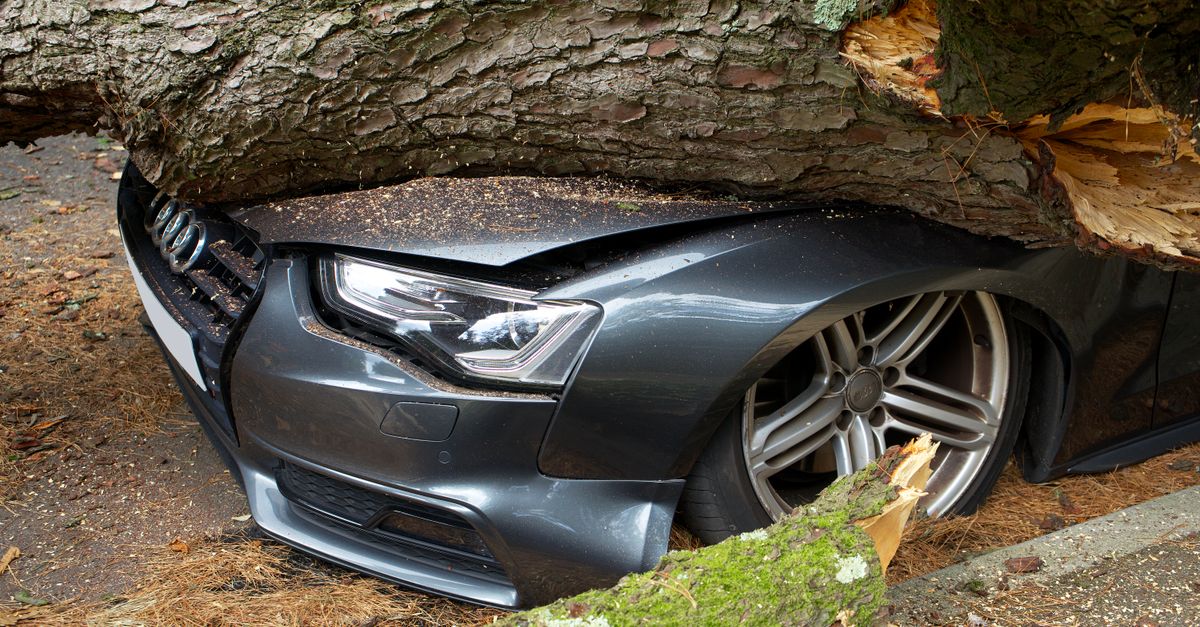
Car insurance is one of those topics that can feel overwhelming the moment you see a list of unfamiliar terms. Comprehensive, collision, liability, full coverage, deductibles — it is easy to get lost in the jargon and wonder if you are paying for protection you do not need or skipping cover that could save you thousands. We are here to clear up the confusion.
This guide breaks down comprehensive vs collision insurance in plain English, so you can make an informed decision that balances cost and peace of mind. By the end, you will know exactly what each policy does and how to choose the right combination for your budget.
What Is Comprehensive Insurance?
Comprehensive insurance protects your vehicle against damage that happens outside of a crash with another car. Think of it as the “everything else” coverage that steps in when your car is harmed by something other than a collision on the road.
This is where coverage gets surprisingly broad. Comprehensive commonly pays for damage caused by:
- Theft and vandalism
- Weather events like hail, floods, hurricanes, or tornadoes
- Fires and explosions
- Falling objects such as tree branches or debris
- Animal strikes like hitting a deer
Comprehensive coverage does not cover damage from a typical car accident with another vehicle, and it does not cover your own injuries. It also will not pay for mechanical breakdowns or regular wear and tear. The policy is designed around auto damage protection that is sudden and accidental, not maintenance-related.
What Is Collision Insurance?
Collision insurance handles damage to your car when it hits another vehicle or an object, regardless of who is at fault. If you rear-end a sedan, crash into a guardrail, or sideswipe a parked car, collision coverage helps pay to repair or replace your vehicle.
This is especially valuable if you are involved in an at-fault accident. Liability insurance covers the other person’s damages, but it will not pay a cent for your own repairs. Collision coverage is the piece that protects your car in those situations.
Many drivers ask whether collision is mandatory. Technically, most states only require liability insurance, but auto lenders and leasing companies usually require both comprehensive and collision until the loan is paid off. In practice, collision is essential for anyone who cannot afford to absorb the cost of a wreck on their own.
Comprehensive vs Collision Insurance: Key Differences at a Glance
| Feature | Comprehensive Coverage | Collision Coverage |
|---|---|---|
| What it pays for | Non-collision damage | Collision damage |
| Common examples | Theft, vandalism, hail, falling objects, animal strikes | Hitting a car, tree, guardrail, or pothole |
| Fault requirement | Not fault-based | Not fault-based |
| Required by lenders? | Usually yes for leased or financed cars | Usually yes for leased or financed cars |
| Typical cost | Generally lower premium | Generally higher premium |
| Deductible applies | Yes | Yes |
The biggest difference comes down to cause. If the damage happened while driving and the car made contact with something, it is usually collision. If the damage happened from weather, theft, or a stray deer, it falls under comprehensive.
For a deeper look at evaluating protection options side by side, our guide on how to compare personal insurance policies: features, costs, and coverage explained walks through the decision process in detail.
What Is Full Coverage Car Insurance?
“Full coverage” is a phrase you will hear often, but it is not an actual insurance product. It is simply a shorthand for liability insurance + comprehensive + collision coverage bundled together.
This combination gives you broad protection: liability pays for injuries and damage you cause to others, comprehensive covers non-crash damage to your car, and collision covers crash damage to your car. For most people with a newer vehicle or an outstanding loan, full coverage is the safest route.
Do You Need Both Comprehensive and Collision Coverage?
The short answer: It depends on your vehicle and financial situation. There is no universal rule that works for everyone.
You should strongly consider carrying both if:
- You have a car loan or lease. Lenders will almost certainly require it.
- Your car is relatively new or worth significant money. Repairing or replacing it would strain your finances.
- You rely on your car daily and cannot afford a major out-of-pocket repair.
You might consider dropping one or both if:
- Your car is old and worth only a few thousand dollars. If the annual premium costs more than the car’s value, coverage may not make financial sense.
- You have enough savings to absorb the cost of a replacement vehicle without hardship.
Consumer advocates often point out that insurance is about protecting against financial devastation, not every minor expense. As money expert Martin Lewis has frequently reminded us, the goal is to insure what you could not afford to replace yourself.
Is It Better to Have a $500 Deductible or $1,000?
This is one of the most common questions in auto insurance, and the right answer depends on how much risk you can comfortably handle.
A $1,000 deductible means lower monthly premiums, while a $500 deductible means higher premiums but less money out of pocket when you file a claim. Here is a practical way to think about it:
- If you have a solid emergency fund and rarely file claims, a higher deductible can save you money over time.
- If a sudden repair bill would be a serious hardship, a lower deductible provides more financial breathing room.
- Compare the annual premium savings against the extra $500 you would pay upfront. If you save $200 per year, the higher deductible may pay off within a few years of accident-free driving.
Consider your own driving habits and budget. For guidance on building financial buffers around household expenses, our article on maximize value: choosing the best personal insurance plans for your budget offers useful strategies.
Is Hitting a Mailbox Comprehensive or Collision?
This is a classic test question that confuses many drivers. If you are driving and hit a mailbox, that is collision coverage. Your car made contact with an object, so the damage is treated as a collision claim.
However, scenarios can get trickier. If a mailbox is blown over by wind and lands on your parked car, that would likely be comprehensive coverage, since the damage did not come from driving impact.
Here is a simple mental shortcut:
- The car was moving and hit something → collision
- Something hit the car, or damage occurred while parked → comprehensive
If you are ever unsure, your insurance agent can help determine which coverage applies. Your insurer may also ask for details about how the damage happened, so be prepared to explain the situation clearly.
At What Point Should I Drop Collision Coverage?
There comes a time in every car’s life when comprehensive and collision coverage stop being worth the cost. The turning point usually comes when your car’s value is too low to justify the premium.
A common rule of thumb:
- Find your car’s current market value. Online valuation tools can help.
- Multiply your annual collision premium by roughly 10. This represents your likely long-term cost.
- If the premium exceeds about 10% of the car’s value, you may be better off dropping collision coverage.
For example, if your car is worth $3,000 and collision costs $500 per year, you would need to go about six years without a major accident before the coverage pays for itself. In that case, setting the money aside for a future replacement vehicle is often wiser.
Before dropping any coverage, make sure your car is fully paid off. Lenders do not allow you to remove collision or comprehensive until the loan is satisfied.
Common Myths About Comprehensive and Collision Insurance
Misinformation about auto insurance is everywhere, and believing the wrong thing can cost you real money. Let’s set the record straight.
- Myth: Comprehensive covers everything. Reality: It only covers non-collision events like theft, weather, and animal strikes. It excludes normal wear and tear.
- Myth: Collision is optional for everyone. Reality: Many lenders and lease agreements require it. It is only truly optional once you own the car outright.
- Myth: Full coverage means every possible expense is covered. Reality: “Full coverage” is loose terminology for liability, comprehensive, and collision — it still has exclusions and deductibles.
- Myth: Your rates go up every time you file a claim. Reality: Not always. Claims where you are not at fault, like hail or theft, may not raise your premium in every state.
Understanding these misconceptions helps you choose coverage based on facts, not fear. If you are evaluating broader personal insurance choices, our comprehensive buyer’s checklist for personal insurance products is worth reviewing.
Frequently Asked Questions
Do you need both comprehensive and collision coverage?
Not always. If you have a car loan or lease, your lender will likely require both. If you own your car outright and it has low market value, you may choose to drop one or both to save money. The key is balancing the cost of coverage against your ability to pay for repairs or a replacement out of pocket.
Is it better to have a $500 deductible or $1000?
A $1,000 deductible means lower premiums, while a $500 deductible means less out-of-pocket cost when you claim. Choose the $1,000 deductible if you have enough savings to absorb the extra cost and want to save on monthly premiums. Choose the $500 deductible if a larger surprise bill would be difficult for you to manage.
Is hitting a mailbox comprehensive or collision?
Hitting a mailbox while driving is considered a collision claim because your car made contact with an object. If something hits your parked car, like a falling branch or another vehicle, that would generally fall under comprehensive coverage.
At what point should I drop collision coverage?
A common guideline is to drop collision coverage when your annual premium is more than 10% of your car’s current market value. For example, if your car is worth $2,500 and collision costs $400 per year, the coverage may no longer be worth the expense. Just remember to keep collision until your vehicle is paid off if you have a loan.
Final Advice: Build Your Coverage Around Your Real Needs
Choosing between comprehensive and collision coverage does not have to be complicated once you understand what each policy actually does. Comprehensive protects your car from the unexpected world around it, while collision protects your car from the consequences of driving itself.
The wisest approach is to look at your car’s age, value, and your personal savings before deciding. A newer financed vehicle calls for both, while an older paid-off car might only make sense for liability-only coverage. When in doubt, talk to an insurance professional who can review your specific situation and help you weigh the costs.
Ultimately, the best insurance plan is the one that keeps you protected without draining your budget. Take the time to compare quotes, choose deductibles you can live with, and revisit your policy at least once a year — because your needs and your car’s value will change over time.