 Insurance Curator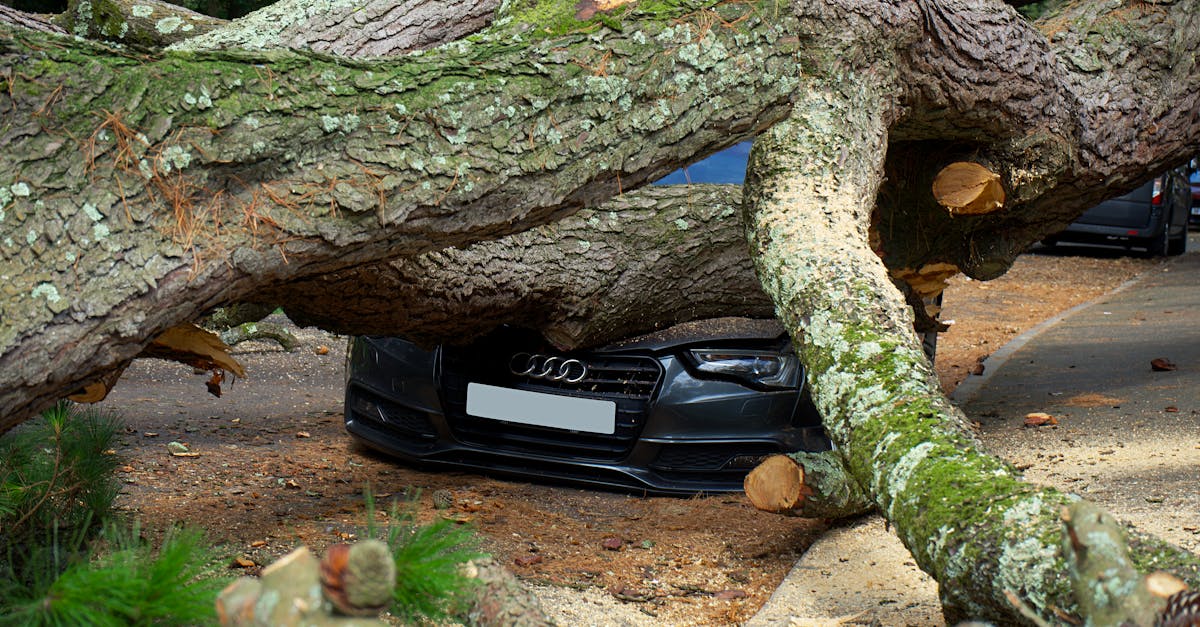
Auto insurance can feel like a maze of confusing terms, but two of the most misunderstood pieces of your policy are collision and comprehensive coverage. We’ll break down exactly what each pays for, bust the common myths, and show you when carrying both actually makes sense. By the end, you’ll feel confident deciding what’s right for your car, your budget, and your peace of mind.
What Is Collision Coverage?
Collision coverage pays to repair or replace your own vehicle when it’s damaged in a crash — whether you hit another car or a stationary object. It applies regardless of who’s at fault, which is why lenders almost always require it when you finance or lease a car.
Common collision claims include:
- Rear-ending another vehicle at a stoplight
- Side-swiping a guardrail or parking garage pillar
- Hitting a mailbox, fence, or tree while driving
- Rolling your car in a single-vehicle accident
Collision coverage has limits and a deductible, just like other parts of your auto policy. Once your car is paid off, you’re free to keep it, raise your deductible, or drop it altogether.
What Is Comprehensive Coverage?
Comprehensive coverage protects your vehicle against non-collision damage — theft, weather, animals, vandalism, and falling objects. It’s the safety net for all the surprises that happen when you’re not in a crash.
- Your car is stolen and not recovered
- Hail, flood, hurricane, or fire damage
- A deer or other animal runs into your car
- Vandalism, like broken windows or keyed paint
- Damage from a falling tree branch or debris
It’s easy to confuse the two, especially since names like “comprehensive” sound broad. In practice, comprehensive only steps in for events that don’t involve driving into something.
Collision vs. Comprehensive Coverage: Key Differences
The simplest way to remember it: collision is for moving accidents, comprehensive is for everything else that damages your car.
Here’s a quick side-by-side comparison:
| Collision Coverage | Comprehensive Coverage | |
|---|---|---|
| What it pays for | Damage from car accidents, hitting objects, rollovers | Theft, vandalism, weather events, animal strikes, falling objects |
| When it applies | While the vehicle is moving or in a crash | While parked or driving (e.g., a deer jumps out) |
| Is fault a factor? | No — pays regardless of who’s at fault | No — covers non-driving incidents |
| Usually required? | Yes, for financed or leased cars | Yes, for financed or leased cars |
| Deductible applies? | Yes | Yes |
Both coverages carry separate deductibles, so you may have a $500 deductible for collision and a $500 deductible for comprehensive. You pay that amount out of pocket before your insurer covers the rest.
For those looking to compare policies side by side, our guide to comparing personal insurance policies walks through the features, costs, and coverage details you should review before committing.
Common Questions, Straight Answers
Many drivers get stuck on the same questions when sorting out their auto insurance. Let’s clear each one up.
Do I need both comprehensive and collision coverage?
If your car is financed or leased, your lender will almost certainly require both. They see the vehicle as collateral, and they want it fully protected.
If you own your car outright, no state legally demands both — though liability coverage is mandatory in most places. The real question is financial: could you afford to repair or replace your car out of pocket? If not, keeping both is the safer choice.
Is hitting a mailbox comprehensive or collision?
This is one of the most common misconceptions in auto insurance. Hitting a mailbox while driving is a collision claim, because your car struck a stationary object while in motion.
The same logic applies to trees, fences, and utility poles. If your car is moving and hits something, it’s collision. If something falls onto your parked car, it’s comprehensive.
Is it better to have a $500 deductible or $1000?
The answer depends on your savings and driving habits. A higher deductible lowers your monthly premium but raises your out-of-pocket cost after a claim.
| $500 Deductible | $1,000 Deductible | |
|---|---|---|
| Monthly premium | Higher | Lower |
| Out-of-pocket after claim | $500 | $1,000 |
| Best for | Drivers who want lower claim costs and predictable expenses | Drivers who don’t claim often and have cash reserves |
A good rule of thumb: if you can comfortably cover the higher deductible without stress, the premium savings can make $1,000 the better long-term value.
At what point should I drop collision coverage?
A widely used guideline is the “10-year rule”: once your car is worth less than roughly 10 times the cost of your annual collision premium, the coverage may no longer be worth carrying.
Here’s how to think about it. If your car is worth $3,000 and collision costs $400 a year with a $500 deductible, a claim would pay out only around $2,500. After a few years of premiums, you could easily pay more than the car is worth. That’s usually the moment to drop collision or raise your deductible.
When Do You Actually Need Both?
Beyond lender requirements, several situations make carrying both coverages the right call:
- Your car is newer or holds significant value. A vehicle worth $20,000 or more deserves full protection.
- You depend on your car for work or daily obligations. Fast repairs or replacement prevent lost income.
- You live in areas prone to severe weather or high theft. Comprehensive becomes especially valuable.
- You couldn’t absorb a sudden repair bill. Insurance exists to smooth out financial shocks, and both coverages do exactly that.
Understanding the psychology behind how we make insurance decisions can help you choose with confidence rather than fear. It’s worth reading about smart insurance decisions and how our biases shape the choices we make.
Myths About Collision and Comprehensive Coverage
Misconceptions can cost you real money. Let’s separate fact from fiction.
- Myth: Comprehensive covers accidents with other cars. Reality: That’s collision. Comprehensive handles theft, weather, animals, and falling objects.
- Myth: Comprehensive means “full coverage.” Reality: “Full coverage” is an informal term, not a policy type. It usually means liability plus collision and comprehensive, but the details vary by insurer.
- Myth: You can’t carry comprehensive without collision. Reality: You can buy one without the other, although many drivers choose both.
- Myth: Your deductible is waived after a not-at-fault accident. Reality: Unless your insurer offers accident forgiveness, your collision deductible applies even when the other driver is at fault.
How to Make the Right Choice for Your Budget
Start by calculating what your car is actually worth today — not what you paid for it. Then compare that figure to the combined cost of your collision and comprehensive premiums plus deductibles.
A practical five-step approach:
- Check your state requirements. Liability is generally mandatory; collision and comprehensive are not.
- Check your lender requirements. Financed or leased cars usually need both.
- Evaluate your car’s age and value. Older, high-mileage vehicles may not justify the cost.
- Stress-test your budget. Could you absorb a $1,000 repair bill without insurance? If not, keep coverage.
- Revisit your choices every year. Your needs shift as your car ages and your finances change.
For a broader view of protecting yourself against life’s surprises, our article on risk management strategies for personal finances offers advice that extends well beyond the road.
Final Thoughts: Finding Your Ideal Coverage Balance
Choosing between collision and comprehensive doesn’t have to feel like guesswork. Collision covers the crash; comprehensive covers the chaos — theft, storms, animals, and everything in between. Carrying both gives you the most complete protection for your vehicle.
The right decision comes down to your car’s value, your financial resilience, and your appetite for risk. Weigh the numbers honestly, consider the scenarios most likely to affect you, and adjust your coverage as your car gets older. A little time spent reviewing your auto insurance today can save you thousands tomorrow.
Frequently Asked Questions
Do I need both comprehensive and collision coverage?
If you lease or finance your car, your lender will require both. If you own the car outright, both aren’t legally required, but they remain recommended when you couldn’t comfortably pay to repair or replace your vehicle out of pocket.
Is it better to have a $500 deductible or $1000?
The $1,000 deductible lowers your premium but raises your out-of-pocket cost after a claim. If you have cash reserves and don’t file claims often, the higher deductible can save money over time. If you prefer predictable, lower costs after an accident, the $500 deductible is the better fit.
At what point should I drop collision coverage?
When your car’s value drops to about 10 times your annual collision premium, it’s often not worth carrying anymore. Beyond that point, the premiums you pay are out of proportion to what you’d recover after a claim.
Is hitting a mailbox comprehensive or collision?
It’s collision. Striking a stationary object while driving falls under collision coverage. Comprehensive applies only to damage caused by non-collision events like theft, weather, animals, and falling objects.