 Insurance Curator
 Dental care is expensive. A single root canal can cost over $1,000, and many Americans delay treatment because they lack insurance. If you’re shopping for term life insurance to protect your family, you might wonder: Can your life insurance policy also help with dental bills? The short answer is not directly—but there are creative workarounds and niche products worth exploring. This deep dive examines every angle, from dental riders to hybrid policies, and shows you how to get the best life insurance dental coverage for your situation.
Let’s separate fact from fiction. Standard term life insurance is a pure death benefit—it pays out when you die, not when you need a filling. However, some insurers offer add-ons (riders) or whole life policies with cash value that can be used for healthcare expenses. We’ll also look at standalone dental plans and how they compare to life insurance bundles.
Understanding Term Life Insurance and Dental Coverage
Term life insurance provides a fixed payout to your beneficiaries if you die within a specific period (e.g., 10, 20, or 30 years). It has no savings component, no cash value, and—critically—no medical benefit for the policyholder. This means dental coverage is not part of a term life policy by default. You cannot use term life to pay for cleanings, crowns, or braces while you’re alive.
However, the insurance landscape is evolving. Some carriers now offer “living benefits” riders that accelerate the death benefit if you become seriously ill, but dental care rarely qualifies. The only way to leverage life insurance for dental is through:
- Cash value policies (whole life, universal life) – You can borrow against accumulated cash value to pay for dental work.
- Dental riders – Rare, but a few insurers bundle limited dental benefits with term or permanent policies.
- Accidental dental coverage – Some accident policies cover dental injuries, but not routine care.
For most people, the best life insurance dental strategy involves pairing a low-cost term policy with a separate dental insurance plan. Let’s examine why.
Options for Getting Dental Coverage Through Life Insurance
Dental Riders: Are They Real?
A rider is an add-on to your base policy. While critical illness, accidental death, and waiver of premium riders are common, dental riders are extremely rare in the U.S. market. A handful of niche insurers—often smaller mutual companies—offer a “dental benefit rider” on whole life policies. These typically provide:
- A fixed annual maximum (e.g., $500–$1,000) for preventive and basic procedures.
- No orthodontia or major restorative work.
- Higher premiums compared to standalone dental insurance.
For term life insurance, dental riders are virtually nonexistent. If you’re seeking dental benefits, you’ll likely need to look elsewhere.
Hybrid Life + Dental Policies
Some insurance companies (like Aetna or HUMANA) offer “life insurance with dental” as a bundled product. These are usually whole life policies with a small face amount ($5,000–$25,000) and an attached dental discount plan. The dental component is not insurance—it’s a discount membership that saves you 10–50% on procedures at participating dentists.
Example: You might pay $30/month for a whole life policy that includes a dental discount card. The death benefit is modest, but you get access to reduced rates on cleanings and fillings. This can be helpful for seniors or those with pre-existing conditions who might struggle to get affordable dental insurance.
Using Cash Value for Dental Expenses
Permanent life insurance (whole life, universal life) builds cash value over time. You can borrow from that cash value at low interest rates to pay for anything, including dental work. While not a direct “dental coverage,” it gives you a self-funded safety net.
Key trade-off: Permanent policies cost 5–10 times more than term. If your primary goal is dental coverage, buying a cheap term policy and investing the difference in a health savings account (HSA) or dental insurance is often more efficient.
Best Life Insurance Plans with Dental Benefits for Seniors
Seniors often face high dental costs and limited insurance options. Some final expense (burial) life insurance policies include a dental discount plan as a free bonus. These policies are small whole life plans ($5,000–$25,000) with guaranteed acceptance and no medical exam. The dental discount can save 20–40% on cleanings, fillings, and dentures.
What to look for:
- No waiting period for the dental discount (most are active immediately).
- Network size: Check if your local dentist participates.
- Annual fee vs. premium: Some policies charge a separate dental fee; others bundle it.
Remember, the death benefit is small—it won’t build wealth, but it can cover final expenses while giving you dental savings. For a deeper comparison, see our guide on Life Insurance Dental Riders: What They Cover and Cost.
How to Compare Life Insurance Policies That Include Dental Care
When shopping for the best life insurance dental combination, follow these steps:
- Define your primary need. If you need $500,000+ of term life for income replacement, dental riders won’t work. Use a separate plan.
- Check for riders. Ask your agent: “Does your term life offer any dental or vision riders?” Usually the answer is no.
- Evaluate hybrid policies. Look at whole life or final expense plans that include dental discounts. Compare the total cost vs. buying term + standalone dental.
- Read the fine print. Dental discount plans are not insurance; you still pay the discounted fee out-of-pocket. Ensure the network is adequate.
- Compare ratings. Use independent agencies like A.M. Best to verify the insurer’s financial strength.
For a systematic approach, read How to Compare Life Insurance Policies That Include Dental Care.
Life Insurance Dental Riders: What They Cover and Cost
As mentioned, true dental riders are rare. For those that exist, coverage is limited:
| Coverage Type | Typical Benefit |
|---|---|
| Preventive (cleanings, exams) | 100% up to 2 per year |
| Basic (fillings, extractions) | 80% after deductible |
| Major (crowns, root canals) | Not covered or very low max |
| Annual maximum | $500–$1,000 |
Cost: Adding a dental rider might increase your premium by $5–$15 per month. However, standalone dental insurance often costs $20–$50/month with higher annual maximums ($1,000–$1,500). Unless you have a specific health condition that prevents you from qualifying for dental insurance, a rider is rarely the best value.
Top Rated Life Insurance Companies Offering Dental Add-ons
While term life insurance rarely includes dental, some notable companies offer hybrid or whole life policies with dental discounts:
- Aetna – Offers a whole life plan with an optional dental discount membership.
- HUMANA – Their “Life with Dental” product bundles a small whole life policy with a dental discount plan.
- Mutual of Omaha – Some final expense policies include a dental discount card at no extra cost.
- Colonial Penn – Known for guaranteed acceptance whole life; some plans offer dental benefits.
Always ask: “Is the dental benefit an insurance plan or a discount plan?” Discount plans are less regulated and may have no annual maximum, but you pay the full discounted rate rather than having the insurer pay.
For an updated list, see Top Rated Life Insurance Companies Offering Dental Add-ons.
Alternative Ways to Cover Dental Expenses
If you decide not to pursue a combined life insurance/dental product, here are effective alternatives:
Standalone Dental Insurance
- PPO plans – Pick your own dentist, but premiums are higher.
- HMO plans – Lower cost, limited network.
- Discount plans – No insurance; pay a membership fee for reduced rates.
Health Savings Account (HSA)
If you have a high-deductible health plan, you can contribute pre-tax dollars to an HSA and use them for dental expenses. This is tax-advantaged and works well alongside a term life policy.
Dental Savings Plans
Companies like Careington and DentalPlans.com offer discount memberships for $100–$200/year. They’re not insurance but can save 20–50% on procedures.
Employer-Sponsored Dental
If you’re employed, check your benefits. Many employers offer dental insurance at group rates that beat any rider.
Expert Insights: Books to Guide Your Decision
To truly understand life insurance and how it intersects with health benefits, I recommend several highly-rated resources available on Amazon. These books clarify complex topics—from cash value mechanics to policy selection.
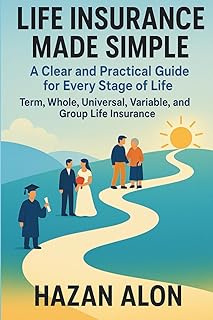
Life Insurance Made Simple (Rating: 4.8, $34.99) is a top-rated guide that explains whole life, term, and hybrid policies in plain language. The author breaks down how cash value can be used for healthcare, including dental. If you’re considering a permanent policy, this book is a must-read.

Life Insurance 101 (Rating: 4.1, $14.95) is a concise starter guide that covers term vs. permanent, riders, and common misconceptions. It’s perfect for beginners who want to understand why dental coverage is rarely part of term policies.

For industry professionals, Life and Health Insurance License Study Cards (Rating: 4.3, $43.99) provides quick-reference facts about policy types, riders, and regulations. While not consumer-oriented, it’s useful for agents who want to advise clients on best life insurance dental strategies.
Comparison Table
| Product | Price | Rating | Key Benefit | Buy at Amazon |
|---|---|---|---|---|
|
$34.99 | 4.8 | Comprehensive guide on using cash value for living expenses | Buy at Amazon |
|
$14.95 | 4.1 | Beginner-friendly, explains term vs. permanent | Buy at Amazon |
|
$43.99 | 4.3 | Exam prep with facts on riders and bundling | Buy at Amazon |
These books give you the knowledge to make an informed decision—whether you’re an agent or a consumer.
Is It Worth It? Considerations
When a life insurance dental combo makes sense:
- You are older (50+) and need a small death benefit for final expenses.
- You cannot qualify for standalone dental insurance due to pre-existing conditions.
- You want a single premium for both life and dental discount.
When it does not make sense:
- You need significant life insurance ($250,000+). Term life is much cheaper.
- You want comprehensive dental insurance with high annual maximums.
- You are young and healthy—standalone dental is more affordable.
Final verdict: For most people, the best life insurance dental solution is to separate the two needs. Buy a low-cost term life policy from a top-rated carrier, and purchase a standalone dental plan or discount membership. The combination will save you money and provide better coverage.
FAQ: Can You Get Dental Coverage Through a Life Insurance Policy?
1. Does any life insurance policy cover dental work?
No standard policy covers routine dental care. Some whole life policies with cash value allow you to borrow money to pay for dentistry, but that’s not “coverage”—it’s a loan against your own savings.
2. Can I add a dental rider to my term life insurance?
Almost never. Dental riders are unheard of in term life. A few permanent policies offer them, but benefits are very limited.
3. What is a dental discount plan attached to life insurance?
It’s a membership that gives you reduced rates at participating dentists. It’s not insurance—you still pay for services, but at a discount. These are often bundled with small whole life or final expense policies.
4. Is there a life insurance policy that pays for dental implants?
Only indirectly. If you have a cash value policy, you could use the cash value to pay for implants. There is no direct benefit.
5. Can I use my life insurance’s accelerated death benefit for dental?
No. Accelerated death benefits are reserved for terminal illness, chronic illness, or critical illness—not dental care.
6. What’s the best way to get dental coverage if I have life insurance?
Buy standalone dental insurance or a discount plan separately. If you have a permanent life policy, using cash value is an option, but it’s inefficient.
7. Does the American Dental Association recommend life insurance with dental riders?
No. The ADA emphasizes that dental insurance should be evaluated separately from life insurance to ensure adequate coverage.
Wrap-Up: The Bottom Line
You cannot directly get dental coverage through a term life insurance policy. But you have two smart paths:
- Best for most people: Buy term life for pure protection and a separate dental plan. This gives you high death benefits and real dental coverage.
- Best for seniors or those with health issues: Consider a small whole life policy with a dental discount plan. It’s simpler, but the dental benefit is limited.
Remember, the best life insurance dental strategy always starts with understanding your priorities. Use the resources and expert books listed above to make an educated choice. Your smile—and your family’s financial future—will thank you.