 Insurance Curator
 Finding affordable coverage later in life is a challenge many retirees and older adults face. The cheapest life insurance for seniors over 60 still exists, but it requires knowing where to look and what policy type best fits your budget. Term life insurance remains the most cost-effective option for seniors who need coverage for a set number of years — whether to pay off a mortgage, cover final expenses, or leave a legacy for loved ones.
In 2025, insurance carriers have adjusted their underwriting to be more flexible for older applicants. Rates have become more competitive, but not all policies are created equal. This guide walks you through everything you need to secure the cheapest life insurance for seniors over 60, with a deep dive into term life insurance, real pricing examples, and expert tips to lower your premium.
Why Term Life Insurance Is the Smartest Choice for Seniors over 60
Term life insurance provides a death benefit for a fixed period — typically 10, 15, or 20 years. For seniors over 60, it is almost always the cheapest life insurance option available. Premiums are level for the entire term, meaning your monthly payment won’t increase as you age.
Key benefits of term life for seniors:
- Lower premiums — often 50–70% less than whole life for the same death benefit.
- Flexible coverage length — you can choose a term that matches your financial obligations.
- Convertible options — many policies let you switch to permanent coverage without a new medical exam.
- No cash value accumulation — you pay only for the death benefit, which keeps costs down.
If you are in good health, a 10-year term policy can be surprisingly affordable. For a healthy 62-year-old male, a $100,000 death benefit may cost between $60 and $90 per month. Compare that to a whole life policy for the same amount, which could run $200–$400 monthly.
Factors That Determine Your Premiums at Age 60+
Insurers evaluate several risk factors when pricing a policy. Understanding these can help you find the cheapest life insurance for seniors over 60.
Age and Gender
Age is the single largest factor. Rates increase significantly after 60, especially after 65. Women generally pay less than men because they have longer life expectancies.
Health Status
Your medical history matters most. Carriers ask about blood pressure, cholesterol, diabetes, heart disease, cancer, and BMI. Even minor issues can raise rates. Some seniors qualify for “preferred” or “preferred plus” rates if they are in excellent shape.
Lifestyle Habits
Smoking and tobacco use dramatically increase premiums — often 2–3 times more than non-smoker rates. Heavy alcohol consumption, risky hobbies like skydiving, or a DUI history also affect pricing.
Family Medical History
A family history of early heart disease, stroke, or cancer may trigger higher rates. However, many carriers now offer “no medical exam” term policies that bypass family history entirely.
Coverage Amount and Term Length
Higher death benefits and longer terms cost more. A 20-year term for $250,000 will be far pricier than a 10-year term for $50,000. Choose only what you truly need.
How to Compare Quotes for the Cheapest Life Insurance for Seniors over 60
Shopping around is essential. Premiums can vary by 40% or more between carriers for the same applicant profile. Use these steps to get the best rate:
- Work with an independent agent — they can quote from multiple insurers at once.
- Get quotes for both term and whole life to see the cost difference.
- Compare rates for different term lengths — a 10-year term is usually the cheapest.
- Consider “simplified issue” or “no exam” policies if you want to avoid medical tests.
Pro tip: Many top-rated carriers offer online quote tools that take only minutes. Use them to see estimated premiums before you apply.
Top Providers Offering Cheap Term Life Insurance for Seniors
While rates vary by state and individual health, a few insurers consistently rank well for affordability and customer satisfaction.
| Insurer | Best For | Typical Monthly Rate (Age 62, Male, $100k, 10yr) |
|---|---|---|
| Mutual of Omaha | Low rates for seniors with health conditions | $55–$75 |
| Banner Life / Legal & General | Competitive pricing for healthy seniors | $50–$65 |
| Transamerica | No-exam term options up to age 75 | $60–$80 |
| AIG | High coverage amounts with flexible terms | $70–$90 |
| Protective Life | Excellent conversion options | $60–$80 |
Rates are estimates and subject to underwriting.
Amazon Books That Can Help You Make a Smarter Decision
To fully understand how term life insurance works and how to get the cheapest rates, consider these highly rated resources available on Amazon. They explain everything from policy types to tax advantages.

Life Insurance Made Simple (4.8 stars, $34.99) is a comprehensive guide for every stage of life. It breaks down term vs. permanent insurance and includes strategies to save money.

Life Insurance 101 (4.1 stars, $14.95) is perfect for beginners. It explains how term life policies work, how rates are calculated, and how to avoid common pitfalls.

Life Insurance Wealth Code (4.8 stars, free) is an excellent free resource. It dives into advanced strategies, including how cash value can be used tax-free – valuable if you’re considering a permanent conversion later.

Understanding Term Life Insurance ($0.99) is the most affordable option. It focuses solely on term policies and is ideal for seniors who want to grasp the essentials without spending much.
Comparison Table: Top Life Insurance Books on Amazon
| Product | Price | Rating | Key Focus | Buy at Amazon |
|---|---|---|---|---|
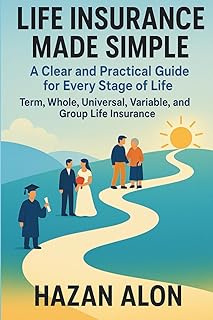 |
$34.99 | 4.8 | Comprehensive guide for all ages | Buy at Amazon |
 |
$14.95 | 4.1 | Basics of life insurance | Buy at Amazon |
 |
$0.00 | 4.8 | Tax-free wealth strategies | Buy at Amazon |
 |
$0.99 | N/A | Term life deep-dive | Buy at Amazon |
Reading these books before applying can save you hundreds of dollars by helping you choose the right policy and avoid unnecessary riders.
Term vs. Whole Life: Which Is Cheaper for Seniors?
When searching for the cheapest life insurance for seniors over 60, the debate between term and whole life inevitably arises. Term insurance wins on cost — often by a wide margin.
| Aspect | Term Life | Whole Life |
|---|---|---|
| Monthly premium (age 65, $50k) | $30–$50 | $150–$300 |
| Coverage length | 10–20 years | Lifetime |
| Cash value | None | Grows over time |
| Best for | Temporary needs (debt, income replacement) | Permanent burial planning, estate taxes |
Example: A 65-year-old female non-smoker in good health can get a 10-year term policy for $50,000 at around $40/month. A whole life policy for the same face amount would cost roughly $180/month. Over 10 years, that’s $4,800 vs. $21,600.
Expert insight: If your only goal is to cover final expenses or a mortgage that will be paid off within 15 years, term life is clearly the cheapest life insurance for seniors over 60. Avoid whole life unless you have a permanent need and can afford the higher cost.
Tips for Getting the Cheapest Life Insurance for Seniors over 60
You can lower your premium without sacrificing coverage. Use these proven strategies:
Improve Your Health Profile
- Lose weight — even a 10–15 pound loss can move you to a better rate class.
- Control blood pressure and cholesterol with medication if needed.
- Quit smoking — carriers often require 12 months tobacco-free for non-smoker rates.
- Get a checkup before applying so you know your numbers.
Choose the Right Term Length
- A 10-year term is almost always cheaper than a 15- or 20-year term.
- Only choose a term that matches your remaining financial obligations.
- Avoid over-insuring — $50,000 to $100,000 is sufficient for many seniors.
Consider “No Medical Exam” Term Policies
- These policies skip the paramedical exam but may have lower coverage limits (usually up to $100k–$250k).
- They are slightly more expensive than fully underwritten policies, but still cheaper than whole life.
- Good for seniors with minor health issues who want fast approval.
Bundle Policies
- Some insurers offer discounts if you purchase multiple policies (e.g., term life for both spouses).
- Ask about loyalty discounts if you have auto or home insurance with the same company.
Work with an Independent Agent
An independent agent can shop your application to multiple carriers to find the lowest rate. This is one of the most effective ways to find the cheapest life insurance for seniors over 60.
Common Mistakes to Avoid
Overlooking conversion options — Many term policies allow you to convert to permanent coverage without a new health exam. If your health declines later, you can lock in coverage. Always check for this feature.
Not reading the fine print — Some policies have graded death benefits (e.g., only 30% in year one). Make sure you understand the waiting periods.
Buying too much coverage — A $500,000 policy is overkill if you only need to cover funeral costs. Stick to what you can afford.
Frequently Asked Questions
1. Can a 60-year-old get term life insurance?
Yes. Most carriers offer term life insurance up to age 75. However, rates increase significantly after 60, so it’s best to apply as early as possible.
2. What is the cheapest life insurance for seniors over 60 with no medical exam?
Simplified issue term policies (no exam) are typically the cheapest option for seniors who want to avoid blood and urine tests. They cost 10–20% more than fully underwritten policies but still beat whole life rates.
3. How much does a $50,000 term life policy cost for a 65-year-old?
For a healthy 65-year-old male non-smoker, expect around $35–$55 per month for a 10-year term. Women pay roughly 20% less.
4. Is term life insurance worth it for seniors?
Absolutely, if you have debts, dependents, or want to cover final expenses. It provides peace of mind at a fraction of the cost of permanent insurance.
5. Can I get term life insurance at age 70?
Yes, but the term length is usually capped at 10 or 15 years. Rates are higher, but still cheaper than whole life. Some carriers like Mutual of Omaha and AIG offer policies up to age 75.
6. What happens if I outlive my term policy?
You simply stop paying premiums and coverage ends. Some carriers offer renewal options, but at much higher rates. Alternatively, you may have the option to convert to permanent coverage before the term expires.
7. Do I need life insurance after 60 if I have savings?
If your savings are enough to cover funeral costs and any debts, you may not need a policy. However, life insurance can provide an immediate tax-free payout for your family, while savings may take time to access.
Final Thoughts: Lock In the Cheapest Life Insurance for Seniors over 60 Today
Term life insurance remains the undisputed champion of affordability for seniors. By focusing on a 10-year term, comparing multiple carriers, and improving your health profile, you can secure coverage that fits your budget without sacrificing protection.
Don’t wait until your 65th birthday — rates increase every year. Use the quote tools, read the recommended books, and speak with an independent agent to find the cheapest life insurance for seniors over 60 in 2025.
Related articles you may find helpful:
- Cheapest Life Insurance for Seniors over 60: Top Affordable Options
- How to Find the Cheapest Life Insurance for Seniors over 60?
- Cheapest Life Insurance for Seniors over 60: Term vs Whole Life
- Tips for Getting the Cheapest Life Insurance for Seniors over 60
Taking action today could save you hundreds of dollars a year. Compare quotes now and give yourself — and your family — the peace of mind you deserve.