 Insurance Curator
 Imagine falling in love online, only to discover the person you trusted has been systematically draining your savings, maxing out your credit cards, and pressuring you to rewrite your will. For countless seniors and vulnerable adults, this nightmare is real. Romance scams — also known as relationship fraud — have become one of the fastest-growing financial crimes, with losses reaching $1.3 billion in 2022 alone according to the FTC.
These scams don’t just break hearts; they shatter financial security and derail carefully crafted estate plans. Understanding the emotional hooks and financial red flags is the first step toward protecting yourself or an aging loved one. Let’s dive deep into the tactics fraudsters use and how you can safeguard your assets — and your legacy.
The Anatomy of a Romance Scam: Emotional Tactics That Work
Romance scammers are master manipulators. They study human psychology and exploit loneliness, trust, and the natural desire for connection. Their emotional playbook is consistent, even if the details change.
Love Bombing and Rapid Attachment
Within days of meeting on a dating app, social media, or even a senior chat room, the scammer declares undying love. They shower the victim with compliments, call multiple times a day, and talk about a future together. This love bombing creates an intense emotional bond quickly, bypassing normal caution.
- Why it works: Older adults, especially widows or widowers, may feel starved for affection. The sudden attention feels like a miracle.
- Red flag: The relationship progresses at lightning speed — “I love you” in a week, talk of marriage in a month.
Creating a Crisis or Emergency
Once trust is established, the scammer invents a crisis. It could be a medical emergency, a business deal gone wrong, a legal problem, or a family tragedy. The story always requires urgent money.
“I need $5,000 for my daughter’s surgery. I’ll pay you back as soon as my inheritance clears.”
- Emotional hook: The victim feels needed and heroic. Refusing seems cruel.
Isolation from Family and Friends
The scammer systematically discourages the victim from talking to relatives, financial advisors, or attorneys. They claim others are jealous or don’t understand the “real love” they share.
- Danger: This isolation prevents a second opinion. Estate plans get altered without scrutiny.
Grooming for Long-Term Financial Abuse
Over months or even years, the scammer may ask for increasingly larger sums. They might suggest the victim sell their home, drain retirement accounts, or add the scammer to bank accounts or property deeds.
Real Example: A 70-year-old widow in Florida was convinced by her online “boyfriend” to take out a reverse mortgage and send him $200,000. She ended up homeless.
Financial Red Flags: What to Watch For
While emotions run high, there are concrete financial warning signs that signal fraud. These are critical for estate planning professionals, family members, and advisors to spot.
Unexplained Changes in Financial Behavior
- Sudden withdrawals, wire transfers, or credit card cash advances.
- Opening new bank accounts or credit cards the victim can’t explain.
- Selling investments or cashing out retirement accounts prematurely.
Requests for Unusual Payment Methods
Scammers prefer untraceable payments: wire transfers, gift cards, cryptocurrency, or reloadable debit cards. They avoid checks or credit cards that can be reversed.
- Tip: Any request to pay via iTunes cards or Bitcoin should ring alarm bells immediately.
Secretive or Guarded Behavior About Money
If a loved one becomes evasive when asked about their finances — especially a new “partner” — that’s a red flag.
Pressure to Change Legal Documents
This is where estate planning and romance scams intersect directly. The scammer may demand that the victim:
- Add the scammer as a beneficiary on a will or trust.
- Grant power of attorney to the scammer.
- Change life insurance beneficiaries.
- Transfer real estate or joint ownership of accounts.
Financial Red Flags Checklist (Table)
| Red Flag | What It Looks Like | Why It’s Dangerous |
|---|---|---|
| Sudden financial secrecy | Hides bank statements, won’t discuss spending | Enables unchecked fraud |
| Requests for gift cards or crypto | “Please buy $500 in Amazon gift cards and send me the codes” | Nearly impossible to trace |
| New “partner” involved in finances | Accompanying the victim to bank or lawyer meetings | Scammer gains leverage |
| Unexplained wire transfers | Large sums sent overseas or to unknown persons | Drains savings quickly |
| Changes to will or trust without family knowledge | Scammer becomes sole beneficiary | Disinherits rightful heirs |
The Intersection of Romance Scams and Estate Planning
Romance scams don’t just steal money — they steal legacies. When a victim changes their estate plan under coercion, their children, grandchildren, or charitable beneficiaries are left empty-handed. Legal battles often ensue, draining the estate itself.
How Scammers Exploit Vulnerable Seniors
Seniors are prime targets for a few reasons:
- Wealth: They often own homes, have retirement savings, and may have paid-off life insurance policies.
- Isolation: Many seniors live alone, especially after losing a spouse.
- Cognitive decline: Early dementia or memory loss can make them more susceptible to manipulation.
Estate Planning Documents at Risk
- Wills and Living Trusts: A scammer may pressure the victim into creating a new will that names them as heir. If the victim has a Living Trusts, Wills & Estate Planning for Seniors – The Complete 3-in-1 Guide they can learn proper safeguards.
- Power of Attorney: A fraudulent POA allows the scammer to manage all finances.
- Beneficiary Designations: Retirement accounts, life insurance policies, and payable-on-death accounts can be changed without witnesses or notaries.
Expert Insight: “A properly drafted trust can include provisions that require notification to family members before any changes are made. This creates a safety net against undue influence,” says Susan Bradley, CFP and fraud prevention specialist.
The Role of Estate Planning in Fraud Prevention
Ironically, good estate planning is one of the strongest defenses against romance scams. By setting up revocable living trusts with protection clauses, seniors can lock in their wishes while still allowing changes — but only with oversight.
For example, a trust could require that any amendment be witnessed by two disinterested parties or approved by a trusted third party like an attorney or family member.
How to Protect Yourself and Your Loved Ones
Estate planning isn’t just about documents — it’s about strategy. Here are actionable steps to prevent romance fraud from destroying your legacy.
For Seniors: Build a Fraud-Proof Estate Plan
- Work with a qualified estate attorney who understands elder fraud. Avoid online DIY kits unless they are comprehensive, like the Living Trusts + Wills, Retirement, Tax & Estate Planning – The 6-in-1 Guide. These guides help you understand the pitfalls.
- Use a trust protector. Some trusts allow you to appoint a third party who must approve significant changes.
- Add a “cooling-off” period. For any amendment that adds a new beneficiary, require a 30-day waiting period and a separate written statement from a disinterested witness.
- Create a financial care team. Include a CPA, an attorney, and a trusted family member who are all informed of your estate plan.
For Family Members: Monitor Without Overstepping
- Watch for behavioral changes. Is your loved one suddenly secretive, defensive, or overly enamored with a new online friend?
- Offer to help with estate planning. Suggest updating documents with a reputable resource like Nolo’s Guide to Estate Planning (rated 4.7 stars) as a positive, proactive step.
- Report suspicious activity. If you suspect fraud, contact Adult Protective Services or the FTC.
For Advisors: Red Flag Training
Financial advisors, bankers, and attorneys should look for:
- A new companion who accompanies the client to appointments and answers for them.
- Sudden, large transactions that don’t match the client’s history.
- Reluctance to have family members involved in estate planning discussions.
The Emotional Toll and Aftermath
Romance scams leave psychological scars as deep as financial ones. Victims often feel shame, guilt, and embarrassment, which prevents them from reporting the crime. This silence allows scammers to continue victimizing others.
Recovery steps include:
- Contacting local law enforcement and the FBI’s IC3.
- Freezing credit and closing compromised accounts.
- Seeking counseling to rebuild trust.
- Reviewing and updating estate plans with an attorney.
Product Recommendations: Arm Yourself with Knowledge
Education is your best defense. These top-rated books provide the tools you need to create a rock-solid estate plan that can withstand coercion.

Living Trusts, Wills & Estate Planning for Seniors – The Complete 3-in-1 Guide
Price: $22.97 | Rating: 4.4
This comprehensive guide includes will and trust forms and explains how to avoid probate and family drama. Perfect for seniors who want to protect their assets from fraudsters.
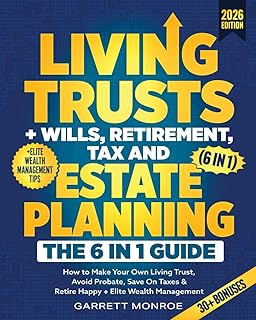
Living Trusts + Wills, Retirement, Tax & Estate Planning – The 6-in-1 Guide
Price: $24.97 | Rating: 4.5
A holistic resource covering living trusts, retirement, tax strategies, and wealth management — ideal for fraud-proofing your entire financial life.

Nolo’s Guide to Estate Planning
Price: $27.89 | Rating: 4.7
The gold standard for DIY estate planning. Thorough, updated, and legally sound.

Estate Planning For Dummies
Price: $20.99 | Rating: 4.3
A beginner-friendly approach to wills, trusts, and asset protection.

I’m Dead, Now What? Planner
Price: $11.63 | Rating: 4.6
An essential organizer for documenting your affairs — including digital accounts, passwords, and instructions — so nothing falls through the cracks.
Related Fraud Prevention Topics
Protecting your estate and finances requires a broader understanding of fraud. Explore these related guides from insurancecurator.com:
- Fraud Prevention Basics: Everyday Steps to Avoid Becoming a Victim
- Elder Financial Fraud: How Families Can Monitor and Protect Vulnerable Relatives
- What to Do if You’ve Been Defrauded: Reporting, Documentation, and Recovery Steps
- Recognizing Phishing Emails and Texts: Real-world Examples and Red Flags
Frequently Asked Questions About Romance Scams and Estate Planning
Q1: How can I tell if my elderly parent is being scammed by a romantic partner?
Look for sudden secrecy about money, a new “partner” who never video calls or meets in person, requests for gift cards or wire transfers, and changes to their will or power of attorney. If you notice any of these, gently express concern and suggest a family meeting with an attorney.
Q2: Can a romance scam affect my inheritance?
Yes. If the scammer convinces your loved one to change their will, trust, or beneficiary designations, you could be disinherited. That’s why it’s crucial to have an estate plan with anti-coercion provisions and to document all changes carefully.
Q3: What legal steps can I take if I suspect a romance scam?
Contact your state’s Adult Protective Services, local law enforcement, and the FBI’s Internet Crime Complaint Center (IC3). You may also need to hire an elder law attorney to seek a conservatorship or to challenge fraudulent wills.
Q4: Are there specific estate planning documents that prevent fraud?
Yes. A revocable living trust with a trust protector or notification clause can prevent unilateral changes. A properly drafted durable power of attorney can also have limitations. Using a guide like Living Trusts, Wills & Estate Planning for Seniors helps you understand these options.
Q5: How do romance scammers target seniors specifically?
They often use dating sites for seniors, Facebook groups, or even church directories. They play on loneliness, claiming to be a widow/widower themselves. They build trust over weeks and then invent emergencies. Financial exploitation of seniors is a growing crisis.
Final Thoughts: Love Shouldn’t Cost You Everything
Romance scams thrive in the shadows of secrecy and shame. By bringing these emotional tactics and financial red flags into the light, we can protect ourselves and those we love. Estate planning isn’t just about distributing assets — it’s about safeguarding your legacy against manipulation.
Start today: review your estate plan with a trusted advisor, educate yourself with a reliable guide like Estate Planning For Dummies, and keep the lines of communication open with family. Love is real — but so is fraud. Make sure your plan has the defenses to tell them apart.