 Insurance Curator
 Estate planning can feel overwhelming, but trusts are one of the most powerful tools to protect your assets, provide for loved ones, and avoid probate. Whether you’re a young professional just starting your estate plan or a senior looking to safeguard your legacy, understanding the different types of trusts is essential.
This guide breaks down the most common trust structures, explaining how each works, when to use one, and the real-world benefits they offer. By the end, you’ll know exactly which trust fits your goals—and you’ll have expert-recommended resources to help you move forward.
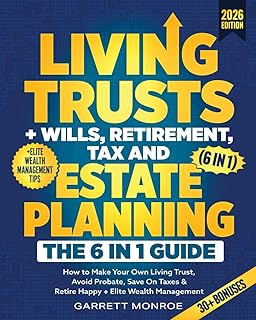
If you want a complete, step-by-step resource to master estate planning, consider picking up Living Trusts + Wills, Retirement, Tax & Estate Planning – The 6-in-1 Guide. It’s rated 4.5 stars and covers everything from living trusts to tax-saving strategies.
What Is a Trust and Why Do You Need One?
A trust is a legal arrangement where one person (the grantor) transfers assets to another person or institution (the trustee) to manage for the benefit of a third party (the beneficiary). Trusts can take effect during your lifetime or after your death.
The core advantage of a trust over a simple will is control. You can specify exactly when and how beneficiaries receive assets, protect assets from creditors, and often avoid the public, time-consuming process of probate.
Trusts are not just for the wealthy. Any family with minor children, a special needs dependent, or a desire to leave a charitable legacy can benefit from adding a trust to their estate plan.
The Two Main Categories: Revocable vs. Irrevocable Trusts
Every trust falls into one of two broad categories. The table below highlights the key differences.
| Feature | Revocable Trust | Irrevocable Trust |
|---|---|---|
| Flexibility | Changeable during grantor’s life | Cannot be modified or terminated once created (rare exceptions) |
| Asset Protection | Little to none from creditors | Strong protection from creditors and lawsuits |
| Tax Benefits | No income or estate tax reduction | Reduces estate tax liability and provides income tax planning options |
| Probate Avoidance | Yes, if properly funded | Yes |
| Control | Grantor retains full control as trustee | Grantor gives up control to an independent trustee |
Revocable trusts are often called “living trusts” because you use them during your life. Irrevocable trusts are permanent by design and offer superior protection and tax savings.
Revocable Living Trusts
A revocable living trust is the most popular trust for everyday estate planning. You transfer ownership of your assets into the trust while naming yourself as both grantor and trustee. That means you still control your property and can change the trust terms anytime you like.
Why use a revocable trust?
- Avoid probate – Assets in the trust pass directly to beneficiaries without court involvement.
- Manage incapacity – If you become unable to handle your finances, your designated successor trustee steps in seamlessly.
- Maintain privacy – Unlike a will, a trust does not become a public record.
For seniors wanting a straightforward approach to estate planning, the book Living Trusts, Wills & Estate Planning for Seniors – The Complete 3-in-1 Guide is an excellent starting point. It includes actual will and trust forms and has a 4.4 rating.

Example Scenario
Maria, 62, owns a home and an investment account. She creates a revocable living trust, retitles her home in the trust’s name, and designates her son as successor trustee. If Maria becomes incapacitated, her son manages the assets without requiring a court-appointed guardian. When she passes, the home goes to her granddaughter without probate.
Important limitation: A revocable trust does not protect assets from creditors or reduce estate taxes. If asset protection or tax savings are your main concern, an irrevocable trust may be a better choice.
For a detailed comparison between wills and living trusts, read our guide on Last Will vs. Living Trust: Which Is Better for Your Situation?.
Irrevocable Trusts
An irrevocable trust cannot be changed or revoked once it is signed (except by court order in rare cases). The grantor permanently transfers assets out of their name and into the trust. This loss of control brings powerful benefits.
Key advantages:
- Creditor protection – Assets are shielded from lawsuits, divorce, and bankruptcy.
- Estate tax reduction – The assets are no longer part of your taxable estate.
- Medicaid planning – Irrevocable trusts can help seniors qualify for long-term care benefits.
- Income tax planning – Some irrevocable trusts shift income to lower-tax beneficiaries.
Common Types of Irrevocable Trusts
- Irrevocable Life Insurance Trust (ILIT) – Removes life insurance proceeds from your estate, avoiding estate taxes.
- Grantor Retained Annuity Trust (GRAT) – Transfers asset appreciation to beneficiaries free of gift tax.
- Qualified Personal Residence Trust (QPRT) – Moves your home out of your estate at a reduced gift tax value.
Example: James puts his $1 million life insurance policy into an ILIT. When he dies, the $1 million death benefit goes to the trust for his children, completely free of federal estate tax. Without the ILIT, the benefit would be added to his estate and potentially taxed at 40%.
For a deeper dive into the tax implications, read our article Tax Implications of Different Trusts: What Families Need to Know before Setting One Up.
The trusted resource Nolo’s Guide to Estate Planning (4.7 rating) provides in-depth explanations of both revocable and irrevocable trusts, along with state-specific details.

Special Needs Trusts
A special needs trust (also called a supplemental needs trust) is designed to hold assets for a person with a disability without disqualifying them from government benefits like Medicaid or Supplemental Security Income (SSI). The trust cannot provide cash directly to the beneficiary, but it can pay for items that improve quality of life: education, travel, medical equipment not covered by Medicaid, hobbies, and more.
First-Party vs. Third-Party Special Needs Trusts
- First-party special needs trust – Funded with the disabled person’s own assets (e.g., from a personal injury settlement). Must include a payback provision to the state for Medicaid expenses upon the beneficiary’s death.
- Third-party special needs trust – Created and funded by a parent, grandparent, or other third party. No payback requirement, so remaining assets can go to other heirs.
Example: Sarah has a son with autism who receives SSI. She sets up a third-party special needs trust and names the trust as beneficiary of her life insurance policy. When Sarah dies, the insurance proceeds go into the trust, and her son continues to qualify for health coverage and cash benefits while enjoying extra support from the trust.
For more on trusts for disabled beneficiaries, see our article Trusts for Minor Children: How to Control When and How They Receive Money – many of the same principles apply for special needs adults.
Charitable Trusts
If philanthropy is part of your estate plan, charitable trusts allow you to support a cause while receiving tax benefits. There are two main structures:
Charitable Remainder Trust (CRT)
You transfer assets into the trust and receive an income stream for life or a set number of years. After the trust ends, the remaining assets go to your chosen charity.
- Tax benefit: You get an immediate charitable deduction for the present value of the remainder interest.
- Income: You can receive a fixed annuity (CRAT) or a percentage of trust assets (CRUT).
Charitable Lead Trust (CLT)
The charity receives income for a term, and the remainder eventually returns to your family.
- Tax benefit: The trust shifts future asset growth to your heirs with reduced gift or estate tax.
Both options are excellent for wealthy donors who want to maximize their legacy and reduce their tax burden.
Spendthrift Trusts
A spendthrift trust is designed to protect a beneficiary who lacks financial discipline or has creditor issues. The trustee controls distributions and the beneficiary cannot assign their interest. Creditors cannot touch the trust assets until they are actually paid out.
When to use it: If your adult child struggles with debt, addiction, or poor spending habits, a spendthrift trust ensures they receive money over time for specific purposes—tuition, rent, medical care—while protecting the principal from their creditors.
Testamentary Trusts
A testamentary trust is created within a will and does not take effect until you die. It’s a common way to leave assets to minor children because it allows the trustee to manage the money until the child reaches a specified age.
Key points:
- Created by your will, which goes through probate.
- Trustee follows instructions you lay out in the will (e.g., “Use funds for education; distribute remaining at age 25”).
- Can be revocable or irrevocable after death.
Drawback: Because it’s part of a will, the trust assets must pass through probate before the trust is funded.
Learn more about how to set this up properly in our step-by-step guide: Step-by-step Guide to Writing a Legally Valid Will (Even if You’re Not Rich).
Pet Trusts
Pets are family, but the law treats them as property. A pet trust allows you to set aside money specifically for the care of your animal after you die. The trust names a caregiver and a trustee (often the same person) and specifies how the money should be used.
- Honorary trust – Some states allow a trust for a pet’s benefit with a 21-year limit.
- Statutory pet trust – Many states now explicitly recognize pet trusts for the life of the animal.
Example: Ellen creates a $50,000 pet trust for her two dogs, naming her sister as caregiver. The trust pays for food, vet visits, and a dog walker. The trust ends when both dogs pass away, and leftover funds go to Ellen’s nieces.
For a thorough look at protecting your furry family members, see Pet Trusts and Wills for Pet Owners: Ensuring Your Animals Are Cared for.
Other Notable Trusts
- Totten Trust (Payable-on-Death Account) – Not a true trust, but a bank account with a beneficiary. Passes outside probate, but offers no incapacity protection.
- AB Trust (Marital Trust / Bypass Trust) – Used by married couples to minimize estate taxes by leveraging both spouses’ exemptions.
- Generation-Skipping Trust (Dynasty Trust) – Allows wealth to pass to grandchildren or later generations without incurring estate taxes at each generation.
Choosing the Right Trust for Your Estate Plan
Selecting a trust depends on your unique circumstances. Ask yourself these questions:
- Do I need flexibility? → Choose a revocable living trust.
- Do I want asset protection or tax savings? → Consider an irrevocable trust.
- Do I have a disabled loved one? → A special needs trust is essential.
- Do I want to support a charity? → Look at a charitable trust.
- Do I have young children? → A testamentary trust or stand-alone trust for minors works well.
Always consult an experienced estate planning attorney. A DIY approach can lead to mistakes that cost your family later. However, educating yourself with reliable books can save time and money.
For a broad, beginner-friendly overview, Estate Planning For Dummies (4.3 rating) explains everything from wills to advanced trusts in plain language.

Once your trust is created, don’t forget to fund it—transfer your assets into the trust name. Without proper funding, your trust is useless. Read our guide Funding Your Trust: What It Means and How to Properly Transfer Assets for a checklist.
Frequently Asked Questions
Do I need a lawyer to create a trust?
Not necessarily. You can use online services or books with forms, but an attorney is recommended if you have a large estate, complicated family dynamics, or unique tax concerns. The book Living Trusts, Wills & Estate Planning for Seniors includes ready-to-use forms that may suffice for simpler estates.
Can I be my own trustee?
Yes, for a revocable living trust. You are the trustee of your own trust. You only need a successor trustee to take over if you become incapacitated or die.
How much does it cost to set up a trust?
A revocable living trust typically costs between $1,000 and $3,000 from an attorney. DIY options can be as low as $20–$50 for a book or online template. The trade-off is risk of errors.
What is the difference between a living trust and a will?
A living trust avoids probate and manages assets during incapacity; a will only takes effect after death and goes through probate. Learn more in our comparison: Last Will vs. Living Trust.
Can I change an irrevocable trust?
In very limited cases, with court approval or if the trust contains a “decanting” provision. Generally, you cannot modify an irrevocable trust.
What happens to a trust if the trustee dies or resigns?
Your trust document should name a successor trustee. If none is named, a court may appoint one. It’s vital to designate backups.
Final Thoughts
Trusts provide unmatched control, protection, and peace of mind in estate planning. Whether you choose a simple revocable living trust or a complex irrevocable structure, the key is to match the tool to your goals.
Start by gathering your assets, identifying your beneficiaries, and deciding whether probate avoidance, tax savings, or asset protection is your top priority. Then consult a qualified attorney and supplement your knowledge with trusted resources.
The planner I’m Dead, Now What? (4.6 rating) is an excellent way to organize all your estate documents, including trust records, account numbers, and final wishes. Keeping everything in one place ensures your executor and trustee can act without confusion.

For more on managing your estate plan after it’s created, read How to Update a Will or Trust after Major Life Changes? and The Role of a Trustee: Duties, Liabilities, and How to Pick the Right Person.
Take the next step today—your family’s future is worth it.