 Insurance Curator
Credit cards are powerful financial tools. Used correctly, they can boost your credit score, earn rewards, and provide purchase protection. Used carelessly, they lead to high-interest debt and damaged credit. The secret lies in a simple but disciplined approach: spend only what you can afford to pay off in full each month and track every dollar using a solid budgeting system.
This guide will show you exactly how to leverage credit cards to build a strong credit history without falling into the debt trap. We’ll cover credit score mechanics, utilization strategies, and practical budgeting tools—including top-rated planners like the Budget Planner – Monthly Budget Book with Expense Tracker Notebook, Undated Bill Organizer & Finance Planner to Take Control of Your Money (Pink) and the NICOOTH Budget Binder Cash Envelopes A6 Money Saving Binder with Zipper envelopes (Purple)—to keep your spending on track.
Understanding Credit Scores and Credit Utilization
Your credit score is a three-digit number that lenders use to assess your reliability. The most common model, FICO, ranges from 300 to 850. Five factors determine your score:
| Factor | Weight | What It Measures |
|---|---|---|
| Payment history | 35% | On-time payments vs. late/missed |
| Credit utilization | 30% | Amount of credit used vs. total limit |
| Length of credit history | 15% | Average age of accounts |
| Credit mix | 10% | Variety of credit types (cards, loans) |
| New credit inquiries | 10% | Recent applications for credit |
Credit utilization is the single biggest factor you can control on a month-to-month basis. It’s calculated by dividing your total credit card balances by your total credit limits. Experts recommend keeping utilization below 30%, but the best scores often come from under 10%.
For example, if you have a total credit limit of $5,000 across all cards, you should carry no more than $1,500 in balances—and ideally less than $500. Every time you pay down your balance, your utilization drops, and your score can improve.
How Credit Card Usage Affects Your Credit Score
Every time you use a credit card, you create a record on your credit report. Payment history gets reported to the bureaus (Equifax, Experian, TransUnion) typically once a month. Here’s how different behaviors impact your score:
Positive impacts:
- Paying at least the minimum by the due date—every single month.
- Keeping balances low relative to your limits.
- Keeping old accounts open to lengthen credit history.
Negative impacts:
- Missing payments or paying more than 30 days late.
- Maxing out a card (high utilization).
- Closing old cards, which shrinks your total available credit.
Key insight: You don’t need to carry a balance to build credit. Paying in full each month is not only debt-free but also signals responsible behavior to lenders. In fact, carrying a balance rarely helps your score—it only costs you interest.
Principles of Using Credit Cards Wisely
To build credit without debt, adopt these four principles:
1. Treat Your Credit Card Like a Debit Card
Only charge purchases you already have cash for. If you can’t pay the full statement balance by the due date, you’re spending beyond your means. This mindset prevents overspending and interest charges.
2. Keep Utilization Low
Even if you pay in full, the balance reported to the bureaus (usually your statement balance) affects utilization. To keep it under 10%, consider making multiple payments per month or requesting a higher credit limit (without increasing spending).
3. Set Up Automatic Payments
Automate at least the minimum payment to avoid late fees. For maximum safety, automate the full statement balance from a checking account you fund from your budget.
4. Use Only One Card at First
If you’re new to credit, start with a single card. Monitor spending closely. As your score grows, you can add a second card to improve credit mix, but only if you remain disciplined.
Incorporating Budgeting to Avoid Debt
Budgeting is the backbone of responsible credit card use. Without a budget, it’s easy to swipe first and regret later. A budget tells you exactly how much you can spend in each category—groceries, dining, gas, entertainment—so when you use a credit card, you’re only spending what you’ve already allocated.
The best way to track spending is with a physical or digital budget planner. Here are five top-rated tools that can help you stay on top of your money:
Budget Planner – Monthly Budget Book with Expense Tracker Notebook, Undated Bill Organizer & Finance Planner (Pink) – $8.99 – Rating 4.6
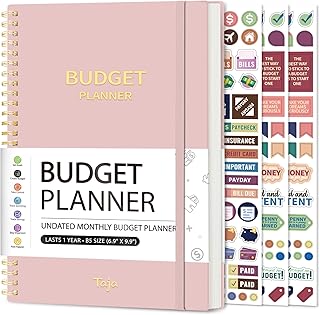
This undated notebook is perfect for beginners. It includes sections for monthly income, fixed expenses, variable expenses, and savings goals. The pink cover makes it easy to spot on your desk. Use it to list all your credit card charges each month, then reconcile with your statement to ensure you never overspend.
NICOOTH Budget Binder Cash Envelopes A6 Money Saving Binder with Zipper envelopes (Purple) – $6.28 – Rating 4.6

The cash envelope system works brilliantly with credit cards: assign each envelope a spending category and fill it with the budgeted cash. When you use your card for a purchase, immediately withdraw the cash from the corresponding envelope and set it aside to pay the card later. This binder keeps everything organized and prevents accidental overspending.
SKYDUE Budget Binder, Money Saving Binder with Zipper Envelopes, Cash Envelopes and Expense Budget Sheets – $8.98 – Rating 4.7

This binder includes pre-printed expense budget sheets that let you track both cash and credit transactions. Its zipper envelopes protect cash and receipts. Use the sheets to log each credit card purchase, subtract from your budgeted amount, and see exactly how much room you have left before the statement closes.
Budget Planner – Monthly Budget Book with Expense Tracker Notebook, Undated Bill Organizer & Finance Planner (Black) – $8.99 – Rating 4.6

The black version offers the same functionality as the pink planner with a more professional look. It’s ideal for those who prefer a minimalist aesthetic. Its monthly and weekly spreads help you plan credit card payments in advance—mark the due date and write the expected statement balance so you never miss a payment.
Budgeting 101: From Getting Out of Debt and Tracking Expenses to Setting Financial Goals and Building Your Savings (Adams 101 Series) – $9.69 – Rating 4.6

This book is a comprehensive guide for anyone serious about financial discipline. It covers budgeting methods, debt payoff strategies, and how to align spending with values. Use it alongside a credit card strategy to master the psychology of money and avoid the impulse buying that leads to debt.
Step-by-Step Strategy: Use Credit Card for Budgeted Expenses, Track, Pay Off Monthly
Here’s a repeatable system you can start today:
-
Set a monthly budget. Use a planner like the Budget Planner Pink to write down your income and fixed costs. Allocate funds to flexible categories (groceries, dining, gas, entertainment).
-
Assign your credit card to one or two categories. For example, put only groceries and gas on the card. This makes tracking easier and limits risk.
-
Track every credit card purchase in your budget binder or planner. Write the amount and category immediately after swiping. Deduct it from your budgeted amount.
-
Monitor utilization. Aim to use less than 30% of your total credit limit. If you’re close, make an interim payment before the statement date.
-
Pay the full statement balance by the due date. Set up autopay for the statement balance, but also verify manually using your planner.
-
Review monthly. At month’s end, reconcile your planner with your credit card statement. Adjust budget amounts if needed.
This method ensures you never spend more than you planned, while building a perfect payment history and low utilization.
Common Mistakes to Avoid
Even with good intentions, many people slip. Watch out for these pitfalls:
- Paying only the minimum. This keeps you in debt for years and destroys your utilization ratio. Always pay the full statement balance.
- Opening too many cards too quickly. Each application triggers a hard inquiry, which can temporarily lower your score. Space applications 6–12 months apart.
- Closing old cards. Closing a card reduces your total available credit, increasing utilization. Keep old accounts open, even if you don’t use them.
- Using a credit card for emergency expenses. If your emergency fund is low, you might rely on the card. But then you risk carrying a balance. Better to build an emergency fund first.
- Not checking your credit report. Errors can hurt your score. Check your report free at AnnualCreditReport.com and dispute mistakes.
For more on misconceptions, read our article on Credit Score Myths That Keep People Stuck with Bad Credit.
Long-Term Benefits of Responsible Credit Card Use
When you consistently use credit cards within a budget, the rewards compound:
- Higher credit score → Lower interest rates on mortgages, auto loans, and insurance premiums.
- Better approval odds for rental applications, cell phone plans, and utilities without deposits.
- Rewards and cash back – Some cards offer 2% or more on every purchase. That’s free money for spending you were already going to make.
- Fraud protection – Credit cards have stronger fraud liability protections than debit cards. If someone steals your card data, you’re not liable for unauthorized charges.
- Travel perks – Many cards include travel insurance, lounge access, and no foreign transaction fees.
But these benefits only materialize if you never pay a penny in interest. The budgeting tools mentioned earlier—especially the SKYDUE Budget Binder and the Budgeting 101 book—will help you stay disciplined and enjoy the upside without the downside.
Frequently Asked Questions
How much should I spend on my credit card each month to build credit?
Spend only what you can pay in full. For credit score purposes, keep your utilization under 30%—ideally under 10%. If your limit is $1,000, carry no more than $100–$300 on your statement.
Does paying the minimum payment hurt my credit score?
Paying the minimum keeps your payment history clean, but it won’t lower your utilization unless you also reduce your balance. High utilization can hurt your score. Always try to pay the full statement balance.
Can I build credit with a secured credit card?
Yes. Secured cards require a cash deposit as collateral. They report to the bureaus just like unsecured cards. Use them with the same budgeting discipline—treat them like debit cards.
Should I close a credit card I no longer use?
No. Closing a card lowers your total available credit, which can increase your utilization ratio. It also reduces the average age of your accounts. Keep it open and use it once every few months to prevent inactivity closure.
How long does it take to build good credit with a credit card?
With consistent on-time payments and low utilization, you can see a significant score improvement within 6–12 months. A FICO score above 700 typically takes 2–3 years of responsible credit history.
For a deeper understanding of credit score mechanics, check out Credit Scores Demystified: What They Are and Why They Matter and How Credit Utilization Works and Why It Can Make or Break Your Score.
What if I accidentally carry a balance one month?
It happens. Pay it off as soon as possible. One month of carrying a balance won’t ruin your credit, but it will cost you interest. Resume full payment the next month and adjust your budget to rebuild your emergency fund.
Are there credit cards designed for people with no credit history?
Yes. Look for student cards, secured cards, or store cards with low limits. Read our guide on Building Credit from Scratch: Strategies for Students and Newcomers.
Conclusion
Using credit cards wisely to build credit without debt is not a mystery—it’s a habit. By coupling a disciplined budget with a clear understanding of credit utilization and payment history, you can unlock the benefits of good credit while staying financially healthy.
Start by picking a budgeting tool that works for you. The Budget Planner Black and the NICOOTH Budget Binder are excellent, affordable options. Combine them with a credit card you treat like a debit card, pay in full every month, and watch your credit score rise.
Remember: your credit score is a reflection of your financial habits. Build the habits first, and the score will follow. For more on recovering from past setbacks, read How to Recover Your Credit Score after Bankruptcy or Serious Delinquency.