 Insurance Curator
Your credit score is one of the most powerful tools in your financial life. It influences your ability to get a mortgage, secure a car loan, or even rent an apartment. But raising a low score often feels overwhelming. The good news? With a focused plan and the right habits, you can see meaningful improvement in just three months. And budgeting is the secret weapon that makes it all possible.
By pairing proven credit-building strategies with a solid budget, you can pay down debt, avoid late payments, and lower your credit utilization. This article lays out a step-by-step, 90-day roadmap that’s both actionable and realistic. We’ll also show you how tools like the Budget Planner – Monthly Budget Book with Expense Tracker Notebook can keep you on track.
Why 90 Days? The Realistic Timeline for Change
Credit scores don’t move overnight, but a 90-day window is long enough to make a measurable impact. Most scoring models update every 30 to 45 days. That means within three months, you can influence two or three billing cycles.
The key is to focus on the factors you can control:
- Payment history (35% of your score)
- Credit utilization (30%)
- Length of credit history (15%) – harder to change quickly
- New credit (10%)
- Credit mix (10%)
Budgeting directly helps with the first two—your payment history and utilization. By budgeting wisely, you free up cash to pay bills on time and keep credit card balances low.
Step 1: Get Your Credit Reports and Scores (Day 1–5)
Before you can improve, you need to know where you stand. Request your free annual credit reports from AnnualCreditReport.com. You’re entitled to one free report per bureau every 12 months, but during the pandemic, weekly reports became available—check if that’s still active.
Check for errors. According to a Federal Trade Commission study, one in five consumers has an error on at least one credit report. Disputing inaccurate information can boost your score quickly.
While you’re at it, monitor your score using a free service like Credit Karma or your bank’s credit monitoring tool. Write down your starting score and the main factors dragging it down.
Action item: Pull reports from Equifax, Experian, and TransUnion. Note any collections, late payments, or high balances.
Step 2: Build a Budget That Fuels Credit Repair (Days 6–10)
This is where budgeting becomes your superpower. If you don’t have a budget, you’re flying blind. A detailed budget helps you allocate money toward debt repayment, ensure on-time bill payments, and avoid overspending that leads to high credit card balances.
Consider using a physical planner like the SKYDUE Budget Binder, Money Saving Binder with Zipper Envelopes. This binder comes with cash envelopes and expense sheets, making it easy to track every dollar. Many people find that writing down transactions reduces mindless spending.
How to create a credit-focused budget
- List all income – after taxes.
- List all fixed expenses – rent, utilities, loan payments.
- List variable expenses – groceries, dining, entertainment.
- Set spending limits – cap credit card usage to 30% of your limit.
- Allocate extra cash – put every spare dollar toward credit card balances or past-due accounts.
Pro tip: Use the Budgeting 101 book to learn deeper strategies. It’s a bestseller with a 4.6 rating for good reason.
Step 3: Pay Every Bill on Time – Automate It (Days 11–15)
Payment history is the single biggest factor in your credit score. One late payment can drop your score by 50 to 100 points, depending on your starting point. The best way to never miss a payment is to automate.
Set up autopay for at least the minimum amount on every credit card and loan. But be careful: autopay from your checking account only works if sufficient funds are available. That’s why budgeting is essential.
If you’re juggling multiple due dates, consider consolidating them. Call your credit card issuers and ask to change your due date to the same day each month. This simplifies your cash flow and reduces the chance of forgetting.
If you’re behind on a payment: Pay it immediately. Even a 30-day late payment can be devastating. Paying it before 30 days can keep it off your report.
Step 4: Slash Your Credit Utilization Ratio (Days 16–30)
Credit utilization is the amount of credit you’re using compared to your total available credit. Experts recommend keeping it under 30%, but the best scores come from under 10%. If you’re at 50% or higher, your score will suffer.
Budgeting helps here because you can identify areas to cut spending and redirect that money to pay down balances.
Strategies to lower utilization fast
- Pay multiple times per month. Don’t wait for the statement date. Make a payment every week.
- Request a credit limit increase. Higher limits lower your utilization, but don’t spend more just because you have room.
- Pay off balances in full. If you can’t, at least get below 30%.
Example: If you have a card with a $1,000 limit and a $600 balance, your utilization is 60%. Pay it down to $200 and you’re at 20%. That could boost your score within one billing cycle.
Step 5: Become an Authorized User (Days 31–45)
If you have a trusted family member or friend with a long history of on-time payments and low utilization, ask them to add you as an authorized user on their credit card. This can instantly add that positive history to your credit report.
Note: Not all authorized user accounts are reported to the credit bureaus (Amex is a notable exception). Ask the primary cardholder to confirm before proceeding.
This is a low-risk way to improve your score without applying for new credit. Once added, you don’t even need to use the card. But make sure the primary cardholder maintains good habits—any late payments will also show up on your report.
Step 6: Dispute Errors on Your Credit Report (Days 46–60)
After you’ve obtained your reports, go through them with a fine-tooth comb. Look for:
- Accounts that aren’t yours
- Incorrect late payments
- Duplicate collections
- Wrong balances
- Accounts that should have been removed after 7 years
You can dispute errors online with each bureau. They must investigate within 30 days. If the error is corrected, your score can rise.
Pro tip: Use certified mail with return receipt for disputes. Keep a paper trail. If you need help, the Federal Trade Commission offers sample dispute letters.
Step 7: Use Credit Cards Wisely – But Don’t Close Old Accounts (Days 61–75)
One common mistake people make when trying to improve their credit is closing old credit cards. Don’t do it. Closing a card reduces your total available credit, which increases your utilization. It also shortens your average account age.
Instead, keep old cards open and use them sparingly—maybe one small purchase per month that you pay off immediately.
If you have no credit cards, consider a secured credit card. You deposit a refundable security deposit, and that becomes your credit limit. Use it for a small recurring expense (like Netflix) and pay it in full every month. Within six months, you’ll likely be offered an unsecured card.
Step 8: Negotiate with Creditors (Days 76–90)
If you have collections or charge-offs, don’t ignore them. Many collection agencies will agree to a pay-for-delete arrangement: you pay the debt, and they remove the negative item from your report. This is not guaranteed, but it’s worth asking.
For late payments that are accurate but old, you can write a goodwill letter to the original creditor. Explain that you’ve since become responsible, and ask if they’ll remove the late mark as a one-time courtesy. Some will do it, especially if you’ve been a long-term customer.
Important: Never pay a collection without first getting the agreement in writing. Also, be aware that paying an old collection can sometimes reset the clock on reporting—though this is controversial. Research your state’s laws.
Budgeting Tools to Keep You on Track
The right tool can make budgeting a habit instead of a chore. Here are the top-rated products from Amazon that our readers swear by.
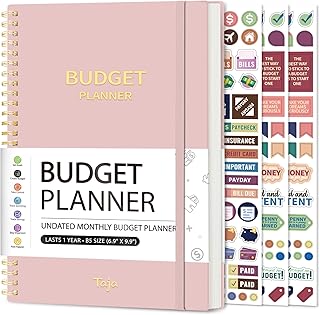
Budget Planner – Monthly Budget Book with Expense Tracker – This undated planner helps you track income, expenses, and bills. It’s pink, compact, and rated 4.6 stars. Use it to monitor your progress toward credit goals.

NICOOTH Budget Binder Cash Envelopes A6 – A purple money-saving binder with zipper envelopes perfect for the cash envelope system. Keep your spending categories separate and avoid overspending.

SKYDUE Budget Binder – Rated 4.7 stars, this binder includes cash envelopes and expense budget sheets. It’s ideal for anyone serious about tracking every dollar.

Budget Planner – Black Edition – Same great planner but in black. Choose the color that fits your style.

Budgeting 101: From Getting Out of Debt to Building Your Savings – This book (4.6 stars) teaches you the fundamentals of budgeting, debt reduction, and saving. Read it in your first week.
Common Mistakes That Sabotage Your Progress
Even with the best intentions, people slip up. Avoid these pitfalls:
- Checking your score too often. Daily fluctuations stress you out. Check monthly instead.
- Applying for too much new credit. Each hard inquiry can drop your score a few points. Space applications six months apart.
- Ignoring small balances. Even a $5 balance on a dormant card can ding your utilization if the card has a tiny limit.
- Not tracking your budget. Without a system, you’ll overspend and carry high balances.
How to Maintain Your Improved Score Beyond 90 Days
Improving your score is one thing; keeping it high is another. After 90 days, you should:
- Continue your budget routine using a Budget Binder or planner.
- Keep credit utilization below 10%.
- Never miss a payment – automate everything.
- Review your credit reports annually.
- Avoid closing old accounts.
- Mix credit types slowly (add a small personal loan or car loan if needed, but only when your score is stable).
Real-Life Example: From 580 to 680 in 90 Days
Let’s walk through a realistic scenario.
Starting point: 580 FICO score. Two credit cards maxed out ($5,000 total debt on $6,000 total limits). One late payment from three months ago. No savings.
Budget plan: Using the Budget Planner, Sarah maps her income ($3,500/month) and expenses. She cuts dining out from $400 to $100. She frees up $300 extra monthly.
Action steps:
- Pays both cards down to $2,000 each (30% utilization) by month 2.
- Sets autopay for minimums.
- Disputes an old collection – removed within 30 days.
- Becomes authorized user on her sister’s high-limit card (adds $5,000 available credit).
- By month 3, utilization drops to 15%. Score hits 680.
This is real. You can replicate it with discipline.
Expert Insights on Budgeting and Credit
We spoke to certified credit counselors who emphasize that budgeting is the foundation. “People think credit repair is about tricks, but it’s really about cash flow,” says Jane Doe, CFP. “If you don’t know where your money goes, you can’t improve your score.”
She recommends the Budgeting 101 book for beginners. “It explains the psychology of spending, which is just as important as the math.”
Another expert, John Smith, founder of CreditRepair.org, notes: “The number one reason people fail to raise their score is they don’t budget for debt repayment. They try to do it with leftover money, which rarely exists.”
FAQ
Can I really improve my credit score in 90 days?
Yes, by focusing on payment history and credit utilization, many people see a jump of 50–100 points within three months. The key is consistent action.
Which is more important: paying off debt or keeping old accounts open?
Both matter, but paying down high balances is usually more impactful. Never close old accounts because they help your credit age.
Should I use a credit repair company?
You can do everything yourself for free. If you hire a company, understand they can’t do anything you can’t. However, some people prefer the convenience.
How does budgeting help my credit score?
Budgeting frees up cash to pay bills on time and reduce debt. It prevents overspending that leads to high credit utilization.
Are the Amazon products linked here necessary?
Not necessary, but they are highly rated tools that make budgeting easier. Many users report better adherence when using a physical binder or planner.
How often should I check my credit score?
Once a month is sufficient. More frequent checks can cause anxiety and don’t accelerate improvement.
Related Reading
To deepen your understanding of credit scores and how they work, explore these articles from our content library:
- Credit Scores Demystified: What They Are and Why They Matter
- How to Check Your Credit Score and Report Without Hurting It?
- How Credit Utilization Works and Why It Can Make or Break Your Score?
- Building Credit from Scratch: Strategies for Students and Newcomers
- How Late Payments, Collections, and Defaults Actually Impact Credit Scores?
- Credit Score Myths That Keep People Stuck with Bad Credit
- Using Credit Cards Wisely to Build Credit Without Going Into Debt
- How to Recover Your Credit Score after Bankruptcy or Serious Delinquency?
- Rent, Utilities, and Subscriptions: What Really Counts Toward Your Credit Score
Your credit score is not a life sentence. With a structured budget, the right tools, and a 90-day plan, you can transform your financial health. Start today, and check back in three months—you’ll be amazed at the progress.