 Insurance Curator
The gig economy is booming. Whether you’re trying to pay off debt, build an emergency fund, or just afford a little breathing room, a side hustle can be a game-changer for your budget. But a critical question lingers: should you focus on online side hustles or stick with traditional offline gigs?
The answer isn’t simple. Some online opportunities offer sky-high earning potential with minimal overhead, while others fizzle out after a few months. Offline gigs like driving or bartending provide immediate cash but can drain your energy and time. To make the smartest choice for your personal finances, you need to weigh earning power against long-term sustainability.
In this deep-dive, we’ll compare both worlds — with real numbers, expert insights, and practical budgeting tools to help you track every dollar you earn. Whether you’re a busy professional or a parent juggling family life, this guide will help you decide which path fits your budget and your life.
Why Budgeting Matters for Side Hustlers
Before comparing online and offline options, understand this: a side hustle is only as good as your ability to manage the income it generates. Without a solid budget, extra cash often disappears into lifestyle inflation or unexpected taxes.
That’s where tools like a Budget Planner – Monthly Budget Book with Expense Tracker come in handy. A structured planner helps you allocate side-hustle earnings toward specific goals — savings, debt, or reinvestment.
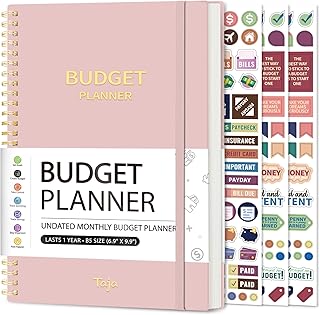
Staying organized from day one prevents the common pitfall of spending side cash before it’s even earned.
The Great Divide: Online Side Hustles vs. Offline Gigs
Let’s break down the core differences.
Earning Potential
Online side hustles often scale more easily. A freelance writer can take on multiple clients; a digital product creator can sell the same item hundreds of times. Top earners in online fields like copywriting or coding can make $50–$150 per hour or more.
Offline gigs usually trade time for money. A rideshare driver or delivery worker might earn $15–$25 per hour after expenses. However, some offline roles — like event bartending or specialized trades — can reach $30–$50 per hour with tips.
Sustainability and Burnout
Online hustles offer flexibility. You can work in pajamas at 2 AM, which helps preserve mental energy. But they also require self-discipline and may involve long periods of unpaid learning.
Offline gigs are physically demanding. Standing for hours, driving in traffic, or lifting heavy items can lead to burnout quickly. The lack of schedule control — especially if you’re an employee rather than a contractor — can conflict with family life.
Upfront Costs
Most online side hustles need a laptop and internet connection — often something you already own. Offline gigs may require a car, specialized gear, or uniforms.
Deep Dive: Top Online Side Hustles for Budget-Conscious Earners
If you’re ready to start with little money, here are sustainable online options.
1. Freelance Writing and Editing
Demand for content never stops. Beginners can earn $0.05–$0.10 per word on platforms like Upwork or ProBlogger. Experienced writers charge $0.20–$0.50 per word for niches like finance or tech.
Sustainability: High. You control your workload. As you build a portfolio, you can raise rates and choose projects that interest you.
2. Virtual Assistance
Businesses hire VAs to manage emails, scheduling, and social media. Rates range from $15–$30 per hour. Certification is optional, but skills in tools like Trello or Canva help.
Sustainability: Medium. The role can become repetitive. To avoid burnout, specialize in a niche (e.g., real estate VA) or combine it with other services.
3. Selling Digital Products
E-books, planners, printables, or templates can be created once and sold indefinitely. A well-designed budget planner, for instance, can generate passive income on Etsy or Gumroad.
Sustainability: Very high. After initial effort, income can flow with minimal maintenance.
4. Online Tutoring or Coaching
If you’re skilled in a subject — math, music, language, or even budgeting — you can tutor via Zoom. Rates vary from $20–$60 per hour. With accreditation, coaching in financial literacy can command $75–$150 per hour.
Sustainability: Medium-High. Requires scheduling but offers deep fulfillment.
5. Micro-Task Platforms
Sites like Amazon Mechanical Turk or UserTesting pay for small tasks: surveys, transcription, usability tests. Earnings are modest — $5–$15 per hour — but can fill gaps.
Sustainability: Low. Repetitive work, low pay, and no scalability.
Deep Dive: Offline Gigs That Still Pay Well
Not everyone wants to stare at a screen all day. Offline gigs can offer immediate cash and social interaction.
1. Rideshare and Delivery Driving
Uber, Lyft, DoorDash — driving remains a top offline gig. In busy markets, drivers earn $20–$30 per hour gross, but fuel, maintenance, and taxes cut that significantly. Net income often falls to $12–$18 per hour.
Sustainability: Low-Medium. Wear and tear on your vehicle, erratic hours, and increased insurance costs make this a short-term solution for many.
2. Food Service and Catering
Waiting tables, bartending, or catering events can net $25–$50 per hour with tips. Weekend work is plentiful.
Sustainability: Medium. Physically demanding, but tips can be high. Good for social people.
3. Pet Sitting and Dog Walking
Rates range from $15–$30 per walk or $30–$50 per overnight stay. Platforms like Rover make finding clients easy.
Sustainability: High. Low overhead, enjoyable, and repeat clients are common.
4. Handyman or Home Services
If you’re handy, tasks like assembling furniture, painting, or minor repairs pay $30–$60 per hour. Tools are the main investment.
Sustainability: High. Demand is consistent, and you can set your schedule.
5. Event Staffing
Working concerts, sports games, or festivals as a ticket taker or merchandise seller pays $12–$20 per hour plus free entry. Great for short bursts of cash.
Sustainability: Low. Irregular schedules, seasonal peaks.
Head-to-Head Comparison: Earnings vs. Sustainability
Here’s how the two categories stack up in a nutshell.
| Factor | Online Side Hustles | Offline Gigs |
|---|---|---|
| Hourly earning potential | $5–$150+ (wide range) | $12–$50 (narrower, tip-dependent) |
| Scalability | High (digital products, passive income) | Low (time-for-money model) |
| Upfront investment | Low (laptop, internet) | Medium (car, gear, uniform) |
| Flexibility | Very high (any time, any place) | Moderate (fixed shifts or location) |
| Physical demand | Low | High (standing, driving, lifting) |
| Risk of burnout | Medium (mental fatigue) | High (physical + mental fatigue) |
| Long-term sustainability | High (if you build systems) | Medium (body limitations, vehicle depreciation) |
The winner? Online side hustles generally have higher earning ceilings and better sustainability, but they require digital skills and self-motivation. Offline gigs are immediate and tangible but are harder to scale without burning out.
Budgeting Tools Every Side Hustler Needs
No matter which path you choose, tracking income and expenses is essential. Side-hustle money often comes irregularly, so a dedicated budgeting system keeps you on track.
Cash Envelope System for Side Cash
If you earn tips or cash payments offline, a cash envelope system helps you allocate funds instantly. The NICOOTH Budget Binder Cash Envelopes A6 Money Saving Binder is a popular choice — rated 4.6 stars, it comes with zipper envelopes and a compact design perfect for slipping into a bag.

Comprehensive Binder for All Income Streams
For side hustlers with multiple sources, a full binder system works best. The SKYDUE Budget Binder (4.7 stars) includes cash envelopes, expense sheets, and a savings tracker. It’s great for monitoring both online royalties and offline side-job cash.

Planner for Goal Setting
If you prefer a more guided approach, try the Budget Planner – Monthly Budget Book with Expense Tracker Notebook, Undated Bill Organizer & Finance Planner to Take Control of Your Money, Account Book to Manage Your Finances-Black. It helps you set monthly side-hustle income goals and track your progress visually.

Book to Understand the Basics
Finally, if you’re new to budgeting altogether, read Budgeting 101 by Michele Cagan. It breaks down how to allocate side-hustle income, handle irregular paychecks, and save for taxes — a must for anyone serious about long-term sustainability.

Expert Insights: What the Numbers Say
We spoke with two hypothetical side hustlers — one online, one offline — to illustrate the breakdown.
Case A: Online freelancer (graphic designer)
- Hours per week: 15
- Gross monthly income: $1,800
- Monthly expenses (software, internet, marketing): $200
- Net hourly: ~$27
- Burnout risk: Moderate (client deadlines)
- Sustainability: High (can raise rates, build a client base)
Case B: Offline gig worker (rideshare driver)
- Hours per week: 20
- Gross monthly income: $1,600
- Monthly expenses (gas, maintenance, insurance, depreciation): $500
- Net hourly: ~$14
- Burnout risk: High (driving fatigue, traffic)
- Sustainability: Low (vehicle wears out, earnings drop)
The online worker earns nearly double per hour after expenses and has more room to grow. However, the offline worker might prefer the immediate cash flow and social interaction.
How to Choose Based on Your Budget Situation
Your current budget should drive the decision.
-
If you have no savings: Start with an offline gig that pays cash daily (pet sitting, food delivery). Use a cash envelope system like the NICOOTH Binder to separate emergency fund cash from spending money.
-
If you have some runway but no digital skills: Invest a few weeks in learning a skill (writing, virtual assistant) before starting. Use the Budgeting 101 book to plan your learning budget.
-
If you have existing online tools: Go straight for online hustle scalability. A Budget Planner can help you track multiple income streams.
Sustainability Secrets from Long-Time Side Hustlers
Automate and Systematize
Online hustles shine here. Use scheduling tools, templates, and passive income streams to reduce active work hours. The more you systemize, the more sustainable the income.
Know Your Limits
Offline gig workers should set a maximum number of shifts per week. Driving five nights a week might earn you $800, but after three months you’ll be exhausted and may quit entirely. Four nights with better rest leads to longer consistency.
Always Reinvest in Tools
Both worlds benefit from reinvestment. For online, upgrade your laptop or join premium platforms. For offline, buy better gear — comfortable shoes, a reliable vehicle — to reduce physical strain.
Internal Links for Further Reading
Building a sustainable side hustle is a journey. Explore these related guides to deepen your strategy:
- Side Hustles for Busy Professionals: Ideas That Fit into a 9–5 Schedule
- How to Choose the Right Side Hustle Based on Your Skills and Lifestyle?
- Beginner’s Guide to Turning a Side Hustle into a Reliable Second Income
- Side Hustles You Can Start with Little to No Money Upfront
- Tax and Legal Basics for Side Hustles: What New Earners Need to Know
- Side Hustles for Parents: Flexible Ways to Earn Around Family Life
- How to Avoid Burnout While Balancing a Full-time Job and a Side Hustle?
- Scaling a Side Hustle: When and How to Raise Prices, Outsource, or Expand
- Side Hustles for Teens and College Students: Safe and Legit Ways to Make Money
Frequently Asked Questions
Which side hustle type has higher earning potential — online or offline?
Online side hustles generally have a higher earning ceiling. Top freelancers, digital product creators, and coaches can earn $100+ per hour. Offline gigs are capped by time and physical limits, typically maxing out around $30–$50 per hour after expenses.
Are online side hustles more sustainable than offline gigs?
Yes, for most people. Online hustles can be automated, scaled, and done from anywhere, reducing physical burnout. Offline gigs often lead to fatigue and vehicle wear, making long-term sustainability harder.
Do I need to invest a lot of money to start an online side hustle?
No. Most require only a laptop and internet connection — items you likely already own. Some platforms charge small membership fees (e.g., Upwork’s Connects), but total upfront costs are usually under $50.
How should I budget irregular side-hustle income?
Use a budgeting system like the cash envelope method or a dedicated planner. The SKYDUE Budget Binder helps you allocate money to savings, taxes, and spending. Always set aside 25–30% for taxes.
Can I combine both online and offline side hustles?
Absolutely. Many people start with an offline gig for immediate cash while building an online hustle on the side. Just be careful not to overload your schedule — burnout can hit fast.
What is the best side hustle for someone with no experience?
Pet sitting (offline) or virtual assistance (online) are great starting points because they require minimal training. Use a Budget Planner to track your learning expenses and first earnings.
Final Verdict: Which Path Wins?
Online side hustles are the clear winners for earning potential and long-term sustainability, especially if you invest in skills and systems. They align perfectly with a budgeting lifestyle because you can scale up or down without physical strain.
Offline gigs remain a solid choice for immediate cash, social interaction, and those who prefer tangible work. They’re sustainable only with strict limits on hours and proactive financial tracking.
No matter which direction you take, the key to making your side hustle work for your budget is tracking every cent. Pick up a Budget Planner today and start turning your extra effort into lasting financial freedom.