 Insurance Curator
Debt can feel like a heavy chain around your ankle, dragging you down with every monthly payment. But here’s the truth you need to hear: you can break free faster than you think — if you have the right plan.
This guide is your full roadmap. We’ll cover proven strategies to shrink your debt, smart budgeting techniques that actually stick, and the tools that help you stay the course. By the time you finish reading, you’ll have a clear, actionable plan that turns debt management from a burden into a series of small wins.
Let’s start with the foundation of every successful debt payoff journey: your budget.
Why Budgeting Is the Secret Weapon in Debt Management
You can’t out-earn bad spending habits, and you can’t outrun debt without knowing where your money goes. Budgeting gives you a magnifying glass over every dollar. It’s not about restriction — it’s about intentionality.
When you budget for debt payoff, you:
- Identify wasted expenses you can cut immediately.
- Free up extra cash to throw at your highest-interest debt.
- Stay motivated by seeing progress week after week.
Without a budget, you’re flying blind. With one, you become the pilot of your finances.
Discover more about prioritizing multiple debts without hurting your credit.
Step 1: Track Every Dollar for 30 Days
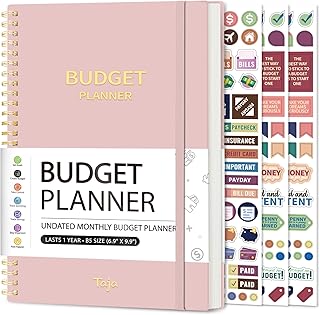
You can’t fix what you don’t measure. Start by recording every single transaction for one month. Use a simple notebook, a spreadsheet, or a dedicated tool like the Budget Planner – Monthly Budget Book with Expense Tracker Notebook, Undated Bill Organizer & Finance Planner to Take Control of Your Money (pink version – $8.99, 4.6 stars). This physical planner gives you a clear, distraction-free way to log income and expenses.
What to Track
| Category | Examples |
|---|---|
| Fixed expenses | Rent, mortgage, car payment, insurance |
| Variable expenses | Groceries, gas, dining out, entertainment |
| Debt payments | Minimums, extra payments, late fees |
| Income | Salary, side hustles, gifts |
At the end of 30 days, total each category. You’ll likely spot one or two areas where you’re overspending. That’s your debt-fighting fuel.
Step 2: Build a Debt-Focused Budget
Once you know your spending patterns, create a budget that prioritizes debt repayment. The most effective method for debt payoff is the 50/30/20 rule, adapted for aggressive debt reduction:
- 50% – Needs (housing, utilities, food, minimum debt payments)
- 30% – Wants (cut this percentage if you’re serious about speed)
- 20% – Savings + extra debt payments
But if you’re drowning in debt, you may need to temporarily shift to 50/20/30 or even 50/10/40 — cut wants to the bone and pour everything extra into debt.
Pro Tip: Use a Zero-Based Budget
Every dollar you earn gets assigned a job — including every dollar you plan to pay toward debt. By the end of the month, your income minus expenses equals zero. This forces you to account for every single dollar.
To help you stick with zero-based budgeting, try the SKYDUE Budget Binder, Money Saving Binder with Zipper Envelopes, Cash Envelopes and Expense Budget Sheets for Budgeting ($8.98, 4.7 stars). It’s a complete system for tracking cash spending and staying on budget.

Step 3: Choose Your Debt Payoff Strategy
Two methods dominate the personal finance world: Debt Snowball and Debt Avalanche. Both work, but they appeal to different mindsets.
| Strategy | How It Works | Best For |
|---|---|---|
| Debt Snowball | Pay off smallest balance first, then roll that payment to the next | People who need quick wins for motivation |
| Debt Avalanche | Pay off highest interest rate first | People who want to minimize total interest paid |
👉 Read our detailed comparison: Debt Snowball vs. Debt Avalanche: Which Payoff Strategy Saves You More?
Which One Should You Choose?
If you’re struggling with discipline, the snowball method often wins because the psychological boost of paying off a small debt keeps you going. If you’re number-driven and can stay motivated by math, avalanche saves you more in the long run.
Either way, consistency matters more than the method. Pick one and commit.
Step 4: Negotiate Better Terms with Creditors
Many people skip this step because they’re afraid of confrontation. But creditors are often willing to negotiate — especially if you’re honest about your situation.
Call your credit card companies, student loan servicers, or medical billing departments. Ask for:
- Lower interest rate – Mention competitor offers or good payment history.
- Hardship program – Temporary rate reduction or minimum payment relief.
- Waived late fees – Especially if this is your first late payment.
Even a 2% rate drop can save you hundreds over the life of a debt. Don’t be shy — polite persistence pays off.
Need exact scripts? Check How to Negotiate with Creditors and Lower Your Interest Rates?
Step 5: Cut Expenses Aggressively (But Sustainably)
You already identified non-essential spending in Step 1. Now it’s time to slash it — but not so drastically that you burn out.
Low-Hanging Fruit
- Cancel unused subscriptions (streaming, gym, apps).
- Cook at home 5–6 nights a week.
- Use a cash envelope system to control variable spending.
- Switch to a cheaper phone plan or insurance provider.
A great tool to help you stay organized is the NICOOTH Budget Binder Cash Envelopes A6 Money Saving Binder with Zipper envelopes (Purple) ($6.28, 4.6 stars). It’s compact, durable, and perfect for the cash envelope method — a proven way to stop overspending.
Expert Insight: “The cash envelope system works because you physically see the money leave. That visual cue triggers a stronger emotional response than swiping a card.” — Rachel Cruze, financial educator.
Step 6: Increase Your Income (Even Temporarily)
Budget cuts only go so far. The fastest way to accelerate debt payoff is to earn more money, even for a short season.
Side Hustle Ideas
- Freelancing (writing, graphic design, virtual assistant)
- Rideshare or delivery driving
- Selling unused items on eBay or Facebook Marketplace
- Pet sitting or house sitting
- Part-time retail or restaurant work
Every extra dollar you earn should go directly toward your debt. Think of it as buying your future freedom, one shift at a time.
If you’re on a low income, see Managing Debt on a Low Income: Practical Moves That Make a Real Difference
Step 7: Automate Everything to Avoid Temptation
Human willpower is limited. Automation removes the need for willpower.
Set up automatic transfers:
- Automatic bill pay for minimum debt payments.
- Automatic extra payment to your priority debt (snowball or avalanche target).
- Automatic savings for emergencies (even $20 per paycheck builds a buffer).
When the money leaves your account before you see it, you can’t spend it somewhere else.
Step 8: Rebuild Your Financial Foundation
As you pay down debt, don’t neglect the basics. An emergency fund is your best protection against new debt. Life happens — car repairs, medical bills, losing a job. If you don’t have cash saved, you’ll reach for credit again.
Recommended Order
- Save $1,000 starter emergency fund.
- Pay off all non-mortgage debt.
- Build 3–6 months of expenses in savings.
- Invest for retirement.
This is known as the Debt Stack method, popularized by Dave Ramsey. It works because it balances debt reduction with protection.
Step 9: Stay Motivated with Progress Tracking
Debt payoff is a marathon, not a sprint. Celebrate small wins to keep momentum.
- Mark off debts on a visual chart.
- Share your progress with an accountability partner.
- Reward yourself (with a small, free treat) after every 10% of debt paid.
You can also track your net worth monthly — seeing the number go from negative to positive is incredibly motivating.
Step 10: Avoid Common Pitfalls
Even with the best plan, traps lurk. Watch out for:
- Lifestyle creep – Getting a raise and immediately upgrading your lifestyle instead of paying more debt.
- Balance transfer fees – Might not save money if you carry a transfer fee higher than the interest you avoid.
- Minimum payment trap – Paying only the minimum extends your debt for years.
- Taking on new debt – Avoid using credit cards while paying off old debt. Need help? Read How to Stop Using Credit Cards While Still Staying Financially Afloat
The Role of Debt Consolidation
Consolidation can simplify multiple payments into one monthly bill, often with a lower interest rate. But it’s not a cure-all. You must address the root cause — overspending — or you’ll end up deeper in debt.
Before consolidating, ask:
- Will the new interest rate actually be lower?
- Are there fees I’m not seeing?
- Am I committed to not using credit cards after consolidation?
Learn more: When to Consolidate Debt and When to Avoid It Completely
Real-World Examples
Example 1: Sarah’s Snowball Success
Sarah had $15,000 in debt across four cards. She used the Budgeting 101: From Getting Out of Debt and Tracking Expenses to Setting Financial Goals and Building Your Savings, Your Essential Guide to Budgeting book ($9.69, 4.6 stars) to learn tracking basics. She paid off the smallest $1,200 card in two months, then rolled that payment to the next. In 14 months, she was debt-free.

Example 2: Tom’s Avalanche Attack
Tom had $8,000 in credit card debt at 22% APR and a $4,000 student loan at 5%. He paid extra on the high-interest card first, saving over $1,200 in interest compared to the snowball approach. He bought the Budget Planner – Monthly Budget Book with Expense Tracker Notebook, Undated Bill Organizer & Finance Planner to Take Control of Your Money, Account Book to Manage Your Finances-Black ($8.99, 4.6 stars) to keep his budget on track.
Special Debt Situations
Medical Debt
Medical bills are often negotiable and less damaging to your credit than other debts. Hospitals offer charity care and payment plans. Never ignore a medical bill — call to discuss options.
Detailed guide: Medical Debt Management: Options, Rights, and Negotiation Scripts
Student Loans
Federal student loans offer income-driven repayment plans, forbearance, and forgiveness programs. Private loans are tougher — consider refinancing only if you have good credit and stable income.
Read: Student Loan Debt Management Strategies for Borrowers at Every Income Level
After Bankruptcy or Settlement
Rebuilding takes time. Use secured credit cards, keep utilization low, and pay every bill on time. Your credit score will recover faster than you think.
How-to: How to Rebuild Your Finances after a Debt Settlement or Bankruptcy?
Summary: Your 90-Day Action Plan
| Week | Action |
|---|---|
| 1–2 | Track every expense daily. |
| 3 | Build zero-based budget. |
| 4 | Contact creditors to negotiate rates. |
| 5–6 | Cut three non-essential expenses. |
| 7–8 | Start side hustle or extra work. |
| 9–10 | Automate extra debt payments. |
| 11–12 | Celebrate first debt paid off! |
Commit to this plan for 90 days. The habits you build will last a lifetime.
Frequently Asked Questions About Debt Management
Q: What is the fastest way to get out of debt?
A: The fastest way combines aggressive budgeting, extra income from a side hustle, and either the debt snowball or avalanche method. The specific path depends on your personality and financial situation.
Q: Should I pay off debt or save first?
A: Save a small emergency fund ($1,000) before paying extra on debt. This prevents you from going back into debt when unexpected expenses arise.
Q: How can I manage debt on a low income?
A: Start by cutting all non-essential spending. Consider a debt management plan through a nonprofit credit counselor. Even small extra payments speed up payoff.
Q: Will settling debt hurt my credit?
A: Yes, settled accounts show as “settled” on your credit report, which can lower your score. But it still may be better than defaulting. Weigh the trade-offs carefully.
Q: What is a debt management plan?
A: A DMP is an arrangement with a credit counseling agency to consolidate your unsecured debts into one monthly payment, often with reduced interest rates. It’s not a loan — it’s a repayment plan.
Q: Can I negotiate credit card debt myself?
A: Absolutely. Call your creditor, explain hardship, and ask for a lower rate or hardship program. Many will accommodate if you’re polite and persistent.
Q: Is debt consolidation a good idea?
A: Only if you’ve addressed the underlying spending behavior. Otherwise, you risk running up balances again and ending up with more total debt.
Take the First Step Today
Debt doesn’t have to define your future. With a solid budget, the right strategy, and tools like a Budget Planner or a SKYDUE Budget Binder, you can take control this week.
Pick one action from the 90-day plan. Do it today. Then do it again tomorrow. That’s how momentum builds — and how debt disappears.
You’ve got this.