 Insurance Curator
Most people think budgeting is about cutting joy out of your life. You skip the morning latte, cancel weekend getaways, and stare at spreadsheets filled with restrictions. No wonder so many budgets fail within the first few weeks.
But what if budgeting was actually about saying a confident yes to the things you value most? That’s the promise of values-based budgeting — a method that puts your priorities first and eliminates the guilt that eats away at your spending.
Instead of asking “How can I spend less?”, you ask “How can I align my money with what truly matters to me?” The result? More financial freedom, less shame, and a budget you actually stick to.
In this deep dive, you’ll learn exactly how to build a values-driven budget, get practical tools to track it, and discover why this shift makes guilt-free spending not only possible but effortless.
What Is Values-based Budgeting? (And Why It Works)
Values-based budgeting is a money management system that starts with your personal core values — not with a number or a percentage. Traditional budgets often impose arbitrary caps on categories (50/30/20, for instance), but they ignore why you spend.
The core idea: You identify 3–5 non-negotiable values (like travel, family time, health, or personal growth) and then give yourself full permission to spend generously on those areas — while cutting ruthlessly on everything that doesn’t align.
This approach taps into behavioral psychology. When your spending matches your values, you no longer experience the cognitive dissonance that creates guilt. You feel in control, not deprived.
“A budget is telling your money where to go instead of wondering where it went.” — John Maxwell
Values-based budgeting takes that classic quote one step further: it tells your money to go exactly where it will bring you the most fulfillment.
How to Create a Values-based Budget in 5 Steps
Ready to build your own guilt-free spending plan? Follow these steps. Each one will move you from restriction to alignment.
Step 1: Identify Your Top 3–5 Personal Values
Set aside 20 minutes. No distractions. Write down what matters most to you. Be honest — not what society tells you to value.
Common value categories:
- Experiences (travel, concerts, dining out)
- Relationships (gifts, family activities, date nights)
- Health (gym memberships, organic food, therapy)
- Growth (courses, books, coaching)
- Security (savings, insurance, home maintenance)
- Contribution (charity, gifts to others, volunteering expenses)
Pick the ones that make your heart beat a little faster. These will be your “spend guilt-free” categories.
Step 2: Review Your Actual Spending Over the Past 3 Months
Pull out your bank statements or use a tracker. Don’t judge — just observe. Group your expenses into three buckets:
- Values-aligned: spending that directly supports your top values.
- Values-neutral: necessary costs with no emotional weight (rent, utilities, basic groceries).
- Values-misaligned: spending that drains money without giving you joy or progress (subscriptions you never use, impulse Amazon buys, expensive clothes you never wear).
This audit reveals where your money is actually going vs. where you want it to go.
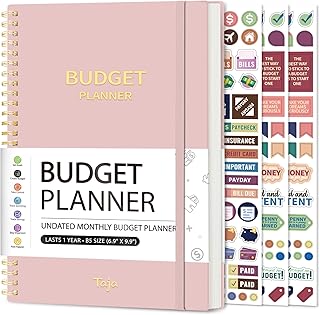
Pro tip: Use a tool like the Budget Planner – Monthly Budget Book with Expense Tracker Notebook to record your monthly habits. It’s rated 4.6 stars and costs just $8.99. You’ll see patterns you never noticed on screens.
Step 3: Set Percentages That Reflect Your Values
Now, instead of a generic 50/30/20 split, create your own ratio. For example:
- 30% – Values-aligned spending (travel, hobbies, self-care)
- 50% – Essentials (rent, food, transport)
- 15% – Future-focused (savings, debt payoff)
- 5% – Mindless buffer (you’ll shrink this over time)
Adjust the percentages until they feel right. The key: your values-aligned category should get the bulk of your discretionary income. That’s the guilt-free part.
Step 4: Automate Essentials & Create a “Guilt-Free” Spending Account
Set up automatic transfers for rent, bills, savings. Then open a separate checking account or use a cash envelope system for your values-aligned spending. When the money is there, you spend it — no questions, no guilt.
Tools like the NICOOTH Budget Binder Cash Envelopes A6 ($6.28, 4.6 stars) make this tactile and effective. Fill each envelope with cash for your top values (e.g., “Travel Fund,” “Date Nights,” “Gym Gear”). When the envelope is empty, you stop.

For digital lovers, the SKYDUE Budget Binder ($8.98, 4.7 stars) combines cash envelopes with expense sheets — perfect for hybrid tracking.

Step 5: Weekly Check-ins (No Shame Allowed)
Every Sunday, spend 10 minutes reviewing your values-aligned spending. Did you use your money for what matters? If you overspent in a values category, celebrate — you invested in joy. If you underspent, consider moving that money to savings or next week’s guilt-free fund.
The only “failure” is spending on things that don’t matter to you. And that becomes rare when you have a system.
Real-life Examples: Values-based Budgeting in Action
Let’s see how different people apply this method.
Example 1: The Travel Enthusiast
Values: Adventure, Learning, Connection
- Income: $4,500/month
- Values category: 25% ($1,125) — all goes to travel savings and weekend trips.
- Sacrifices: No cable TV, no new gadgets, no expensive lunches out.
- Result: Two international trips per year, zero guilt. They know every dollar saved on takeout buys memories abroad.
Example 2: The Homebody Gamer
Values: Comfort, Gaming, Family time
- Income: $3,200/month
- Values category: 20% ($640) — spent on game subscriptions, quality snacks, cozy home upgrades.
- Sacrifices: No gym membership, no expensive coffee dates.
- Result: A fully upgraded gaming setup and weekly board game nights. Friends think they’re rich — they’re just values-focused.
Example 3: The Health Junkie
Values: Health, Longevity, Self-care
- Income: $6,000/month
- Values category: 30% ($1,800) — organic groceries, gym membership, therapy sessions, massage.
- Sacrifices: No new clothes unless absolutely needed, no streaming services other than one.
- Result: Excellent physical and mental health; medical bills are lower than peers.
Key insight: In every case, the person achieves more of what they love because they cut ruthlessly on what they don’t care about.
Why Traditional Budgets Fail (And This One Doesn’t)
Traditional budgets treat all spending as equal. Coffee is bad. Travel is indulgence. This creates a scarcity mindset that breeds rebellion.
Values-based budgeting flips the script. You give yourself a generous allowance for what you love. The brain interprets this as abundance, not deprivation. You stop fighting your budget because your budget is designed to make you happy.
Research in behavioral finance confirms: when people link spending to identity and values, they save more effectively and feel more satisfied. It’s not about willpower — it’s about alignment.
Tools to Support Your Values-based Budget
A great system needs a great tool. Here are the top-rated Amazon products to keep you on track.
| Product | Price | Rating | Best For |
|---|---|---|---|
| Budget Planner (Pink) | $8.99 | 4.6 | Monthly expense tracking, undated |
| NICOOTH Budget Binder (Purple) | $6.28 | 4.6 | Cash envelope system on the go |
| SKYDUE Budget Binder | $8.98 | 4.7 | Full system with zipper envelopes |
| Budget Planner (Black) | $8.99 | 4.6 | Clean, professional look |
| Budgeting 101 Book | $9.69 | 4.6 | Foundational knowledge + values approach |
Each of these tools is designed to make tracking simple. Pair your values categories with a physical planner or binder, and you’ll stay mindful without digital distractions.

For a deeper dive into the philosophy, grab Budgeting 101: From Getting Out of Debt and Tracking Expenses to Setting Financial Goals and Building Your Savings. It covers values-based thinking and is an excellent companion read.

Overcoming Common Obstacles
Even with a values-based budget, challenges arise. Here’s how to handle them.
“I feel guilty spending on myself even when it’s in my values category.”
Fix: Remind yourself that the money is allocated for exactly this purpose. Every dollar you don’t spend on your values leaves the budget unbalanced. Spend it — that’s what it’s for.
“My partner and I have different values.”
Fix: Create separate values-based allocations within the same budget. Each partner gets a guilt-free amount to spend on their own priorities. This is covered extensively in our guide on Couples Budgeting Guide: How to Combine Money Without Constant Fights.
“My income is irregular — can I still use values-based budgeting?”
Fix: Absolutely. Base your values category on a conservative floor income. When you earn more, add surplus to those categories. Read Budgeting on an Irregular Income: How to Plan When Your Paychecks Fluctuate for specifics.
“I still overspend in a values category.”
Fix: That’s fine — it means you value that area highly. Just adjust the percentage next month. If you chronically overspend outside your values, it’s time to audit that category and cut it.
Advanced: Integrating Values with Zero-based Budgeting
If you love the rigor of giving every dollar a job, combine values-based budgeting with Zero-based Budgeting Explained: a Simple Method to Tell Every Dollar Where to Go.
The hybrid method:
- Assign every dollar a purpose.
- Classify each purpose as values-aligned, neutral, or misaligned.
- Zero out misaligned categories as quickly as possible, redirecting those dollars to values-aligned categories.
This creates maximum intentionality. You’re not just avoiding waste — you’re creating joy.
The Lifelong Benefit: Financial Peace of Mind
When your budget reflects your values, you stop worrying about money. You know exactly where it’s going, and you’re proud of every transaction. The old shame spiral — “I shouldn’t have bought that” — disappears.
Long-term effects:
- Higher savings rate (because you naturally cut junk spending)
- Deeper satisfaction from purchases
- Better relationships (no money fights)
- Increased motivation to earn more (since money fuels your passions)
This isn’t just a budgeting method. It’s a lifestyle that turns money into a tool for a meaningful life.
FAQ: Values-based Budgeting
Q: Do I have to give up everything I enjoy?
A: No — quite the opposite. You double down on what you love and cut only what doesn’t matter to you.
Q: Can values change over time?
A: Yes. Review your values every 6–12 months and adjust your budget accordingly.
Q: Is this method compatible with debt payoff?
A: Yes. Make debt freedom one of your core values, and allocate a guilt-free category for extra payments.
Q: What if my values conflict with essential expenses?
A: Essentials always come first. Values-based discretionary spending happens after needs are covered.
Q: Do I need a special tool?
A: Not necessarily, but the planners and binders listed above make tracking far easier and more satisfying.
Next Steps: Start Your Values-based Budget Today
You now have the blueprint. The only missing piece is action.
- List your top 3–5 values.
- Review your last 3 months of spending.
- Choose a tracking tool — I recommend the SKYDUE Budget Binder for its high rating and all-in-one design.
- Set a weekly check-in on your calendar.
- Spend guilt-free on what you love.
For deeper foundations, read Beginner’s Budgeting Blueprint: How to Take Control of Your Money in 30 Days. If you’re living paycheck to paycheck, start with How to Build a Budget When You’re Living Paycheck to Paycheck?.
Remember: a budget is not a cage. It’s a permission slip for the life you want. Values-based budgeting gives you that permission — and takes away the guilt for good.