 Insurance Curator
Losing a partner is devastating, and the last thing you need is confusing government jargon. Bereavement Support Payment (BSP) is a tax-free lump sum and monthly benefit designed to help you cope financially after your spouse or civil partner dies. It’s not means-tested, so your savings or existing life insurance policies won’t stop you from claiming. In this guide, we’ll walk you through who qualifies, how much you can expect, and exactly how to claim – without the legal speak.

What Is Bereavement Support Payment?
BSP replaced several older benefits (like Bereavement Payment and Widowed Parent’s Allowance) in April 2017. It gives you a one-off lump sum and up to 18 monthly instalments, all tax-free. The amount you receive depends on whether you have dependent children and on your late partner’s National Insurance (NI) contribution record.
If your partner died before April 2017, you may be eligible for other benefits under the old system, but BSP is the modern, simplified version.
Who Qualifies for Bereavement Support Payment?
You’re eligible if all of these apply:
- You were under State Pension age when your partner died.
- You were legally married or in a civil partnership at the time of death.
- Your partner paid enough National Insurance contributions (or their death was caused by their job).
- You live in the UK (some exceptions for expats – see our guide on Bereavement Benefits for Expats and Foreign Nationals Living in the UK: What You Can and Can’t Claim)
What if you’re not married? Unmarried partners don’t qualify for BSP, but you might be able to claim other support like Funeral Expenses Payment or Universal Credit.
What if you’re over State Pension age? You may be entitled to a different one-off payment called Bereavement Support Payment for people over pension age (or Pension Credit).
How Much Will You Receive?
The amounts change each April, but here’s the current structure (2024/25 rates):
| Scenario | Lump Sum | Monthly Instalment | Total (18 months) |
|---|---|---|---|
| With children (entitled to Child Benefit) | £3,500 | £350 | £9,800 |
| Without children (standard rate) | £2,500 | £100 | £4,300 |
These figures are tax-free. You don’t need to declare them on your tax return.
If your partner died due to an industrial accident or disease, you may qualify for a higher rate under the Industrial Injuries Disablement Benefit scheme.
How to Claim Bereavement Support Payment
You can claim online at GOV.UK, by phone, or by post. The quickest way is online, but any method works.
Step-by-step online claim
- Visit the official GOV.UK Bereavement Support Payment page.
- Sign in with a Government Gateway ID (create one if you don’t have it).
- Fill in your personal details, your late partner’s National Insurance number, and the date of death.
- Upload or send copies of your marriage/civil partnership certificate and your partner’s death certificate.
- Hit submit – you’ll get a confirmation reference.
What documents do you need?
- Your partner’s death certificate (usually from the registry office)
- Your marriage or civil partnership certificate
- Your partner’s National Insurance number
- Your bank or building society details (for payment)
If you can’t find the marriage certificate, you can still apply – the Department for Work and Pensions (DWP) will accept a letter from the registrar or other evidence.
Bereavement Support Payment and Life Insurance: What You Need to Know
A common worry is that claiming BSP will affect your life insurance payouts. It won’t. BSP is not means-tested, so any lump sum from a private life insurance policy or a workplace death-in-service benefit doesn’t reduce your eligibility. In fact, these two forms of financial support work beautifully together: BSP covers immediate state help, while life insurance gives you a larger lump sum to pay off a mortgage, fund children’s education, or simply provide long-term security.
However, be careful with means-tested benefits like Universal Credit or Housing Benefit. A large life insurance payout may temporarily affect those, but BSP itself is always disregarded. For a full breakdown, read our guide How Life Insurance Payouts Affect Your Eligibility for UK Bereavement and Means-tested Benefits?
If you’re unsure about how to build a complete safety net, the book Life Insurance Made Simple: A Clear and Practical Guide for Every Stage of Life is an excellent resource – it walks you through choosing the right policy and coordinating it with state support.
Common Questions and Pitfalls
How long after death can I claim?
You have up to 21 months from the date of death to make a claim. After that, you lose entitlement. If you apply within 3 months, payments start quickly. If you wait longer, you’ll still get the full amount but it will be backdated.
Will BSP affect my tax code?
No – it’s tax-free and doesn’t count as income for tax purposes.
Can I claim if I remarried after my partner died?
You’re still eligible if you were married at the time of death, even if you remarry later. The claim must be based on the original relationship.
What if my partner died before April 2017?
You may be entitled to Widowed Parent’s Allowance, a Bereavement Payment, or a Widow’s Pension under the old rules. See our dedicated article Widowed Parent’s Allowance Explained: Help for Bereaved Parents of School-age Children
Additional Support You Should Know About
Bereavement Support Payment is just one piece of the puzzle. You may also be eligible for:
- Funeral Expenses Payment: What It Covers, Who Can Apply and How Much You Might Get – to help cover burial or cremation costs
- What Financial Help Is Available for Bereaved Families on Universal Credit or Other UK Benefits?
- Local Council and Charity Grants for Funerals and Emergency Costs Across UK Cities
If you have dependent children, you might also get Child Benefit (even if you don’t claim BSP) and Widowed Parent’s Allowance (if your partner died before April 2017). For an all-in-one checklist, see Step-by-step: Applying for Bereavement Benefits after a Partner’s Death in England, Scotland, Wales and Northern Ireland
Final Thoughts
Bereavement Support Payment isn’t a silver bullet, but it provides a critical financial cushion when you need it most. It’s designed to be simple and quick to claim, and it works alongside any life insurance you already have. Check your late partner’s NI record – many people assume they won’t qualify, but it’s worth applying even if you’re unsure.
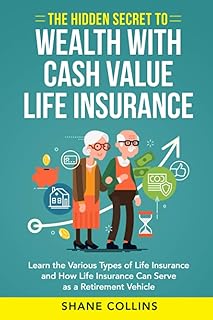
To get a deeper understanding of how life insurance can protect your family beyond state benefits, consider reading The Hidden Secret to Wealth with Cash Value Life Insurance: Learn the Various Types of Life Insurance and How Life Insurance Can Serve as a Retirement Vehicle. It’s a practical guide that shows how life insurance fits into your overall financial plan.
Don’t wait – if you lost a partner in the last 21 months, start your BSP claim today. It’s one less thing to worry about during an incredibly difficult time.