 Insurance Curator
Every business owner dreams of a graceful exit—whether that means retiring, selling up, or passing the torch to a successor. But too many directors in the UK focus solely on the financial side of succession while overlooking a critical risk: what happens if a key person or shareholder dies before the plan is executed?
Life insurance is the engine that powers most exit strategies. Without it, a sudden death can force a fire sale, trigger ownership disputes, or leave the company unable to operate. This article explores how to use business protection life insurance to secure your exit plan and keep your company stable long after you step away.
Why Exit Planning and Business Protection Go Hand in Hand
Exit planning is more than a retirement date and a valuation. It requires a legal and financial framework that handles the unexpected. Life insurance provides the liquidity needed to execute a buy-sell agreement, replace lost revenue from a departed key person, or pay off debts that could stall a sale.
According to recent UK industry data, over 60% of small businesses have no formal exit strategy. Even fewer have arranged life insurance to fund that strategy. That gap can cost families and remaining partners dearly.
For a deeper dive into how life insurance supports ownership stability, read our guide on Shareholder Protection Insurance Explained: Keeping Ownership Stable after a Death.
The Role of Life Insurance in Key Person Protection
A key person might be the founder, the lead sales director, or the technical genius behind your product. Their death can slash revenue, damage client relationships, and undermine lender confidence. Key person insurance pays a tax-free lump sum to the company, giving it time to recruit, retrain, or restructure.
This is especially vital for small and medium-sized enterprises (SMEs) in cities like London, Manchester, and Birmingham, where talent pools are competitive and replacement costs high. Without cover, a sudden loss could force the company into insolvency.
Learn more about valuing a key person in our article: How to Value a Key Person for Insurance: Revenue, Profit, and Replacement Costs?.
Shareholder Protection and Buy-Sell Agreements
When a shareholder dies, their shares pass to their estate—often to a spouse or children who may have no interest in running the business. This can create deadlock or force unwanted partnerships.
A buy-sell agreement funded by life insurance solves this. The remaining shareholders receive a payout that buys the deceased’s shares at a pre-agreed price. The family gets cash, and the business stays in safe hands.
Funding a buy-sell agreement with life insurance is both practical and tax-efficient. The premiums are typically not deductible, but the proceeds are paid free of income or corporation tax when structured correctly.
For a complete breakdown, see: Funding a Buy-sell Agreement with Life Insurance: Protecting Remaining Shareholders.
Using Life Insurance to Protect Business Loans and Director Guarantees
Many UK business owners personally guarantee company loans. If they die, the lender can call in the debt, often forcing the business to sell assets or fold. Life insurance assigned to the lender or held in trust can cover that obligation.
Similarly, relevant life policies (RLP) offer an efficient way for limited company directors to obtain life cover without incurring a benefit-in-kind tax charge. This is increasingly popular in cities like Leeds and Bristol, where director-owned businesses dominate.
Explore the advantages in: Life Insurance for Limited Company Directors: Relevant Life Policies and Their Advantages.
Tax Treatment of Key Person and Shareholder Protection in the UK
Tax efficiency matters. Premiums for key person insurance are not tax-deductible if the policy is intended to protect profits or replace lost revenue. However, if the policy covers a loan or a specific capital need, premiums may be allowable.
Proceeds from key person insurance are generally tax-free as they are capital receipts, but HMRC may treat them as trading income if the policy covers revenue loss. Always consult a tax advisor or specialist broker.
Our guide on Tax Treatment of Key Person and Shareholder Protection in the UK: What Directors Should Know explains the nuances in plain English.
Real Product Insights: What the Market Offers
To put this into practice, consider two highly rated resources that help directors understand and implement these strategies.
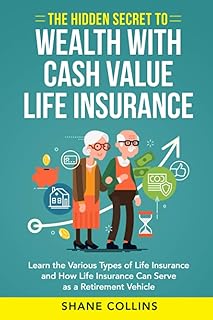
The Hidden Secret to Wealth with Cash Value Life Insurance (4.5 stars) explains how life insurance can serve as both protection and a retirement vehicle. While primarily personal, the principles apply directly to business owners looking to build tax-efficient cash value alongside their exit plan.

Life Insurance Made Simple (4.8 stars) is a must-read for directors who want a clear, jargon-free overview of how life insurance fits into business succession and key person protection.
These books are available via Amazon and provide actionable insights for UK business owners who want to master exit planning.
Creating a Business Protection Plan: Step by Step
- Step 1: Identify key individuals. List directors, shareholders, and irreplaceable staff.
- Step 2: Value the financial impact. Use revenue multiples, profit contribution, or replacement cost.
- Step 3: Choose the right type of cover. Term assurance for straightforward buy-sell funding; whole life or relevant life for longer-term needs.
- Step 4: Draft a legal agreement. A buy-sell or cross-option agreement ensures the payout is used correctly.
- Step 5: Review annually. Business valuations and key person roles change over time.
City-Specific Considerations in the UK
- London: High property values and expensive talent mean key person cover amounts should be larger. Also consider key person cover for start-ups with venture debt.
- Manchester & Birmingham: Growing SME hubs — many directors rely on personal guarantees. Life insurance assigned to lenders is critical.
- Leeds & Bristol: Strong professional services sectors. Shareholder protection is common in law firms and accountancy practices.
- Edinburgh & Glasgow: Family-run businesses are prevalent. Buy-sell agreements funded by life insurance prevent inheritance disputes.
For a deeper look at lean strategies for younger companies, read Key Person Cover for Start-ups: Lean Strategies That Still Shield the Business.
Common Mistakes to Avoid
- Relying on personal life insurance alone. It goes to the estate, not the business.
- Not updating cover amounts as the company grows.
- Forgetting to include shareholder protection in the exit plan.
- Ignoring tax implications of premium payments and proceeds.
Final Thoughts
Exit planning without business protection is like building a ship without lifeboats. Life insurance provides the financial certainty that your company—and its people—will survive a sudden loss and still execute your succession goals.
Whether you are a sole director in a London start-up or a partner in a Manchester law firm, the principles are the same: identify the risk, quantify it, and fund it with the right policy.
Start today by reviewing your business protection needs with a qualified adviser. And if you want to study the topic in depth, pick up a copy of The Hidden Secret to Wealth with Cash Value Life Insurance or Life Insurance Made Simple from the links above.
A well-protected business is a saleable business. Make sure your legacy is secure.