 Insurance Curator
When you sign a personal guarantee for a business loan, you put your personal assets on the line. If the unexpected happens—an illness, accident, or death—your family could inherit that debt. Life insurance offers a smart, tax-efficient way to shield both your business and your loved ones.
Directors across the UK, from London to Manchester, are discovering that a well-structured life policy can transform a risky guarantee into a manageable commitment. This article explains how to use life insurance to protect business loans and director guarantees, covering policy types, tax treatment, and practical steps.
Why Business Loans and Director Guarantees Need Protection
A director guarantee is a personal promise to repay a business loan if the company defaults. Lenders often require this for small and medium-sized enterprises (SMEs) because they lack the trading history or assets of larger firms.
The risk is real: if you die or become critically ill, your estate is still liable. Your family could lose their home, savings, or inheritance. Life insurance ensures that a lump sum is paid out to cover the outstanding debt, leaving your loved ones financially secure.
Fact: According to the UK’s Money Advice Service, nearly 40% of small business owners have signed a personal guarantee. Yet fewer than one in five have life cover tied to that debt.
How Life Insurance Works as a Safety Net for Guarantees
A life insurance policy can be structured to match the term of your loan. If you pass away during the policy term, the payout goes directly to your nominated beneficiary or the lender. This removes the burden from your estate.
- Term life insurance is the most common choice. It covers you for a fixed period (e.g., 10, 20, or 25 years). Premiums are lower than whole life, making it ideal for short-to-medium loan terms.
- Decreasing term insurance is specifically designed for repayment loans. As the loan balance falls, the cover amount falls too, keeping premiums affordable.
- Relevant life policies are a tax-efficient option for limited company directors. The policy is owned by the company, and premiums are deductible as a business expense.
For directors in Birmingham or Glasgow who want to separate personal and business cover, a relevant life policy can be written in trust to keep the payout outside your estate for inheritance tax purposes.
Types of Life Insurance Policies for Business Loans
| Policy Type | Best For | Key Advantage |
|---|---|---|
| Level Term | Fixed loan amounts (e.g., a director guarantee of £100,000) | Constant cover amount throughout the term |
| Decreasing Term | Repayment mortgages or reducing loans | Lower premiums as debt decreases |
| Relevant Life Policy | Limited company directors | Tax-deductible premiums, no benefit-in-kind |
| Whole of Life | Long-term protection or estate planning | Guaranteed payout whenever death occurs |
For most directors protecting a business loan, level term or decreasing term insurance offers the best value. If you want to learn more about separating personal and business cover, see our guide: Life Insurance for Small Business Owners: Separating Personal and Business Cover.
Setting Up a Policy: Step-by-Step
- Calculate the loan amount you need to cover. Include interest and fees.
- Decide the term (the length of the loan or guarantee period).
- Choose the policy type (level, decreasing, or relevant life).
- Nominate a beneficiary – often the lender directly, or a trust set up for your family.
- Write the policy in trust – this ensures the payout doesn’t count towards your estate for inheritance tax (IHT).
- Review annually – as loans are repaid or new guarantees signed, adjust the cover.
Real-World Example: Protecting a Director Guarantee in London
Imagine Sarah, a director of a London-based marketing agency. She signs a personal guarantee for a £200,000 business loan over 10 years. She takes out a level term life insurance policy for £200,000, written in trust.
Two years later, Sarah is diagnosed with a terminal illness. The policy pays out early (most UK policies include terminal illness cover), clearing the loan. Her family keeps the business and their home. Without the policy, they would have faced a £200,000 debt.
If Sarah had been based in Manchester or Edinburgh, the same structure applies. Lenders across the UK accept life insurance as proof of risk mitigation, often making them more willing to approve loans.
Tax Treatment of Life Insurance for Director Guarantees
In the UK, personal life insurance premiums are not tax-deductible for sole traders or partners. However, limited company directors can use a relevant life policy (RLP) to get tax relief. The company pays the premiums and treats them as a business expense, saving Corporation Tax. There is no benefit-in-kind charge for the director.
For more on this, read: Tax Treatment of Key Person and Shareholder Protection in the UK: What Directors Should Know.
If you want to protect multiple directors, a group life insurance scheme can be even more cost-effective. But RLPs offer flexibility for each individual.
Why You Should Also Consider Shareholder Protection
If your business has multiple shareholders, a director’s death could trigger a buy-out that leaves the company’s ownership in limbo. Life insurance can fund a buy-sell agreement, ensuring remaining shareholders can purchase the deceased’s shares without draining company cash.
Learn more in our guide: Funding a Buy-sell Agreement with Life Insurance: Protecting Remaining Shareholders.
Best Resources to Deepen Your Knowledge
One of the most helpful books for understanding how life insurance can protect wealth is Life Insurance Made Simple: A Clear and Practical Guide for Every Stage of Life. It breaks down complex topics into actionable steps—perfect for directors juggling business and personal finances.

Life Insurance Made Simple – Price: $34.99 – Rating: 4.8 – A clear guide for every life stage.
Another excellent read is The Hidden Secret to Wealth with Cash Value Life Insurance, which explores how cash-value policies can serve as a retirement vehicle while protecting loans.
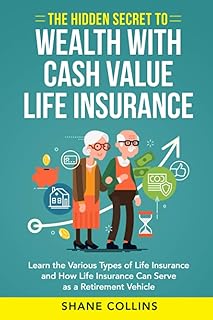
Both books are available on Amazon and provide deeper insights into using life insurance as a financial tool for business owners.
Protect Your Business and Your Family
Using life insurance to back a director guarantee is not just prudent—it’s a sign of responsible leadership. Whether you’re in London, Leeds, Cardiff, or Belfast, the same principle applies: don’t let a business debt become a family tragedy.
- Review your current guarantees.
- Speak to a broker who understands business protection.
- Consider writing the policy in trust to avoid IHT.
For more on this topic, explore our pillar content: Key Person Insurance in the UK: How It Works and Which Staff You Should Protect.
And if you’re a start-up founder, check out: Key Person Cover for Start-ups: Lean Strategies That Still Shield the Business.
Take action today. A simple life insurance policy could be the smartest business decision you make this year.