 Insurance Curator
 Navigating Uncertainty in the Nigerian Landscape
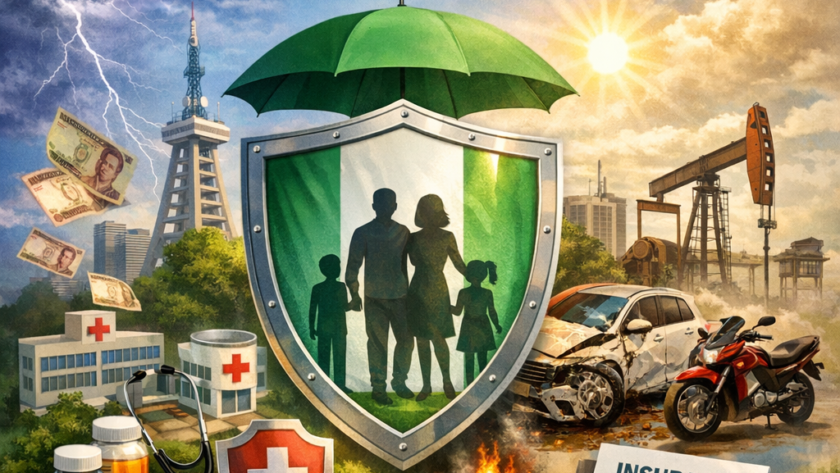
In Nigeria, the only thing certain is uncertainty. From the bustling streets of Lagos to the entrepreneurial hubs of Kano, life moves at a fast pace, bringing with it a unique set of risks. Whether it is a sudden health crisis, a road mishap, or a fire outbreak in a marketplace, unforeseen events can wipe out years of hard-earned savings in an instant.
Despite the common misconception that insurance is an unnecessary “extra” expense, it is actually one of the most vital tools for financial survival and growth. Here are seven essential benefits of having insurance in Nigeria.
1. Financial Protection Against Losses
The primary role of insurance is to act as a safety net. When disaster strikes—be it a burglary, a fire, or a car accident—the cost of replacement or repair can be overwhelming. Insurance ensures that you don’t have to bear the full financial burden alone. By paying a relatively small premium, you transfer the risk to the insurance company, protecting your capital.
2. Access to Quality Healthcare
Medical inflation in Nigeria is a reality, and the cost of private healthcare is rising daily. Health Insurance (via HMOs) allows individuals and families to access quality medical services without the fear of “out-of-pocket” expenses. From routine check-ups to emergency surgeries, having a health plan ensures that your well-being isn’t compromised by a lack of immediate cash.
3. Compliance with the Law
In Nigeria, certain insurance policies are mandatory by law. The most common is the Third-Party Motor Insurance, required under the Insurance Act. Driving without it can lead to hefty fines, vehicle impoundment, or even imprisonment. Beyond just avoiding the police, mandatory insurance protects you from liabilities if you accidentally damage someone else’s property or cause injury.
4. Business Continuity for Entrepreneurs
Small and Medium Enterprises (SMEs) are the backbone of the Nigerian economy, yet they are the most vulnerable to shocks. Business insurance covers risks like “Goods in Transit” losses, fire damage to warehouses, or professional indemnity. For a Nigerian entrepreneur, insurance is the difference between a temporary setback and a permanent business closure.
5. Peace of Mind
There is an intangible psychological benefit to being insured. Knowing that your home, your car, or your life is protected allows you to live and work with less anxiety. In a high-stress environment, this peace of mind is invaluable, allowing you to focus on your productivity and family without worrying about the “what-ifs.”
6. Wealth Preservation and Legacy
Life insurance is a critical tool for estate planning in Nigeria. It ensures that in the event of the breadwinner’s demise, the family left behind can maintain their standard of living. It can cover funeral costs, pay off outstanding debts, and most importantly, fund the education of children, ensuring that your family’s future remains bright even in your absence.
7. Collateral for Loans
Many Nigerians are unaware that insurance policies can facilitate access to credit. Banks often require insurance—such as life insurance or fire insurance on a property—as collateral before approving a loan. By being insured, you improve your creditworthiness and make it easier to secure the funding needed for personal or business growth.
Ultimately, insurance in Nigeria is not a luxury; it is a strategic investment. It provides the resilience needed to bounce back from adversity and provides a foundation for long-term financial stability.