 Insurance Curator
When you’re building a financial safety net for your family, the choice between joint life insurance and family income benefit can feel overwhelming. Both protect your partner and children, but they work in completely different ways. One hands over a lump sum when you die. The other sends a regular paycheque for years.
Understanding that difference could save your household thousands of pounds — and ensure your loved ones aren’t left in the lurch. Let’s break down exactly what each policy offers, so you can pick the right protection for your UK home.
What Is Joint Life Insurance?
Joint life insurance covers two people under one policy. It pays out a single lump sum when the first person dies. After that payout, the policy ends. The surviving partner gets the money tax-free, to use however they like — paying off the mortgage, covering living costs, or investing for the future.
Most British couples choose this because it’s simpler and often cheaper than two separate single policies. But there’s a catch: if both partners die at the same time, the payout still goes to the estate (or named beneficiaries), but the policy won’t pay out a second time.

Life Insurance Made Simple is a clear guide for every stage of life — ideal if you’re just starting to compare policies.
What Is Family Income Benefit?
Family income benefit is a different beast. Instead of one lump sum, it pays a regular tax-free income for the remaining term of the policy. For example, if you take out a 20-year policy and die after 5 years, your family receives monthly payments for the next 15 years.
This structure mirrors a salary. It’s designed to replace your income so the surviving partner can keep paying bills, childcare, and everyday expenses without a sudden cash shock. The premium is often lower than joint life cover because the total payout is spread over time, reducing the insurer’s risk.
Key Differences at a Glance
| Feature | Joint Life Insurance | Family Income Benefit |
|---|---|---|
| Payout | One lump sum | Regular monthly income |
| Term | Ends after first death | Runs for original term |
| Typical use | Mortgage clearance | Replacing daily income |
| Premium cost | Moderate (lump sum risk) | Often lower |
| Flexibility | Lump sum can be invested | Income stops if partner dies later |
| Survivor’s choice | Full control of cash | Steady, predictable cash flow |
Which One Suits Your Household?
Joint life insurance shines when you have a clear, one-off financial goal — like paying off the mortgage in London, Manchester, or Edinburgh. If your biggest worry is the house being repossessed, a lump sum gives you that security instantly.
Family income benefit is better when your household relies on two salaries to run smoothly. If you’re raising children in Birmingham or Leeds, the daily costs of nursery, food, and school trips don’t stop — a steady income stream matches those recurring bills perfectly.
Consider this: if your partner doesn’t have a high-paying job, losing your income might force them to downsize or move. Family income benefit keeps their lifestyle stable, year after year.
Cost Comparison: Joint Life vs Family Income Benefit
Premiums for family income benefit are often 15% to 30% lower than an equivalent joint life policy. That’s because the insurer pays out over time, not all at once. For a 35-year-old non-smoking couple in Manchester, a 25-year joint life policy for £200,000 might cost around £25–£30 per month. A family income benefit policy covering the same amount (paid as £800 per month for 25 years) could cost £18–£22.
But cheap isn’t everything. If your mortgage is £200,000, a lump sum clears the debt completely. An income stream might leave you still owing that capital when the payments end. Always match the benefit type to your biggest liability.
Real-World Scenario: A London Couple’s Choice
Meet Sarah and James, both 32, living in London with a £350,000 mortgage and a 2-year-old. They earn roughly equal salaries.
- Option A (Joint Life): A 25-year joint policy pays £350,000 on first death. That clears the mortgage. The surviving partner has no home debt but must fund daily life from their own salary.
- Option B (Family Income): A 25-year policy pays £1,500 per month (index-linked) if one dies. This replaces the lost income for the rest of the term. The mortgage remains, but the monthly payments are covered.
Sarah and James opted for family income benefit because losing one salary would immediately strain childcare costs. They felt more comfortable knowing they’d have a steady income rather than a lump sum they might be tempted to spend unwisely.

Interested in using life insurance for wealth building? This book shows how the wealthy use cash-value policies — a different angle from pure protection.
Why Not Both? Combining with Single Policies
Some couples blend both approaches: one joint life policy to cover the mortgage, and a separate joint or single family income benefit for everyday expenses. That might feel like overkill, but for high-earners in cities like Bristol or Glasgow, it can be cost-effective insurance against the unexpected.
For deeper guidance on when separate policies make sense, read our article on Joint vs Single Life Insurance in the UK: How to Choose the Right Setup for Your Relationship.
Important Caveats for UK Couples
Unmarried couples need special care. Joint life insurance assumes you’re still together at the first death. If you split, the policy may become unworkable. Check out our guide on Life Insurance for Unmarried Couples: Why Joint Policies Aren’t Always Straightforward.
Divorce and breakups have their own complications. If you and your ex-partner own a joint policy, you can’t just cancel it unilaterally. Learn more in Divorce, Breakups and Joint Life Insurance: What Happens to the Policy When Love Ends?.
Age gaps also affect costs. If one partner is much older, a joint policy may be priced on the older age. Single policies can be cheaper. See How Age Gaps and Health Differences Between Partners Affect Joint Life Insurance Premiums?.
Books and Resources to Deepen Your Knowledge
If you want to master life insurance strategy beyond just protection, these books offer advanced insights:

Great for understanding how insurers think — helps you negotiate better policies for your family.
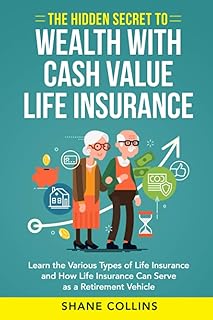
Explores life insurance as a retirement vehicle — useful if you’re considering whole-of-life or investment-linked cover.
Final Thoughts
Joint life insurance and family income benefit serve different purposes. One pays the big bills; the other pays the daily ones. There’s no universally “best” option — only the one that aligns with your household’s biggest risks.
If you’re a new parent in Cardiff or a couple with a big mortgage in Liverpool, start by asking: What would hurt us most — losing the house or losing our income? The answer will point you to the right policy.
For more tailored comparisons, explore our full pillar on Joint vs Single Life Insurance: the Great British Couples’ Question. And remember, protection should always fit your life — not the other way around.