 Insurance Curator
 When you’re working on an estate plan—wills, trusts, powers of attorney—the last thing on your mind is your digital footprint. Yet identity theft is now a leading threat to the very assets you’re trying to protect. Whether you’re a senior finalizing a living trust or an executor managing a loved one’s estate, recognizing the early warning signs can mean the difference between a clean probate and a years-long financial nightmare.
The good news? Most identity theft gives off subtle clues long before your bank account is drained. This deep-dive guide will help you spot trouble before the damage is done—and show you how the right estate planning resources can shield your legacy.
Why Estate Planning and Identity Theft Are Inextricably Linked
Estate planning involves collecting sensitive personal data: Social Security numbers, account details, property deeds, and tax returns. For identity thieves, this is a goldmine. Seniors are especially vulnerable—studies show that older adults lose billions annually to scams, and many cases go unreported.
When you’re drafting a trust or will, you’re also exposing your financial life to advisors, family members, and possibly online platforms. If any of those touchpoints are compromised, your entire estate could be at risk. The Warning Signs below are your first line of defense.
Early Physical Warning Signs: Paper Trails and Missing Documents
Identity theft doesn’t always start with a hacked password. Often, it begins with something tangible.
- Missing mail or unexpectedly late bills. If your monthly statement from a credit card company or utility doesn’t arrive, a thief may have changed your mailing address.
- Unsolicited credit cards or collection notices for accounts you never opened.
- Official documents that look different—a bank statement with a typo, or a slightly altered logo. These can be signs of phishing or account takeover.
Example: A retiree in Florida noticed that her Social Security benefit letter arrived two weeks late. When she called, she discovered her address had been changed to a P.O. box she didn’t recognize. Three fraudulent credit cards had been opened in her name before she caught it.
Digital Warning Signs: The Silent Alerts You Should Never Ignore
Our digital lives are woven into estate planning—online accounts, cloud-based trust documents, email threads with lawyers. Here are the red flags:
- Unexpected login attempts or password reset emails. Even if you ignore them, these are often thieves testing your credentials.
- New devices or locations on your account activity. Most banks and brokerages now show recent logins. Check them regularly.
- A sudden drop in your credit score with no obvious reason. This can indicate someone is using your Social Security number to apply for loans.
- Fake inheritance or estate notifications. Scammers send emails claiming a “long-lost relative” left you money, asking for your personal details.
Expert Insight: “Elderly clients often dismiss these as spam,” says certified financial planner Laura T. “But one ignored password reset email has led to entire trust accounts being cleaned out.”
Financial Warning Signs: When Your Money Starts Moving Without You
Estate plans are built on assets. If you spot any of the following, act immediately:
| Warning Sign | What It Could Mean |
|---|---|
| Small, unexplained withdrawals under $5 | Thieves test card validity with tiny charges |
| A deposit you don’t recognize | Money laundering or synthetic identity theft |
| Denied transactions due to “suspicious activity” notifications | A fraud alert may have been triggered, which is good, but investigate |
| IRS notice about a tax return you didn’t file | Signs of tax identity theft |
| Medical bills for services you never received | Medical identity theft—very common in elder fraud |
Internal link: For a deeper look, read our guide on Medical Identity Theft: How It Happens and How to Fix a Corrupted Medical Record.
Estate-Specific Warning Signs: Your Trust and Will Under Threat
Identity thieves don’t just steal your credit card; they can target your estate planning documents themselves.
- Someone asks to be added as a beneficiary to your life insurance or retirement account without a clear reason.
- A power of attorney document is suddenly “lost” and a new one appears with different signatories.
- Emails from your estate attorney’s office that contain suspicious links or ask for wire transfers. Spear-phishing often targets law firms handling high-net-worth estates.
- A family member starts acting unusually protective of your online accounts, offering to “help manage” them.
Expert tip: Always verify changes to your estate documents in person or with a known phone number. Never rely on email instructions alone.
How to Spot Trouble When Managing Someone Else’s Estate
If you’re an executor or trustee for an elderly parent, you have a unique vantage point. Watch for:
- Sudden changes in spending habits – large purchases from unfamiliar retailers.
- New “friends” or caregivers who ask about financial details or offer to “simplify” the estate.
- Unexplained late fees on accounts that were always paid on time.
- The person with dementia or memory loss becoming secretive about bills or mail.
Internal link: See our article on Elder Identity Theft: Recognizing, Preventing, and Responding to Scams Against Seniors.
Deep Dive: The Hidden Warning Signs Most People Miss
1. Synthetic Identity Theft
This fast-growing scam blends a real Social Security number with a fake name and date of birth. The warning sign? A credit report that shows an account with your SSN but a completely different name.
Internal link: Learn more about Synthetic Identity Theft: the Fast-growing Scam Blending Real and Fake Data.
2. Medical Identity Theft
You may get a bill for a surgery you never had, or your insurance summary lists prescriptions you never filled. This can corrupt your medical records—dangerous if you’re incapacitated and health decisions are needed.
3. Child Identity Theft
Even if you’re planning an estate for your children, thieves can steal their SSNs. Warning signs include IRS notices for taxes a minor “owes” or credit card offers in their name.
Internal link: Read Child Identity Theft: Why Kids Are Targeted and How Parents Can Protect Them.
4. Tax Identity Theft
The IRS may reject your tax return because someone already filed using your SSN. That’s an obvious red flag but often the first sign you have.
Internal link: Tax Identity Theft: Preventing Fraudulent Returns Filed in Your Name.
Proactive Measures: Freeze, Monitor, and Educate
You don’t have to wait until you see red flags. Integrate these steps into your estate planning workflow:
- Freeze your credit with all three bureaus (Equifax, Experian, TransUnion). This prevents anyone from opening new accounts in your name.
- Set up fraud alerts – they’re free and last one year (renewable). They force lenders to verify your identity before issuing credit.
- Use identity monitoring services – many estate planning attorneys recommend them for high-net-worth clients.
- Review your credit report at AnnualCreditReport.com at least quarterly. Look for accounts you didn’t open.
Internal link: Compare options in Freezing Your Credit vs. Fraud Alerts: Which Identity Theft Protection Step to Take.
Essential Estate Planning Resources to Secure Your Legacy
The best defense is a solid estate plan created with the right tools. These highly-rated books will help you understand everything from living trusts to protecting your assets from thieves.

Living Trusts, Wills & Estate Planning for Seniors ($22.97, 4.4 stars) is a complete 3-in-1 guide that shows you how to protect assets, avoid probate, and create an estate plan without costly lawyers—or family drama. It includes actual will and trust forms. Perfect for seniors who want to keep their affairs private and secure.
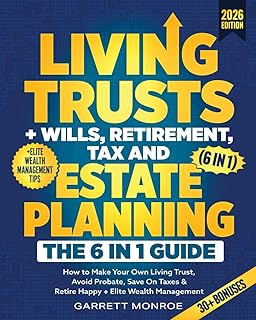
Living Trusts + Wills, Retirement, Tax & Estate Planning ($24.97, 4.5 stars) is a comprehensive 6-in-1 resource covering living trusts, avoiding probate, saving on taxes, and elite wealth management. It’s ideal for anyone who wants to cover all bases—including identity protection strategies woven into the planning.

Nolo’s Guide to Estate Planning ($27.89, 4.7 stars) is the gold standard from America’s leading legal publisher. It covers trusts, wills, powers of attorney, and health care directives. Nolo books are updated regularly to reflect changing laws—and identity theft risks.

Estate Planning For Dummies ($20.99, 4.3 stars) breaks down complex topics into bite-sized, actionable steps. Great for beginners who want to understand how to safeguard their estate from fraud and legal challenges.

I’m Dead, Now What? Planner ($11.63, 4.6 stars) is an essential tool for organizing your belongings, business affairs, and final wishes. Including this in your estate plan ensures your executor has all sensitive information in one place—reducing the chance of identity theft posthumously.
What to Do Immediately If You Spot a Warning Sign
If any of the signs above appear, time is critical. Follow this rapid-response plan:
- Document everything. Save emails, screenshots, and mail pieces.
- Contact your financial institutions. Place a hold on accounts and change passwords.
- File a report with the Federal Trade Commission (FTC) at IdentityTheft.gov.
- Place a fraud alert or credit freeze with all three bureaus.
- Report to your local police if you suspect physical theft or a caregiver.
- Notify your estate attorney immediately—especially if trust or will documents have been compromised.
Internal link: Our complete step-by-step recovery guide is here: What to Do Immediately if You Suspect Identity Theft: Step-by-step Recovery Plan.
Long-Term Consequences and How to Rebuild
Even after the theft is stopped, you may face credit score damage, legal fees, or IRS audits. Rebuilding takes time, but it’s possible.
- Review your credit report every month for the next year.
- Dispute fraudulent accounts with the credit bureaus.
- Keep a detailed log of all communications and case numbers.
- Consider identity theft insurance through your homeowner’s policy or a standalone service.
Internal link: Explore Long-term Consequences of Identity Theft and How to Rebuild Your Financial Reputation.
Final Thoughts: Stay Vigilant, Stay Protected
Estate planning is about more than distributing assets—it’s about protecting your legacy from every angle, including the invisible threat of identity theft. By knowing the warning signs, using trusted resources like the books above, and acting fast when something feels off, you can stop thieves before they drain what you’ve spent a lifetime building.
Remember: the best time to spot trouble is before it becomes a crisis. Make identity checks a regular part of your estate planning review—your future self (and your heirs) will thank you.
Frequently Asked Questions About Identity Theft Warning Signs
Q: How soon after a warning sign should I act?
A: Immediately. Even a 24-hour delay can allow thieves to open multiple accounts. Freeze your credit first, then investigate.
Q: Can identity theft affect my trust or will?
A: Yes. If a thief gains access to your accounts, they can change beneficiary designations or drain assets intended for heirs.
Q: Are seniors more at risk for the warning signs?
A: Absolutely. Elderly individuals often have more assets, less digital literacy, and may be targeted by caregivers—see our article on Elder Identity Theft.
Q: Should I use a credit freeze even if I have no warning signs?
A: Yes. It’s the single most effective preventive measure. You can temporarily lift it when you need new credit.
Q: Do I need to buy a book to protect my estate?
A: Not necessarily, but resources like Nolo’s Guide and the Living Trusts for Seniors guide provide clear, actionable advice that can save you thousands in legal fees and prevent costly mistakes.
Q: What’s the biggest warning sign people ignore?
A: Unexplained small bank charges. Many write them off as coffee purchases, but thieves use them to test stolen card numbers.
Q: Can identity theft happen after death?
A: Yes. “Ghosting” or post-mortem identity theft is a growing issue. Using a planner like I’m Dead, Now What? helps your executor secure your information.
Q: How do data breaches relate to estate planning?
A: When a company you do business with suffers a breach, your SSN or account details may be exposed. Always update your estate plan to reflect new accounts you open after a breach.
Internal link: For more on this, see Data Breaches and Identity Theft: What to Do When a Company Leaks Your Information.