 Insurance Curator
 Elder identity theft isn’t just a financial crime—it’s a devastating betrayal of trust that can unravel years of careful estate planning. Seniors hold a lifetime of assets, and scammers know exactly where to strike. If you’re an older adult or a caregiver, understanding how to spot these threats, safeguard your identity, and respond swiftly can mean the difference between a secure retirement and a costly nightmare.
This comprehensive guide dives deep into the tactics used by fraudsters, the connection between identity theft and estate planning, and the proven steps to protect yourself—or your loved one—from becoming a victim. We’ll also highlight essential resources, including top-rated books like Living Trusts, Wills & Estate Planning for Seniors – The Complete 3-in-1 Guide that combine identity protection with smart estate strategies.

Recognizing the Red Flags of Elder Identity Theft
Identity theft against seniors often goes unnoticed for months—even years. According to the Federal Trade Commission, adults aged 60 and older reported more than $1.6 billion in losses from fraud in 2022, a staggering increase from previous years. Recognizing the warning signs early is your first line of defense.
Common Signs That Identity Has Been Stolen
- Unexplained withdrawals or charges on bank or credit card statements.
- Medical bills for services you never received—a classic sign of medical identity theft.
- Collection calls about debts you don’t recognize.
- Missing mail, such as bills or new credit cards.
- Denied credit or higher interest rates for no apparent reason.
- Errors on your Social Security earnings record or IRS notices about income you never earned.
For a deeper dive into these indicators, read our full article on Identity Theft Warning Signs: How to Spot Trouble before Damage Is Done.
Types of Identity Theft Most Common Among Seniors
Elder identity theft isn’t limited to credit card fraud. It spans several dangerous categories:
| Type | Description | Impact on Seniors |
|---|---|---|
| Financial Identity Theft | Stealing credit card numbers, bank accounts, or loans | Drains retirement savings, ruins credit scores |
| Medical Identity Theft | Using health insurance to get care or medications | Corrupts medical records, endangers health |
| Government Benefits Fraud | Falsely claiming Social Security, Medicare, or pension benefits | Delays or permanently loses benefits |
| Criminal Identity Theft | Giving your name during an arrest | Creates criminal record, leads to wrongful arrest |
| Estate & Inheritance Fraud | Targeting wills, trusts, and powers of attorney | Disrupts estate planning, steals legacies from heirs |
Learn more about these variations in our guide to Different Types of Identity Theft Explained: Financial, Medical, Criminal, and More.
How Scammers Actually Target Seniors
Fraudsters don’t rely on luck—they use sophisticated psychological tactics to exploit trust and isolation. Understanding how they operate helps you build a stronger defense.
Top Scams That Target Older Adults
- Grandparent Scams: A caller pretends to be a grandchild in trouble, asking for money to be wired immediately.
- Tech Support Scams: Pop-ups or phone calls claim a computer has a virus and demand payment to “fix” it.
- IRS Impersonation: Threatening calls about unpaid taxes—the IRS never demands payment by gift card.
- Romance Scams: Fake online relationships that build trust over weeks, then request money for emergencies.
- Lottery/Sweepstakes Scams: Seniors are told they’ve won a prize but must pay fees upfront.
Each of these scams has one goal: to obtain personal information or direct payment. For a real-world look at how thieves steal data, see How Identity Thieves Actually Steal Your Information in the Real World?.
Why Seniors Are Especially Vulnerable
Older adults often possess high net worth, home equity, and pristine credit—a goldmine for criminals. Additionally, cognitive decline, social isolation, and unfamiliarity with digital security make them easier targets. Scammers also exploit the complexity of estate planning by targeting documents like wills, trusts, and power of attorney forms.
Preventing Elder Identity Theft: Proactive Strategies
Prevention is far less painful than recovery. By implementing a layered approach, you can dramatically reduce the risk of identity theft.
Freeze Your Credit and Use Fraud Alerts
A credit freeze locks your credit report, preventing new accounts from being opened in your name. Fraud alerts notify businesses to verify your identity before extending credit. Both are free and effective.
Read our comparison: Freezing Your Credit vs. Fraud Alerts: Which Identity Theft Protection Step to Take.
Secure Your Online Presence
Social media oversharing is a goldmine for identity thieves. Birth dates, pet names, and vacation plans provide clues to security questions and physical absences. Review our advice at How Social Media Habits Can Lead to Identity Theft and How to Lock down Your Profiles?.
Use Estate Planning Tools That Include Identity Protection
Estate planning isn’t just about passing on assets—it’s about protecting them during your lifetime. Books like Nolo’s Guide to Estate Planning offer comprehensive strategies that integrate identity theft prevention.

This highly rated resource (4.7 stars) covers wills, trusts, and advanced directives, while also addressing how to safeguard sensitive documents from fraud.
Another excellent choice is Estate Planning For Dummies (4.3 stars). It breaks down complex topics into actionable steps—including how to avoid scams that target seniors during the estate planning process.

Other Everyday Prevention Habits
- Shred all documents containing personal information before discarding.
- Never give out Social Security numbers over the phone unless you initiated the call.
- Monitor your Medicare Summary Notices for unauthorized services.
- Use strong, unique passwords for every account—consider a password manager.
- Set up account alerts for all bank and credit card transactions.
The Crucial Link Between Identity Theft and Estate Planning
Why does elder identity theft belong in a discussion about estate planning? Because a stolen identity can derail even the most carefully crafted estate plan.
How Identity Theft Undermines Estate Planning
If a fraudster opens credit accounts in a senior’s name, that debt can reduce the estate’s value. If medical identity theft corrupts health records, it may affect insurance payouts or long-term care decisions. Worse, if someone steals power of attorney documents, they can legally redirect assets away from intended heirs.
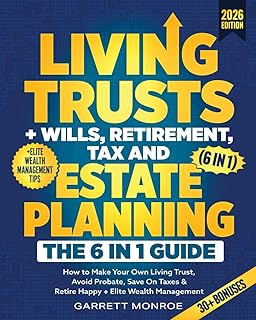
A robust estate plan must include identity protection measures. The Living Trusts + Wills, Retirement, Tax & Estate Planning – The 6-in-1 Guide (4.5 stars) covers not only trusts and wills but also retirement, tax, and wealth management—all with an eye on preventing fraud.
Protecting Your Legacy with Proper Documentation
One often overlooked tool is a “what’s where” planner. I’m Dead, Now What? Planner (4.6 stars) organizes information about accounts, insurance policies, and last wishes—helping executors manage affairs without leaving sensitive data exposed.

By keeping this information secure yet accessible, you reduce the risk of identity theft after death—a growing crime known as “ghosting.”
For a full picture of how identity theft can affect your financial future, read Long-term Consequences of Identity Theft and How to Rebuild Your Financial Reputation.
Responding to Elder Identity Theft: A Step-by-Step Recovery Plan
If you suspect identity theft, act immediately. Delays compound the damage.
Immediate Steps to Take
- Place a fraud alert or credit freeze with one of the three major bureaus (Equifax, Experian, TransUnion). You only need to contact one—they’ll notify the others.
- Close compromised accounts and open new ones with stronger authentication.
- Change passwords on all financial and medical portals.
- File a report with the Federal Trade Commission at IdentityTheft.gov.
- File a police report—some creditors require it to remove fraudulent charges.
- Contact the Social Security Administration if your SSN was used.
For a detailed playbook, see What to Do Immediately if You Suspect Identity Theft: Step-by-step Recovery Plan?.
Special Considerations for Medical Identity Theft
Medical identity theft can be life-threatening. If false information enters your health records, you could receive incorrect treatment or be denied care. Contact every healthcare provider in your medical history and request copies of your records. Dispute any inaccuracies in writing. Our article on Medical Identity Theft: How It Happens and How to Fix a Corrupted Medical Record walks you through the process.
When Criminal Identity Theft Occurs
If someone uses your name during an arrest, you may face wrongful warrants or background check issues immediately request a “certified copy of the criminal record” from the court and obtain a “clearance letter” from the police. Keep these documents with your identification.
Frequently Asked Questions About Elder Identity Theft
1. What is elder identity theft?
Elder identity theft is the fraudulent use of an older adult’s personal information—such as Social Security numbers, bank accounts, or Medicare IDs—for financial gain. Scammers target seniors due to their accumulated assets, higher trust levels, and sometimes reduced cognitive abilities.
2. How can estate planning help prevent identity theft?
Proper estate planning includes organizing financial accounts, creating living trusts, and appointing trusted power of attorney. These actions reduce the number of loose documents and accounts that fraudsters can exploit. Tools like the Living Trusts, Wills & Estate Planning for Seniors guide provide step-by-step instructions to secure your legacy.
3. Should seniors freeze their credit?
Yes. A credit freeze is one of the most effective prevention measures. It blocks lenders from viewing your credit report, making it nearly impossible for criminals to open new accounts in your name. Freezes are free and do not affect your existing accounts.
4. What are the most common scams targeting seniors?
Common scams include grandparent impersonation, tech support fraud, IRS fake calls, romance scams, and lottery/sweepstakes scams. All aim to extract money or personal data. Seniors should never share information with unsolicited callers.
5. How do I report identity theft if I’m a senior?
Start by filing a report at IdentityTheft.gov (FTC). Then contact your local police department, the three credit bureaus, and any affected financial institutions. If medical identity theft is involved, notify Medicare and your healthcare providers. Keep a detailed log of all communications.
6. Can identity theft affect my estate after I die?
Yes. Identity thieves sometimes use deceased persons’ information to open accounts or claim benefits. This is called “ghosting.” To prevent it, notify the Social Security Administration promptly after death, close all accounts, and monitor credit reports for up to a year after passing.
Conclusion: Guard Your Golden Years with Vigilance and Knowledge
Elder identity theft is a growing crisis, but it doesn’t have to define your retirement. By recognizing the warning signs, understanding how scammers operate, and integrating identity protection into your estate planning, you can build a fortress around your hard-earned assets.
Whether you’re a senior yourself or a caregiver, take action today. Use resources like the Living Trusts, Wills & Estate Planning for Seniors book to create a comprehensive plan, or the I’m Dead, Now What? Planner to keep everything organized for your family.
Don’t wait for a suspicious charge or a phone call to shake your confidence. Empower yourself with the knowledge and tools to stay ahead of criminals. Your legacy—and your peace of mind—are worth it.