 Insurance Curator
 Identity theft is no longer a distant threat—it’s a daily reality for millions of Americans. In 2023 alone, the Federal Trade Commission received over 1.1 million reports of identity theft, with losses exceeding $10 billion. But what many people don’t realize is how deeply identity theft can affect your estate planning. When a thief steals your identity, they can drain bank accounts, take out loans in your name, and even alter medical records—all of which can leave your family fighting over a diminished or corrupted estate after you’re gone.
The good news? Proper estate planning can serve as a powerful shield. Documents like living trusts, wills, and powers of attorney help secure your assets and outline your wishes, making it harder for criminals to exploit your identity. One excellent resource to get started is Living Trusts, Wills & Estate Planning for Seniors – The Complete 3-in-1 Guide, which walks you through creating a bulletproof plan without expensive lawyers.

In this comprehensive guide, we’ll break down every major type of identity theft—financial, medical, criminal, synthetic, tax, child, and elder—and show you exactly how each one can derail your estate. You’ll also learn practical steps to protect yourself and your loved ones.
Financial Identity Theft
Financial identity theft is the most common form, and it’s exactly what it sounds like: a criminal uses your personal information—Social Security number, bank account details, credit card numbers—to steal money or open new accounts in your name.
How It Happens
Thieves obtain your data through phishing emails, data breaches, stolen wallets, or even skimming devices at ATMs. Once they have your info, they can:
- Drain your checking and savings accounts
- Open credit cards and run up massive debts
- Take out loans for cars or homes
- File fraudulent tax returns to snag your refund
For estate planning, the danger is twofold. First, a depleted bank account means less inheritance for your heirs. Second, debts incurred by the thief can become claims against your estate, forcing your executor to spend months untangling fraudulent liabilities.
Real-World Example
In 2022, a California woman discovered her deceased mother’s Social Security number had been used to open five credit cards totaling $45,000 in debt. The executor spent nearly a year proving the charges were fraudulent before the estate could be settled.
Prevention Tips
- Monitor your credit reports regularly at AnnualCreditReport.com
- Place a credit freeze or fraud alert (see our guide on Freezing Your Credit vs. Fraud Alerts)
- Use strong, unique passwords for financial accounts
- Set up account alerts for any transaction over a certain amount
Medical Identity Theft
Medical identity theft occurs when someone uses your name, insurance ID, or Medicare number to receive healthcare services, prescriptions, or medical devices. It’s one of the most dangerous forms because it can put your actual health at risk.
How It Happens
A thief might steal your insurance card from a clinic waiting room, hack into a hospital database, or obtain your Medicare number through a scam phone call. Once they have it, they can:
- Visit doctors and get treatments under your name
- Fill prescriptions for controlled substances
- File false insurance claims
- Have surgeries or procedures billed to your policy
The consequence? Your medical records become corrupted. A thief’s blood type, allergies, or diagnosis of a condition you don’t have can show up in your file. If you’re in an emergency, doctors might treat you based on incorrect data—leading to misdiagnosis, allergic reactions, or even death.
For estate planning, a corrupted medical record can complicate end-of-life decisions. Your healthcare power of attorney allows a trusted agent to make medical decisions for you, but if your records are fraudulent, that agent may be misled. Furthermore, unpaid medical bills from fraudulent visits can drain your estate.
Real-World Example
A Florida man discovered his Medicare number had been used by a stranger to receive $30,000 in chemotherapy drugs. The incorrect treatment records suggested he had cancer, which led to unnecessary follow-up tests and a year of stress before the errors were corrected.
Prevention Tips
- Never share your Medicare or insurance number except with verified providers
- Review your medical records and Explanation of Benefits (EOB) statements monthly
- Report any unfamiliar charges to your insurance company immediately
- Consider a medical identity theft monitoring service
Learn more about the full scope of this threat in our article on Medical Identity Theft: How It Happens and How to Fix a Corrupted Medical Record.
Criminal Identity Theft
Criminal identity theft happens when someone gives your name and personal details to law enforcement during an arrest or traffic stop. The thief uses your identity to avoid their own criminal record, leaving you with a rap sheet for crimes you never committed.
How It Happens
A suspect might present a fake ID with your name and their photo, or simply recite your Social Security number when booked. This can lead to:
- Warrants issued in your name
- Driver’s license suspensions
- Missed court dates and bench warrants
- Difficulty passing background checks for employment, housing, or volunteer roles
For estate planning, a criminal record can disqualify someone from being your executor or trustee. It can also delay probate proceedings if the court flags your name for outstanding warrants. Imagine your loved ones trying to settle your estate while dealing with a mistaken arrest record.
Real-World Example
A Texas man was pulled over for a broken tail light—only to be handcuffed on an outstanding warrant for a theft he had nothing to do with. The real thief had used his identity months earlier. It took three weeks and a lawyer to clear his name, during which his estate planning documents remained inaccessible.
Prevention Tips
- If you’re ever arrested, do not consent to a search of your phone or digital data—thieves can extract information from booking records
- Check your criminal record periodically through state and federal databases
- If you suspect criminal identity theft, get a “clearance letter” from law enforcement and keep it with your estate documents
- Use a reliable estate planning organizer like I’m Dead, Now What? Planner to keep critical information safe and accessible only to your trusted agents.

Synthetic Identity Theft
Synthetic identity theft is a fast-growing scam where criminals combine real information (like a stolen Social Security number) with fake details (a made-up name, birthdate, or address) to create a completely new “synthetic” identity.
How It Happens
Thieves often target children or elderly individuals because their SSNs are rarely used. They combine that real SSN with a fake name and address, then build credit history over several years. This new identity can then apply for loans, credit cards, and even mortgages. By the time the fraud is detected, the criminal has often disappeared.
Why It’s Hard to Detect
Synthetic identities don’t show up on any single person’s credit report. The fraudulent accounts are tied to the fake name, not yours—until the thief uses your SSN to file taxes or apply for government benefits. Then the mess lands on your doorstep.
For estate planning, synthetic identity theft is a nightmare. If your child’s SSN is used to create a synthetic identity, that child may inherit assets with a damaged credit history. If you’re a senior, a synthetic identity using your SSN could claim your Social Security benefits or Medicaid coverage.
Prevention Tips
- Freeze your child’s credit immediately after they receive an SSN (see Child Identity Theft: Why Kids Are Targeted and How Parents Can Protect Them)
- Monitor your Social Security earnings statement annually
- Use identity theft protection services that scan for synthetic fraud
Tax Identity Theft
Tax identity theft occurs when someone files a fraudulent tax return using your Social Security number to claim a refund. The IRS catches some of these, but many slip through.
How It Happens
Criminals get your SSN from a data breach, phishing email, or stolen documents. They file a return early in tax season, claiming a big refund. When you file your legitimate return, the IRS rejects it because a return with your SSN has already been processed.
Impact on Estate Planning
Tax identity theft can delay the settlement of your estate by months or years. If you pass away and your executor tries to file a final tax return, they may find that a fraudulent return was already submitted. Resolving this requires paperwork, affidavits, and often an IRS Identity Protection PIN (IP PIN) process.
Additionally, if a thief files a fraudulent return in your name while you’re alive, you may owe taxes on income you never earned. That tax debt can become a claim against your estate.
Prevention Tips
- File your taxes as early as possible
- Get an IP PIN from the IRS—a six-digit number that verifies your identity
- Never respond to unsolicited calls or emails claiming to be from the IRS
- For more detail, see Tax Identity Theft: Preventing Fraudulent Returns Filed in Your Name
Child Identity Theft
Children are prime targets for identity theft because their SSNs are clean—no credit history, no debts. A thief can use a child’s identity for years without detection.
How It Happens
A parent, relative, or hacker obtains the child’s SSN from school records, sports forms, or medical documents. The thief then uses it to open credit accounts, apply for utilities, or even get a job. The child often discovers the fraud when they turn 18 and apply for student loans or a first credit card.
Estate Planning Implications
If a child inherits assets before the theft is discovered, their credit report might show high debt levels, making it difficult to manage the estate. Also, if the child is named as a beneficiary on a life insurance policy or trust, the fraudulent accounts could be mistaken as legitimate debts that reduce the inherited amount.
Prevention Tips
- Keep your child’s SSN card in a safe deposit box, not in your wallet
- Never provide your child’s SSN unless absolutely necessary (ask if a different identifier can be used)
- Check if your child has a credit report with Equifax, Experian, and TransUnion by requesting a manual search
- Freeze their credit with all three bureaus
For a deeper dive, read Child Identity Theft: Why Kids Are Targeted and How Parents Can Protect Them.
Elder Identity Theft
Seniors are especially vulnerable to identity theft due to frequent medical visits, Medicare fraud, cognitive decline, and social isolation. Scammers often target older adults with phone calls, phishing emails, and even in-person visits.
How It Happens
Elder identity theft takes many forms: someone calls pretending to be a grandchild needing bail money, a “Medicare representative” asks for personal details, or a caregiver steals a checkbook. Seniors are also more likely to have established assets and good credit, making them lucrative targets.
Estate Planning Connection
Elder identity theft can devastate an estate plan that took decades to build. A scammer might drain a senior’s retirement accounts, take out reverse mortgages, or even change beneficiary designations on life insurance policies. When the senior passes away, their intended heirs find empty accounts.
Prevention Tips
- Set up durable powers of attorney for finances and healthcare before cognitive decline sets in
- Enable account alerts and limit daily withdrawal amounts
- Have a trusted family member or estate planning attorney review monthly statements
- Use reputable estate planning resources like Nolo’s Guide to Estate Planning to create a comprehensive plan that accounts for fraud risks.

See our full guide on Elder Identity Theft: Recognizing, Preventing, and Responding to Scams Against Seniors.
How Estate Planning Can Protect Against Identity Theft
Now that you understand the types of identity theft, let’s focus on how estate planning serves as your first line of defense. A well-crafted plan doesn’t just distribute assets—it also creates a secure framework that makes identity theft harder and its impact less severe.
Key Documents That Help
| Document | How It Protects Against Identity Theft |
|---|---|
| Living Trust | Transfers assets outside probate, reducing public exposure of sensitive info. Thieves can’t access trust assets without being named trustee. |
| Will | Names an executor who can quickly act if you become incapacitated or pass away, preventing thieves from taking advantage of a legal vacuum. |
| Durable Power of Attorney (Financial) | Allows a trusted agent to manage finances if you’re incapacitated, freezing accounts and reporting fraud without court delays. |
| Healthcare Power of Attorney | Lets someone monitor medical records and correct fraudulent entries that could endanger your health. |
| Living Will / Advance Directive | Ensures your medical wishes are honored even if incorrect data in your file suggests otherwise. |
| Beneficiary Designations | Keeps retirement accounts and insurance policies out of probate, so fraudsters can’t file claims on your estate. |
Choosing the Right Estate Planning Tools
You don’t need to spend thousands on an attorney to get started. High-quality books can guide you through the process. Here are some of the best:
- Living Trusts + Wills, Retirement, Tax & Estate Planning – The 6-in-1 Guide ($24.97, 4.5 stars) – A comprehensive resource that covers everything from trusts to tax strategies, helping you build a fortress around your assets.
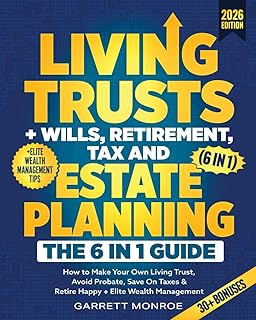
- Estate Planning For Dummies ($20.99, 4.3 stars) – An easy-to-understand guide for beginners, covering wills, trusts, powers of attorney, and how to protect your digital assets (which is critical in the age of identity theft).

- I’m Dead, Now What? Planner ($11.63, 4.6 stars) – Perfect for organizing all your critical information—account numbers, passwords, estate documents—so your executor can act fast if identity theft is suspected after your death.
Steps to Integrate Identity Theft Protection into Your Estate Plan
- Freeze your credit – Prevents new accounts from being opened in your name.
- Set up fraud alerts – Notifies you when someone tries to use your credit.
- Use strong passwords and two-factor authentication for all financial and estate planning accounts.
- Store estate documents securely – A safe deposit box or encrypted digital vault.
- Review beneficiaries annually – Ensure no one has fraudulently changed them.
- Monitor accounts jointly – Have a trusted person (e.g., your power of attorney) review statements.
For a step-by-step recovery plan if you do fall victim, see What to Do Immediately if You Suspect Identity Theft: Step-by-step Recovery Plan?.
Warning Signs to Watch For
Early detection can save your estate. Watch for these red flags:
- Bills or collection notices for accounts you didn’t open
- Unexpected credit denials or changes in credit score
- Medical bills for services you didn’t receive
- Tax return rejected because one was already filed
- Strange charges on your bank or credit card statements
- Notices from the IRS about income from an unknown employer
- Calls from debt collectors about accounts you don’t recognize
If any of these sound familiar, act immediately. Visit our comprehensive guide on Identity Theft Warning Signs: How to Spot Trouble before Damage Is Done.
FAQ
1. Can identity theft affect my estate after I die?
Yes. Fraudulent debts may become claims against your estate. Also, if your identity was stolen before death, your executor may have to spend time and money clearing your name, delaying distribution to heirs.
2. How does a living trust protect against identity theft?
A living trust keeps assets out of probate, which is a public process. Thieves often mine probate records for personal information. By avoiding probate, you reduce exposure.
3. Should I include digital assets in my estate plan?
Absolutely. Passwords, cryptocurrency, online accounts, and even social media profiles can be exploited. Use an organizer like I’m Dead, Now What? Planner to record all digital access.
4. What’s the difference between a credit freeze and a fraud alert?
A credit freeze blocks new credit applications entirely. A fraud alert requires creditors to verify your identity before opening an account. Both can help, but a freeze is stronger. Learn more in Freezing Your Credit vs. Fraud Alerts.
5. Can I remove fraudulent medical records from my file?
Yes. Contact your healthcare providers and insurance company. File a dispute with the Medical Information Bureau. It’s a long process, but essential for accurate end-of-life care.
6. How do I know if my child’s identity has been stolen?
Check if they have a credit report on file by contacting Equifax, Experian, and TransUnion. If a report exists, it’s likely fraudulent. Also look for pre-approved credit card offers addressed to your child.
7. Is identity theft covered by home insurance or identity theft protection services?
Some home insurance policies offer limited reimbursement. Dedicated identity theft protection services provide monitoring and recovery assistance. However, estate planning documents are your best long-term defense.
8. What should I do if I suspect identity theft right now?
Place a fraud alert on your credit report, review your accounts, file a report with the FTC at IdentityTheft.gov, and contact your bank. For a complete walkthrough, see What to Do Immediately if You Suspect Identity Theft.
Conclusion
Identity theft isn’t just a nuisance—it’s a direct threat to your financial legacy and your family’s future. From financial and medical to criminal and synthetic, each type of theft can claw away at the assets and wishes you’ve carefully built. But you don’t have to be a victim. By combining vigilant monitoring with a solid estate plan—using tools like living trusts, powers of attorney, and comprehensive guides—you can lock down your identity and protect what matters most.
Start today. Review your credit freeze status. Talk to an estate planning attorney or pick up one of the highly rated books we’ve recommended. And share this guide with someone you love—because the best defense against identity theft is knowledge.
Quick Recap of Products Mentioned
| Product | Price | Rating | Best For |
|---|---|---|---|
| Living Trusts, Wills & Estate Planning for Seniors | $22.97 | 4.4 | Seniors wanting a complete 3-in-1 guide |
| Living Trusts + Wills, Retirement, Tax & Estate Planning (6-in-1) | $24.97 | 4.5 | Comprehensive wealth management |
| Nolo’s Guide to Estate Planning | $27.89 | 4.7 | Authoritative legal reference |
| Estate Planning For Dummies | $20.99 | 4.3 | Beginners wanting a clear, simple approach |
| I’m Dead, Now What? Planner | $11.63 | 4.6 | Organizing all critical information for your executor |
For more on how identity thieves operate, read How Identity Thieves Actually Steal Your Information in the Real World?. And don’t miss our guide on Long-term Consequences of Identity Theft and How to Rebuild Your Financial Reputation.
Your estate is your final statement. Make sure it’s protected.