 Insurance Curator
 Navigating the world of health insurance can feel overwhelming. Whether you’re self-employed, between jobs, or simply exploring options outside of a corporate job, understanding private health insurance plans is critical. These plans differ significantly from employer-sponsored coverage in terms of cost, flexibility, and what’s included.
This deep dive covers everything you need to know: from essential health benefits and out-of-pocket costs to how private plans stack up against group coverage. We’ll also highlight practical resources like Health Insurance: Explained Like You’re 5 — a top-rated book that simplifies the basics for anyone.

What Are Private Health Insurance Plans?
Private health insurance plans are policies you buy directly from an insurance company. Unlike employer-sponsored insurance, which is negotiated in bulk by your company, these plans are purchased individually or through the Health Insurance Marketplace (created under the Affordable Care Act).
They come in several metal tiers — Bronze, Silver, Gold, and Platinum — each with different splits between premiums and out-of-pocket costs. According to the Kaiser Family Foundation, individual market enrollment in 2024 reached over 21 million people, showing a clear shift toward non-employer coverage.
Key characteristics include:
- Flexibility: You choose the plan that fits your health needs and budget.
- Portability: Coverage stays with you even if you change jobs or move states.
- No employer subsidy: You pay the full premium, unless you qualify for a premium tax credit.
What Do Private Health Insurance Plans Cover?
All ACA-compliant private health insurance plans must cover ten essential health benefits. This ensures a baseline level of protection no matter which plan you pick.
Essential Health Benefits
- Ambulatory patient services (outpatient care)
- Emergency services
- Hospitalization (surgery, overnight stays)
- Pregnancy, maternity, and newborn care
- Mental health and substance use disorder services (including behavioral health treatment)
- Prescription drugs
- Rehabilitative and habilitative services (physical therapy, devices)
- Laboratory services
- Preventive and wellness services (screenings, vaccines)
- Pediatric services (including dental and vision for children)
Preventive care — like annual checkups and certain cancer screenings — is covered at 100% with no deductible if you use in-network providers. That’s a huge advantage for proactive health management.
Additional Coverage Options
Some private plans also offer dental, vision, or even telehealth add-ons. But these may come at an extra cost. When evaluating private health insurance plans, always check the Summary of Benefits and Coverage (SBC) document to see exact inclusions and exclusions.
Costs of Private Health Insurance Plans
Understanding the price tag of individual coverage is essential. Costs fall into three main categories: premiums, deductibles, and out-of-pocket maximums.
Premiums
The monthly payment you make to keep your policy active. In 2025, the average monthly premium for an individual Marketplace plan is around $477 before subsidies, but many people qualify for tax credits that lower that amount significantly.
For example, a single person earning $35,000 a year could pay less than $150 per month for a Silver plan after subsidies.
Deductibles
This is the amount you must pay out-of-pocket before insurance starts covering most services. The average deductible for a Bronze plan is about $7,000; for a Gold plan, it’s closer to $1,500.
Out-of-Pocket Maximum
The absolute most you’ll pay in a year for covered services. For 2025, the federal limit is $9,200 for individuals and $18,400 for families. Once you hit that, the plan pays 100%.
Comparison Table: Metal Tiers
| Metal Tier | Premium Level | Deductible Level | Best For |
|---|---|---|---|
| Bronze | Lowest | Highest | Healthy individuals who want low monthly costs. |
| Silver | Moderate | Moderate | People with moderate healthcare needs; often used with cost-sharing reductions. |
| Gold | High | Low | Those who need regular care or prescriptions. |
| Platinum | Highest | Very Low | Heavy medical users willing to pay more monthly for near-zero deductibles. |
Platinum plans cover about 90% of costs on average, while Bronze covers only 60%. The choice depends on your expected usage and risk tolerance.
How Private Health Insurance Plans Compare to Employer Coverage
This is the heart of the decision. Employer-sponsored insurance (ESI) has been the traditional route, but private health insurance plans are increasingly competitive.
Cost Differences
Employers typically pay about 70–80% of the premium for individual coverage. According to the Kaiser Family Foundation’s 2024 Employer Health Benefits Survey, the average annual premium for single employee coverage was $8,951, with the worker paying about $1,400 per year. In contrast, an unsubsidized private plan’s average annual premium is about $5,700 — but that’s entirely your responsibility.
Employer plans often have lower deductibles too. The average deductible in employer plans is around $1,700, compared to $4,000+ for many individual Bronze plans.
Network and Provider Choice
Employer-sponsored plans sometimes have narrower networks tied to specific employer-negotiated contracts. Private health insurance plans available on the Marketplace often offer broader networks (PPO plans) if you choose higher tiers. However, some employer plans are extremely narrow HMOs.
If you have a preferred doctor or specialist, always check if they’re in-network before enrolling.
Portability and Flexibility
An employer plan ends when you leave the job (unless you use COBRA, which is expensive). Private health insurance plans stay with you regardless of employment. For freelancers, entrepreneurs, or early retirees, this portability is a major advantage.
Subsidies vs. Employer Contributions
If your employer offers affordable coverage (meaning the cost for single coverage is below 8.39% of your household income in 2025), you generally cannot get Marketplace subsidies. For many, that makes employer coverage cheaper even with lower quality. But if your employer doesn’t offer coverage or if it’s unaffordable, private health insurance plans with subsidies can be very cost-effective.
Who Should Choose Private Health Insurance Plans?
Private plans are ideal for:
- Self-employed individuals and freelancers
- Early retirees not yet eligible for Medicare
- Workers whose employer plan is too expensive or doesn’t meet their needs
- Part-time employees without benefits
- People between jobs who need short-term coverage (though beware limited benefits)
For a deeper understanding of how to evaluate networks, deductibles, and premiums, read How to Choose a Private Health Insurance Plan: Networks, Deductibles, and Premiums Explained?. That guide walks you step-by-step through comparing metal tiers and selecting the right network type.
Expert Insights: What Broke American Health Care
Understanding the cost drivers helps you make better choices. A highly rated book, The Price We Pay: What Broke American Health Care–and How to Fix It (Rating 4.7), explains how pricing opacity affects both individual and employer markets.

Author Marty Makary reveals why the same MRI can cost $500 at one facility and $6,000 at another. This lack of transparency is why shopping for care is essential, regardless of your insurance type.
For a comprehensive reference on insurance mechanics, consider Navigating Health Insurance (Rating 4.7) or Health Insurance and Managed Care: What They Are and How They Work (Rating 4.6). These books provide academic-level detail but remain accessible.
How to Enroll in a Private Health Insurance Plan
You can enroll through the federal Marketplace at HealthCare.gov or through state-based exchanges. Enrollment windows are typically:
- Open Enrollment: November 1 – January 15 (varies by state)
- Special Enrollment: Triggered by life events like losing employer coverage, moving, marriage, birth, or divorce.
Private plans are also sold directly by insurers outside the Marketplace, but those may not include subsidies or all essential health benefits. Always verify ACA compliance.
Step-by-Step Enrollment Checklist
- Estimate your household income for the year.
- Review metal tiers and choose your preferred balance of premium vs. deductible.
- Check if your doctors and preferred hospital are in-network.
- Compare prescription drug formularies.
- Apply for subsidies if eligible.
- Select your plan and pay the first premium.
Common Myths About Private Health Insurance Plans
Myth: Private plans are always more expensive.
Reality: After subsidies, many people pay less than $100 per month for a Silver plan.
Myth: You can’t get good coverage without an employer.
Reality: Private plans offer identical essential health benefits and often more choice of doctors.
Myth: All plans cover the same things.
Reality: While essential benefits are standard, tiers differ in cost-sharing, and plans can have different drug lists or networks.
For a quick, accessible primer, UNDERSTANDING YOUR HEALTH INSURANCE: A practical guide (Rating 5) breaks down jargon into plain English.
The Role of Health Insurance in Financial Wellness
Health insurance isn’t just about medical care — it’s a cornerstone of financial security. A single emergency room visit without insurance can cost over $20,000. Even with coverage, choosing a plan with too high a deductible can strain your savings.
That’s why balancing premium and out-of-pocket costs is crucial. If you’re young and healthy, a Bronze plan with a high deductible might be smart, paired with a Health Savings Account (HSA) if the plan qualifies.
If you have chronic conditions or anticipate surgery, a Gold or Platinum plan can save you thousands.
The book Health Insurance, Third Edition (Rating 4.6) offers an in-depth look at how insurance markets function, useful for consumers who want to understand the system.
Special Topics: Medicare, Life Insurance, and Exam Prep
While this article focuses on private health insurance for the under-65 population, related topics include Medicare (for those 65+). The book Medicare For Dummies (Rating 4.6) is a top resource.
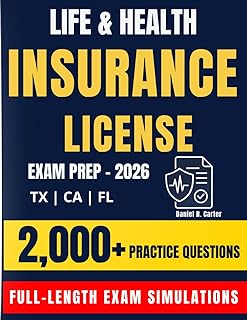
If you’re studying for a life and health insurance license, consider Life and Health Insurance License Study Cards (Rating 4.3) or the Life & Health Insurance License Exam Prep 2026 (Rating 5). These prepare you to become an agent — another way to gain deep knowledge.
Frequently Asked Questions
Q: Can I buy private health insurance any time of the year?
A: Generally, only during Open Enrollment or a Special Enrollment Period. Outside those windows, you may only be eligible for short-term plans, which don’t cover pre-existing conditions.
Q: Do private health insurance plans cover pre-existing conditions?
A: Yes, all ACA-compliant plans must cover pre-existing conditions without waiting periods or higher premiums.
Q: How do I know if I qualify for subsidies?
A: If your household income is between 100% and 400% of the federal poverty level ($15,060 to $60,240 for a single person in 2025), you likely qualify for premium tax credits.
Q: Are private plans better than employer plans?
A: It depends. Employer plans often have lower costs due to employer contributions, but private plans offer portability and potentially better networks. Compare total cost and coverage for your specific situation.
Q: What happens if I lose my job and my employer insurance?
A: Losing coverage qualifies you for a Special Enrollment Period. You can then enroll in a private health insurance plan through the Marketplace.
Final Verdict: Is a Private Health Insurance Plan Right for You?
Private health insurance plans offer robust coverage, essential benefits, and the freedom to choose plans independent of employment. While costs can be higher without an employer subsidy, subsidies and metal-tier options make them accessible for millions.
The key is informed comparison: weigh premiums against deductibles, check networks, and use resources like the books mentioned here to build your knowledge. Start with a self-assessment of your health needs, then explore your options.
For a deeper dive into the selection process, don’t miss the related guide: How to Choose a Private Health Insurance Plan: Networks, Deductibles, and Premiums Explained?.
Whether you stay with employer coverage or switch to the individual market, understanding private health insurance plans empowers you to take control of your health and your finances.