 Insurance Curator
 When you think about securing your family’s future, life insurance often tops the list. But the decision between term and whole life can feel overwhelming. MassMutual whole life insurance stands out as a powerful tool for long-term financial planning, combining lifelong protection with a tax-advantaged cash value component that grows steadily over time.
Unlike term life insurance, which provides pure death benefit protection for a specific period, whole life insurance from MassMutual offers permanent coverage, guaranteed cash value accumulation, and the potential for annual dividends. This makes it an ideal foundation for estate planning, retirement supplementation, or simply leaving a legacy. Understanding these differences is the first step to making an informed choice.
Understanding MassMutual Whole Life Insurance
MassMutual is one of the oldest and most respected mutual insurance companies in the United States. As a mutual company, it is owned by its policyholders, not shareholders. This structure allows MassMutual to distribute a portion of its profits back to eligible participating policyholders in the form of dividends.
A MassMutual whole life insurance policy guarantees a fixed premium for your entire lifetime, locks in a death benefit that never decreases (unless you take loans), and builds cash value that grows at a guaranteed minimum rate. Beyond the guarantee, the policy’s actual cash value growth often exceeds the minimum because of the dividend additions.
Key Features of MassMutual Whole Life
- Lifetime coverage: Your policy remains in force as long as premiums are paid, no matter how long you live.
- Guaranteed cash value: A minimum cash value is contractually guaranteed and grows tax-deferred.
- Dividends: MassMutual has paid dividends every year since the 1860s. While not guaranteed, the company has a strong history.
- Policy loans and withdrawals: Borrow against the cash value at low interest rates without credit checks.
- Level premiums: Your premium never increases due to age or health changes.
These features make MassMutual whole life insurance a reliable vehicle for long-term planning, especially when you need both protection and a savings component.
Why Choose Whole Life Over Term Life?
Term life insurance is often the go-to for budget-conscious buyers. It provides a large death benefit for a low premium during a set period—typically 10, 20, or 30 years. If you die within that term, your beneficiaries receive the payout. If you outlive the term, coverage ends with no cash value.
MassMutual whole life insurance offers distinct advantages that term life cannot match:
| Aspect | Term Life | MassMutual Whole Life |
|---|---|---|
| Coverage length | Temporary (10–30 years) | Permanent (lifetime) |
| Cash value | None | Guaranteed + potential dividends |
| Premium stability | Level for term, then steep renewal | Level for life |
| Tax benefits | Death benefit only | Death benefit + tax-deferred cash growth |
| Estate planning | Limited | Excellent (can fund trusts, pay estate taxes) |
While term life is excellent for covering temporary needs like a mortgage or young children’s education, whole life shines when you need permanent protection and want to build wealth inside the policy. Many financial advisors recommend a strategy called “laddering,” where you buy a term policy for immediate needs and a whole life policy for long-term goals.
The Cash Value Component: A Tax-Advantaged Savings Vehicle
The cash value inside a MassMutual whole life policy grows on a tax-deferred basis. That means you pay no taxes on the growth until you withdraw more than your cost basis. Over decades, this compounding can become substantial.
How cash value works:
- A portion of each premium goes into the policy’s cash reserve.
- The insurance company invests these funds in a diversified portfolio (typically bonds and mortgages).
- Each year, the cash value increases by the guaranteed amount plus any dividends credited.
- You can access the cash through policy loans or partial surrenders.
Policy loans from MassMutual typically have low fixed interest rates (often around 5–8%) and are not considered taxable income. You can use the money for anything—college tuition, business opportunities, or emergencies. The loan is repaid from the death benefit if you don’t pay it back during your lifetime.
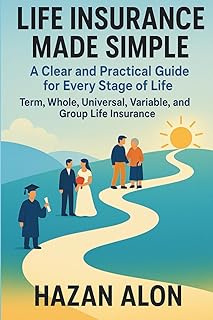
This is why MassMutual whole life insurance is often described as a “personal bank.” The book Life Insurance Made Simple: A Clear and Practical Guide for Every Stage of Life explains how policyholders can leverage cash value to supercharge their savings. With a 4.8-star rating and 34 reviews, it’s a top resource for beginners.
MassMutual Whole Life Dividends: How They Work and Boost Value
One of the most compelling reasons to choose MassMutual is its dividend history. Because MassMutual is a mutual company, it can return surplus earnings to policyholders. These dividends can be taken as cash, used to reduce premiums, left to earn interest, or used to purchase additional paid-up insurance.
Dividends are not guaranteed, but MassMutual has paid them every year since the 1860s. The dividend scale depends on the company’s investment returns, mortality experience, and expenses. Over time, reinvested dividends can significantly increase both the cash value and the death benefit.
For a deeper dive, read our detailed analysis: MassMutual Life Insurance Dividends: How They Work and Boost Value.
Integrating MassMutual Whole Life into Your Financial Plan
A well-rounded financial plan often includes a mix of term and permanent insurance. MassMutual whole life fits naturally when you have long-term objectives such as:
- Estate preservation: Whole life proceeds pass income-tax-free to beneficiaries and can help pay estate taxes.
- Retirement income: Policy loans can supplement Social Security and other retirement accounts.
- Business continuation: Key-person insurance and buy-sell agreements often use whole life policies.
- Funding special needs trusts: Permanent coverage ensures lifelong care for a disabled dependent.
When you combine MassMutual whole life with other financial planning services, you create a holistic strategy. Learn how in our guide: Combining MassMutual Life Insurance with Financial Planning Services.
Real-Life Examples: How the Wealthy Use Whole Life
Consider Sarah, a 40-year-old entrepreneur. She buys a $500,000 MassMutual whole life policy. Over 20 years, her cash value grows to $180,000 (assuming 5% average dividend crediting). She takes a loan of $100,000 to start a second business. The loan doesn’t count as income, and her policy continues to grow. If she dies before repaying, the death benefit is reduced by the loan balance, but her family still receives a substantial sum.
This strategy is common among high-net-worth individuals who want to maintain liquidity without selling assets. Several excellent books explore this concept:
- Life Insurance 101: The Basics of Life Insurance Explained (4.1 stars) – Buy at Amazon
- Life Insurance, 15th Ed. (4.2 stars) – a comprehensive textbook for professionals – Buy at Amazon
- Life and Health Insurance License Study Cards (4.3 stars) – great for agents wanting to master the product – Buy at Amazon
These resources can help you understand the mechanics and maximize the benefits of your MassMutual policy.
Comparison of Top Life Insurance Educational Resources
| Product | Price | Rating | Key Features | Buy at Amazon |
|---|---|---|---|---|
| Life Insurance Made Simple |
$34.99 | 4.8 | Clear, practical guide for all stages; 34 reviews | Buy Now |
 Life Insurance 101 Life Insurance 101 |
$14.95 | 4.1 | Concise basics, affordable; 8 reviews | Buy Now |
 Life Insurance, 15th Ed. Life Insurance, 15th Ed. |
$150.00 | 4.2 | In-depth college-level text; 19 reviews | Buy Now |
 License Study Cards License Study Cards |
$43.99 | 4.3 | Full-color cards for exam prep; 83 reviews | Buy Now |
MassMutual Term Life Insurance: A Complementary Option
While whole life is ideal for long-range goals, MassMutual term life insurance offers an affordable way to cover temporary risks. You might buy a 20-year term policy to protect your family while your children are young or while you pay off a mortgage.
Term policies from MassMutual are level-premium and convertible—meaning you can convert them to a permanent policy later without a new medical exam. This gives you flexibility. For a full breakdown, read MassMutual Term Life Insurance: Affordable Protection for a Set Period.
Many planners recommend a core of whole life supplemented by a term rider or separate term policy to meet total coverage needs at a lower cost.
Customer Satisfaction and Claims: Why MassMutual Stands Out
MassMutual consistently earns top marks from rating agencies like A.M. Best (A++), Moody’s (Aa3), and Standard & Poor’s (AA+). Its claims-paying ability is outstanding. In 2023, the company paid over $7 billion in life insurance claims.
Policyholders appreciate the stability and dividend performance. For candid reviews and claims process details, see MassMutual Life Insurance Reviews: Customer Satisfaction and Claims Process.
Frequently Asked Questions About MassMutual Whole Life Insurance
1. Is MassMutual whole life insurance a good investment?
Yes, for those seeking permanent protection combined with a conservative, tax-advantaged savings vehicle. It is not designed for market-beating returns but provides guaranteed growth and liquidity.
2. How are MassMutual dividends calculated?
Dividends are based on the company’s actual investment returns, mortality experience, and expenses. They are declared annually by the board and are not guaranteed.
3. Can I borrow against my whole life policy?
Absolutely. You can take policy loans at a competitive interest rate. Loans are not taxable and have no repayment schedule, though unpaid loans reduce the death benefit.
4. How does whole life compare to term life for young families?
Term life is more affordable for large death benefit needs. Whole life is better for permanent needs such as final expenses, estate planning, or building cash value. A combination often works best.
5. What happens if I stop paying premiums?
If you stop paying, the policy will lapse unless you have sufficient cash value to cover the premium through a nonforfeiture option (e.g., reduced paid-up insurance). Always consult your agent before surrendering.
6. Can I convert my MassMutual term policy to whole life?
Yes, MassMutual term policies are convertible. You can switch to a whole life policy without a new medical exam up to a certain age.
Final Thoughts: A Smart Foundation for Your Financial Future
MassMutual whole life insurance is not just a policy—it’s a strategic asset. Its permanent coverage, guaranteed cash value, and dividend potential make it a smart choice for anyone focused on long-term planning. Whether you use it to supplement retirement income, fund a child’s education, or leave a tax-free legacy, the flexibility is unmatched.
Start by evaluating your needs with a licensed agent. And remember: the sooner you begin, the more time your cash value has to grow. Invest in your future today with a policy that stands the test of time.