 Insurance Curator
Filing for bankruptcy or falling into serious delinquency can feel like a financial death sentence. You worry about ever renting an apartment, buying a car, or getting approved for a mortgage again. The truth is much brighter. While the damage is real, it is not permanent. Thousands of people rebuild their credit every year, and you can too.
The journey back to good credit requires a dual strategy. First, you must implement smart credit-building moves like secured cards and authorized user accounts. Second, you need a rock-solid budget to ensure you never miss a payment again. According to financial experts, consistent on-time payments account for 35% of your FICO score. Without a budget, even the best credit strategy will fail. That is why this guide dives deep into both the credit tactics and the practical budgeting tools that make recovery possible.
Understanding the Damage: How Bankruptcy and Delinquency Affect Your Credit Score
Before you can rebuild, you need to know what you are dealing with. Bankruptcy and serious delinquencies (90+ days late, collections, charge-offs) hit your credit report with brute force.
- Chapter 7 bankruptcy stays on your credit report for 10 years from the filing date.
- Chapter 13 bankruptcy remains for 7 years.
- Delinquencies (late payments) stay for 7 years from the original delinquency date.
- Collections and charge-offs also remain for 7 years.
A single 30-day late payment can drop a good credit score by 60 to 110 points. A bankruptcy often reduces scores by 200 points or more. However, the scoring impact fades over time. As the negative items age, their influence on your score diminishes. New positive payment history gradually overshadows the old mistakes.
The good news? Many lenders specialize in working with people who have experienced bankruptcy. Your goal is to demonstrate responsible financial behavior consistently. And that starts with controlling your cash flow.
The First Step: Assess Your Current Credit Situation
You cannot fix what you do not measure. Start by pulling your credit reports from all three major bureaus: Equifax, Experian, and TransUnion. You are entitled to one free report from each bureau every week at AnnualCreditReport.com until the end of 2024.
Review every entry closely. Look for errors like accounts that do not belong to you, incorrect balances, or bankruptcy entries that should have fallen off. Dispute any inaccuracies. Removing even one wrong negative mark can boost your score.
For more details on pulling reports safely, read How to Check Your Credit Score and Report Without Hurting It?.
Rebuilding After Bankruptcy: A Step-by-Step Plan
Once you know your starting point, implement this sequential strategy. Each step builds upon the last.
Secure a Secured Credit Card
Most unsecured cards will reject you after bankruptcy. A secured card requires a cash deposit (typically $200–$500) that becomes your credit limit. Use it for small purchases and pay the balance in full every month. After 6–12 months of on-time payments, many issuers will graduate you to an unsecured card and return your deposit.
Become an Authorized User
Ask a trusted family member or friend with good credit to add you as an authorized user on their credit card. You get a card, but you do not have to use it. Their positive payment history gets added to your credit report, boosting your score. Ensure the primary cardholder maintains excellent habits.
Get a Credit-Builder Loan
Credit unions and online lenders offer credit-builder loans. The lender holds the loan amount in an account while you make monthly payments. After the term ends (often 12 months), you get the money back, and your on-time payments are reported to the credit bureaus. This builds positive history without requiring you to have cash upfront.
Keep Old Accounts Open
If you have any accounts that survived bankruptcy (like a car loan you reaffirmed), keep them open. The age of your credit accounts for 15% of your FICO score. Older accounts with good standing help offset recent negatives.
Pay Everything On Time
Payment history is the single most important factor. Set up autopay for the minimum amount on every account. If you cannot automate, use calendar reminders. Miss one payment and you undo months of hard work.
For a deeper dive into fast improvement, see Proven Ways to Improve Your Credit Score in 90 Days.
The Role of Budgeting in Credit Recovery
Budgeting is the engine that drives your entire credit rebuilding plan. Without a clear picture of your income and expenses, you risk late fees, missed payments, and falling back into debt. After bankruptcy, you need a system that makes overspending almost impossible.
Why Budgeting Is Non-Negotiable
- It ensures you always have enough cash for minimum payments.
- It prevents the accumulation of new debt that could derail your progress.
- It helps you identify money leaks (subscriptions, dining out) that you can redirect toward savings or debt elimination.
- It gives you confidence and control, reducing financial anxiety.
Tools to Take Control
The best budgeting tool is the one you will use consistently. Many people find that a physical budget binder or planner works better than apps because it creates a tangible habit.
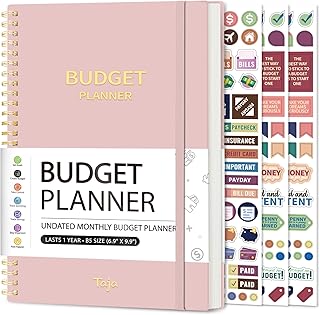
Budget Planner – Monthly Budget Book with Expense Tracker Notebook – This undated planner helps you organize bills, track expenses, and set financial goals. With a rating of 4.6 stars and a price under $9, it is an affordable way to build the budgeting muscle you need post-bankruptcy.
NICOOTH Budget Binder Cash Envelopes A6 Money Saving Binder – The cash envelope system is particularly effective for recovering credit. You withdraw cash for categories like groceries, gas, and entertainment. When the envelope is empty, you stop spending. This literally prevents overspending, which protects your payment history.

Another excellent option is the SKYDUE Budget Binder, which includes zipper envelopes and expense sheets to track every dollar. It has a perfect 4.7-star rating and costs less than $9.

If you prefer to learn the principles behind budgeting before diving in, the book Budgeting 101 by Michele Cagan explains everything from debt payoff strategies to building savings. It is a fantastic companion for your credit recovery journey.

| Product | Price | Rating | Best For |
|---|---|---|---|
| Budget Planner (Pink) | $8.99 | 4.6 | Monthly expense tracking and bill organization |
| NICOOTH Budget Binder | $6.28 | 4.6 | Cash envelope system to stop overspending |
| SKYDUE Budget Binder | $8.98 | 4.7 | Complete system with zippered envelopes |
| Budgeting 101 Book | $9.69 | 4.6 | Learning the fundamentals of budgeting |
Use whichever tool fits your style. The goal is the same: never miss a payment because you lost track of your money.
Managing Credit Utilization
Credit utilization – the amount of credit you use compared to your total available credit – makes up 30% of your FICO score. After bankruptcy, your credit limits will be low, making it easy to accidentally max out your cards.
Aim to keep your utilization under 30%, and ideally under 10%. For example, if your secured card has a $500 limit, never carry a balance above $150. Pay it off before the statement closing date so the low balance gets reported to the bureaus.
For a complete breakdown, read How Credit Utilization Works and Why It Can Make or Break Your Score?.
Dealing with Collections and Charge-Offs
If you have old collection accounts from before your bankruptcy, they should have been discharged in bankruptcy. Verify that creditors have updated your report to show a zero balance and “included in bankruptcy.” If they still show a balance, dispute with the credit bureau.
For delinquencies that occurred after bankruptcy but are now paid off, you can sometimes negotiate a “pay for delete” with the collection agency. However, bankruptcy filers should focus on the future – old negatives will age off eventually.
Learn exactly how these entries affect your scores in How Late Payments, Collections, and Defaults Actually Impact Credit Scores?.
Patience and Time: The Forgotten Variables
Your credit score will not jump back to 700 in three months. But here is the realistic trajectory:
- First 6 months after bankruptcy: Score may stay flat or improve only slightly. Focus on building the foundation – secured card, budget, on-time payments.
- 12 months: You should see a noticeable increase, often 50–100 points.
- 24 months: With consistent positive history, many people reach the high 600s or low 700s.
- 36–48 months: You may qualify for a conventional mortgage, especially if your bankruptcy was Chapter 13.
Time is your ally. Each month that passes, the bankruptcy becomes older and less impactful. Your new positive history becomes longer.
Common Pitfalls to Avoid
Recovering your credit requires discipline. Steer clear of these traps:
- Applying for too many cards at once: Each hard inquiry dings your score. Space applications six months apart.
- Closing old accounts: Even if you no longer use a card, closing it shortens your credit history and reduces your total available credit, raising your utilization.
- Missing a payment: One late payment can erase months of progress. Automate everything.
- Falling for credit repair scams: No one can legally remove accurate negative information. Save your money.
- Running up new debt: Bankruptcy gave you a fresh start. Do not waste it. Celebrate your freedom by living below your means.
Many people stay stuck because they believe myths about credit scoring. Debunk those myths in Credit Score Myths That Keep People Stuck with Bad Credit.
FAQ
How long does bankruptcy affect your credit score?
Chapter 7 bankruptcy remains on your credit report for 10 years. Chapter 13 stays for 7 years. However, the scoring impact lessens significantly after 2–3 years of positive payment history.
Can I get a mortgage after bankruptcy?
Yes. For an FHA loan, you typically need to wait 2 years after a Chapter 7 discharge and 1 year after a Chapter 13 filing (with court approval). Conventional loans require 4 years after a Chapter 7 discharge or 2 years after a Chapter 13 discharge.
Will my credit score go up automatically after bankruptcy?
No. You must actively rebuild by using secured cards, making on-time payments, and keeping low balances. The bankruptcy only removes your old debts; it does not build new credit.
What is the fastest way to rebuild credit after bankruptcy?
Get a secured credit card and use it for one small recurring bill each month. Pay the balance in full before the due date. Combine this with becoming an authorized user on a trusted person’s account with a long positive history.
Should I use a credit repair company?
Generally no. You can do everything they do for free. Dispute errors yourself, pay on time, and manage utilization. Credit repair companies often charge hundreds of dollars for tasks you can handle alone.
Your Recovery Starts Today
Bankruptcy and serious delinquency are not the end of your financial life. They are painful setbacks, but they teach invaluable lessons. With a disciplined budget and a smart credit strategy, you can rebuild your score and your confidence.
Start with your credit reports. Then grab a budget tool like the Budget Planner or the NICOOTH Budget Binder to keep your finances on track. Open a secured card, make every payment on time, and let time do the heavy lifting.
Your credit score is a marathon, not a sprint. But with the right plan, you will cross the finish line stronger than before.