 Insurance Curator
The way Brits buy life insurance has changed forever. No longer do you have to book a nurse visit, wait weeks for blood results, or sit through a broker’s sales pitch. Instant life cover – also called accelerated underwriting or no-exam life insurance – lets you get covered in minutes, entirely online. But is faster always better? Not for everyone.

This guide breaks down when instant policies are a smart move – and when traditional underwriting still wins. We’ll look at real data, UK-specific scenarios, and even how the wealthy use life insurance as a tax-free personal bank (a topic that’s explained in depth in the book Money. Wealth. Life Insurance., available on Amazon).
What Is Instant Life Cover?
Instant life cover uses algorithm-driven underwriting to approve you on the spot. Instead of a medical exam, you answer a few health questions. The insurer checks your digital footprint – prescription records, driving history, and sometimes wearables or open banking data.
Policies are typically term life insurance with cover amounts up to £500,000. You can apply from your sofa, on your phone, and get a decision in under 10 minutes. For a deeper look at the tech behind this, read our article on What Is Insurtech? How Digital Start-ups Are Reinventing Life Insurance in the UK.
Traditional Underwriting: The Old Way Still Has Merit
Traditional life insurance involves a full medical exam – blood tests, urine samples, height/weight checks – plus a detailed review of your medical history. It can take 4 to 8 weeks to get a decision.
The upside? More accurate risk assessment often leads to lower premiums for healthier people, and policies can be tailored for complex needs like diabetes or family history of heart disease.
When Fast Online Policies Make Sense
Instant life cover is a no-brainer in these situations:
- You’re young and healthy – no chronic conditions, non-smoker, active lifestyle.
- You need small-to-medium cover – typically under £500,000.
- Time is critical – you want cover before a holiday, a mortgage application, or a new job.
- You’re a freelancer or gig worker with irregular income – flexible, buy-when-you-need policies suit non-traditional careers. See Digital Life Insurance for Freelancers and Gig Workers: Flexible Cover for a Non-traditional Career.
- You hate paperwork and waiting – instant policies are fully mobile-first. Explore Mobile-first Life Insurance: How Apps Help You Adjust Cover, Nominate Beneficiaries and Track Policies.
Example: A 28-year-old London marketing professional with no health issues can get £250,000 level term cover for under £15/month in 5 minutes online. No nurse, no delays.
When Traditional Underwriting Is Better
Traditional underwriting shines when instant policies fall short:
- You need high cover – over £500,000 (most instant policies cap there).
- You have pre-existing conditions – diabetes, high blood pressure, mental health history, or a family history of cancer.
- You’re older – say, over 55. Instant rates can skyrocket; traditional underwriting may still offer competitive premiums.
- You want permanent or whole-of-life cover – most instant policies are term only.
- You value a broker’s expertise – navigating exclusions and hidden clauses requires a human touch. Compare routes in Insurtech vs High-street Broker: Which Route Works Best for UK Life Insurance Buyers?
City snapshot: In Birmingham, a 45-year-old with mild asthma might be declined by an instant insurer but accepted with a standard premium after a traditional assessment.
Key Differences at a Glance
| Factor | Instant Life Cover | Traditional Underwriting |
|---|---|---|
| Underwriting type | Algorithm-driven, no exam | Medical exam, blood/urine tests |
| Time to approval | Minutes to 24 hours | 2 to 8 weeks |
| Maximum cover | Usually £500,000 | Often £5M+ |
| Typical cost | Higher for older/risker applicants | Often lower for healthy, high-value cases |
| Best for | Healthy, young, urgent needs | Complex health, high sums, permanent cover |
| Flexibility | Limited product range | Wide range (term, whole, critical illness) |
| Support | Online only, chatbots | Broker or agent guidance |
A Balanced Approach: Hybrid Underwriting
More UK insurers now offer hybrid models. You start with instant approval for a basic term, then a traditional underwriting process kicks in if you need higher cover or have complications. Some even use open banking or fitness tracker data to lower your premium after a year of healthy behaviour.
London’s Fintech hub is driving this shift, but it’s spreading to Bristol, Manchester, and Edinburgh. For a deep dive into regional growth, see From London’s Tech Hub to Fintech Clusters Across the UK: the Regional Rise of Digital Life Insurance.
Smart Shopping: Read Before You Click
Before buying an instant policy, compare quotes from multiple providers and read the fine print. Some policies exclude common conditions like asthma or depression. Others have moratorium periods for pre-existing conditions.

A clear, practical guide like Life Insurance Made Simple (4.8 stars on Amazon) can help you understand policy terms. For safety tips, read Comparing Online Life Insurance Quotes Safely: Spotting Red Flags, Upsells and Hidden Exclusions.
Final Verdict: Which One Should You Choose?
| Your Profile | Recommended Route |
|---|---|
| Under 40, healthy, need <£300k | Instant life cover |
| Over 50, need >£1M cover | Traditional underwriting |
| Gig worker with variable income | Instant (flexible policies) |
| Have a chronic condition (e.g., diabetes) | Traditional (specialist insurer) |
| Want cover before a mortgage completion | Instant (if health allows) |
| Value low cost above all | Compare both – traditional often cheaper for healthy |
Two Must-Read Books on Amazon
-
– How the Wealthy Use Life Insurance as a Tax-Free Personal Bank (4.6 stars, $8.95). Perfect for UK readers wanting to leverage cash-value policies.
-
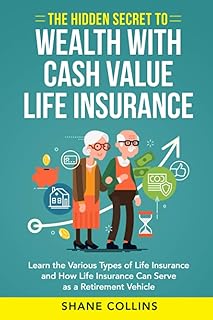 – Learn how life insurance can serve as a retirement vehicle (4.5 stars, $7.99).
The Bottom Line
Instant life cover is a fantastic innovation for straightforward needs – fast, convenient, and transparent. But if you have health complexities, need large sums, or want permanent protection, traditional underwriting still delivers better value and peace of mind.
Before you decide, read up on Algorithm-driven Life Insurance Pricing: How Data and AI Decide Your Premiums to understand what the computer sees when you click “apply”.
Choose wisely. Your family’s financial future depends on it.