 Insurance Curator
Choosing life insurance in the UK can feel overwhelming. Between term, whole of life, and over 50s plans, each option serves a different purpose. This guide cuts through the jargon to help you compare them at a glance.
Whether you are protecting a mortgage in Manchester, leaving a legacy in London, or covering funeral costs in Glasgow, understanding these core differences is essential. Let’s break down each type with real-world clarity.
What You Need to Know Before You Compare
Life insurance is not one-size-fits-all. Your age, health, budget, and dependants dictate the best choice. Term life insurance covers you for a set period. Whole of life covers you until you die. Over 50s plans guarantee acceptance but come with limited payouts.
For a deeper look at policy jargon, check out our Life Insurance Jargon Buster: Key UK Policy Terms Translated into Plain English.
Term Life Insurance: Simple Protection for a Fixed Period
Term life insurance is the most popular and affordable type in the UK. You choose a fixed term – often 10, 20, or 30 years – and if you die within that term, your beneficiaries receive a lump sum.
Who it suits: Young families, homeowners with mortgages, or anyone with a short-term financial commitment.
Key features:
- No payout if you survive the term
- Level term – payout stays the same throughout
- Decreasing term – payout drops in line with a repayment mortgage
Learn more about the two main structures in our dedicated guide: Level Term vs Decreasing Term Life Insurance: Which Structure Fits Your Financial Plan?.
Typical costs: A healthy 30-year-old can get £200,000 of cover for less than £15 per month. Premiums are fixed for the term.
If you want a clear, step-by-step understanding of term insurance, the book Life Insurance Made Simple: A Clear and Practical Guide for Every Stage of Life (⭐⭐⭐⭐⭐ 4.8) is an excellent resource. It covers everything from application to payout.

Whole of Life Insurance: Guaranteed Payout, Higher Premiums
Whole of life insurance pays out whenever you die – as long as you keep paying premiums. There is no fixed term, so it guarantees a payout eventually.
Who it suits: People who want to leave a guaranteed inheritance, cover inheritance tax, or pay for funeral costs regardless of timing.
Key features:
- Lifetime cover – no end date
- Cash value component – some policies build a savings element (known as “with-profits”)
- Higher monthly cost – often 5–10 times more than term for the same sum assured
Typical costs: A non-smoker aged 50 might pay £80–£120 per month for £50,000 of cover. Premiums can be reviewable or review-proof.
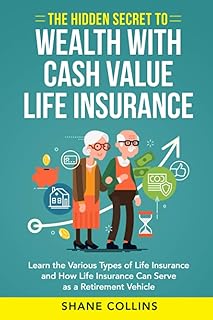
Whole of life policies are complicated, and understanding the investment side is crucial. The book The Hidden Secret to Wealth with Cash Value Life Insurance (⭐⭐⭐⭐½ 4.5) explains how the wealthy use life insurance as a tax-efficient savings vehicle.
For a full breakdown of when paying more makes sense, read Whole of Life Insurance Demystified: When Paying More Makes Long-term Sense.
Over 50s Life Insurance: Guaranteed Acceptance, But Is It Good Value?
Over 50s life insurance is designed for people aged 50 to 80 who may not qualify for term or whole of life due to health conditions. Acceptance is guaranteed – no medical questions.
Who it suits: Older adults who want a simple way to cover funeral costs or leave a small gift.
Key features:
- No health checks – even with serious illnesses
- Fixed premiums for life
- Limited payout – often capped at £10,000–£20,000
- Waiting period – usually 12–24 months before full cover kicks in
Typical costs: A 55-year-old paying £30 per month may get only £3,000–£5,000 of cover. Over time, you could pay in more than the payout.
Is it good value? In many cases, no – especially if you live past average life expectancy. But for someone who has been declined elsewhere, it may be the only option.
Our detailed guide Over 50s Life Insurance in the UK: Guaranteed Acceptance, but Is It Good Value? weighs the pros and cons for different UK cities.
Term vs Whole of Life vs Over 50s: At-a-Glance Comparison
| Feature | Term Life Insurance | Whole of Life Insurance | Over 50s Life Insurance |
|---|---|---|---|
| Cover period | Fixed term (10–30 years) | Lifetime | Lifetime |
| Payout guarantee | Only if you die during term | Always (if premiums paid) | Always (after waiting period) |
| Typical monthly cost | Low (£10–£30) | Medium to high (£50–£200+) | Moderate (£20–£50) |
| Medical underwriting | Full health questions | Full health questions | None – guaranteed acceptance |
| Cash value / investment | None | Some policies have it | None |
| Best for | Mortgage, family protection | Inheritance, tax planning | Funeral costs, easy acceptance |
How to Choose the Right Type for Your Situation
Ask yourself three questions:
-
Why do you need life insurance?
- Protect a debt or dependants → Term
- Leave a guaranteed legacy → Whole of life
- Cover funeral costs with no health checks → Over 50s
-
What is your budget?
- Tight budget → Term life is the cheapest.
- Steady income → Whole of life offers long‑term certainty.
- Limited cash → Over 50s may feel affordable but check value.
-
Do you have health issues?
- Healthy → Term or whole of life give best rates.
- Health problems → Over 50s is practically the only route.
For further reading on how underwriting works, see How Underwriting Works for UK Life Insurance: from Application to Final Decision?.
Real Books to Deepen Your Understanding
If you want to master life insurance as a financial tool, these resources offer expert insights:
- Money. Wealth. Life Insurance.: How the Wealthy Use Life Insurance as a Tax-Free Personal Bank to Supercharge Their Savings – ⭐ 4.6 – Perfect for understanding the investment side.
- How the Wealthy Would Grow YOUR Money – ⭐ 5.0 – A beginner’s guide for building wealth through life insurance.
Both are available on Amazon and provide real‑world strategies that go beyond the basics.
Final Thoughts: Pick the Cover That Matches Your Life Stage
There is no single “best” life insurance in the UK. Term suits young families, whole of life works for long-term planning, and over 50s is a safety net for older applicants.
Always compare quotes and read the small print. And if you are covering a family, consider our guide on Family Life Insurance Policies in the UK: How to Protect Partners and Children Properly.
Make your choice with confidence – and protect the people who matter most.