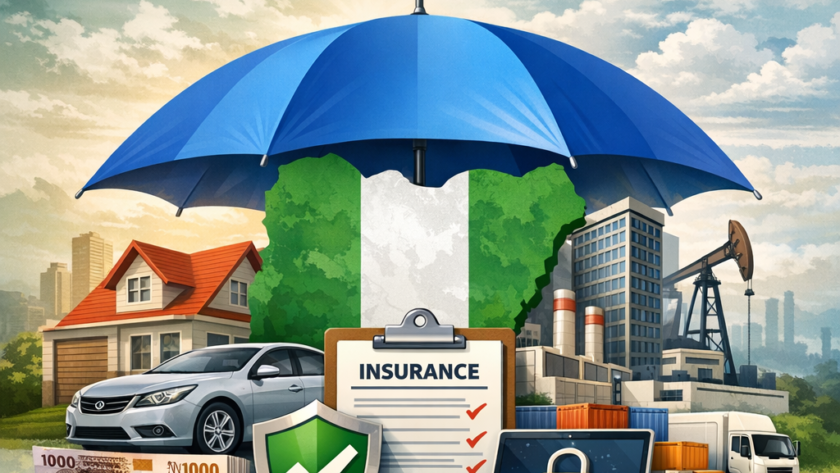
 Insurance Curator
 Understanding the Need for Protection in Nigeria
In Nigeria’s dynamic and often unpredictable economic environment, the value of hard-earned assets cannot be overstated. From the bustling markets of Lagos to the industrial hubs of Kano and Port Harcourt, individuals and entrepreneurs face a unique set of risks, including fire outbreaks, flash floods, theft, and civil unrest. Without a safety net, a single unfortunate event can wipe out years of savings and hard work.
Insurance serves as that critical safety net. It is a risk management tool that transfers the financial burden of a loss from an individual or business to an insurance company. By paying a relatively small premium, Nigerians can secure their future against catastrophic financial losses.
Safeguarding Your Personal Assets
For many Nigerians, personal assets like cars, homes, and electronic gadgets represent significant life milestones. Insurance ensures that these achievements are preserved regardless of what happens.
Comprehensive Motor Insurance
While Third-Party Motor Insurance is a legal requirement in Nigeria, Comprehensive Insurance offers much more. It protects your vehicle against theft, vandalism, fire, and accidental damage. Given the high rate of road accidents and the rising cost of spare parts, this policy ensures you aren’t left stranded or financially drained after a collision.
Home and Property Insurance
Your home is likely your most valuable asset. Homeowners’ insurance protects the structure and the contents within—such as furniture and electronics—from risks like fire, burglary, and natural disasters. For tenants, “All Risk” policies can cover personal belongings, providing peace of mind in a volatile environment.
Life and Health Insurance
Personal protection isn’t just about physical objects; it’s about the people. Life insurance ensures that your family maintains their standard of living if the breadwinner is no longer there. Meanwhile, health insurance through various HMOs prevents a medical emergency from depleting your personal wealth.
Securing Your Business Assets
Small and Medium Enterprises (SMEs) are the backbone of the Nigerian economy, yet they are the most vulnerable to shocks. Business insurance is essential for long-term sustainability and growth.
- Fire and Special Perils: Market fires are a recurring tragedy in Nigeria. This policy covers the destruction of shops, warehouses, and office buildings caused by fire, lightning, or explosions.
- Goods in Transit: Nigeria’s logistics sector faces challenges ranging from poor road conditions to hijacking. Goods in Transit insurance protects wholesalers and retailers from losses incurred while moving inventory from the port to the warehouse or to the end consumer.
- Public Liability: This protects your business if a third party suffers an injury or property damage within your business premises. It is vital for businesses that host customers daily, such as restaurants, gyms, and retail stores.
The Strategic Advantage of Insurance
Beyond simple protection, insurance offers a strategic advantage in the Nigerian market. For businesses, having valid insurance policies often makes it easier to access credit facilities from commercial banks, as it proves that the collateral is protected. For individuals, it fosters a culture of disciplined savings and long-term financial planning.
In conclusion, insurance in Nigeria is not merely an additional expense; it is a foundational pillar of financial security. By proactively choosing the right policies, you ensure that your personal milestones and business investments remain resilient in the face of uncertainty.